
Invertebrate · GBIF taxon 2228010
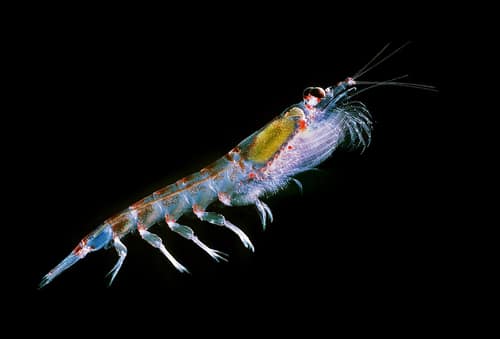
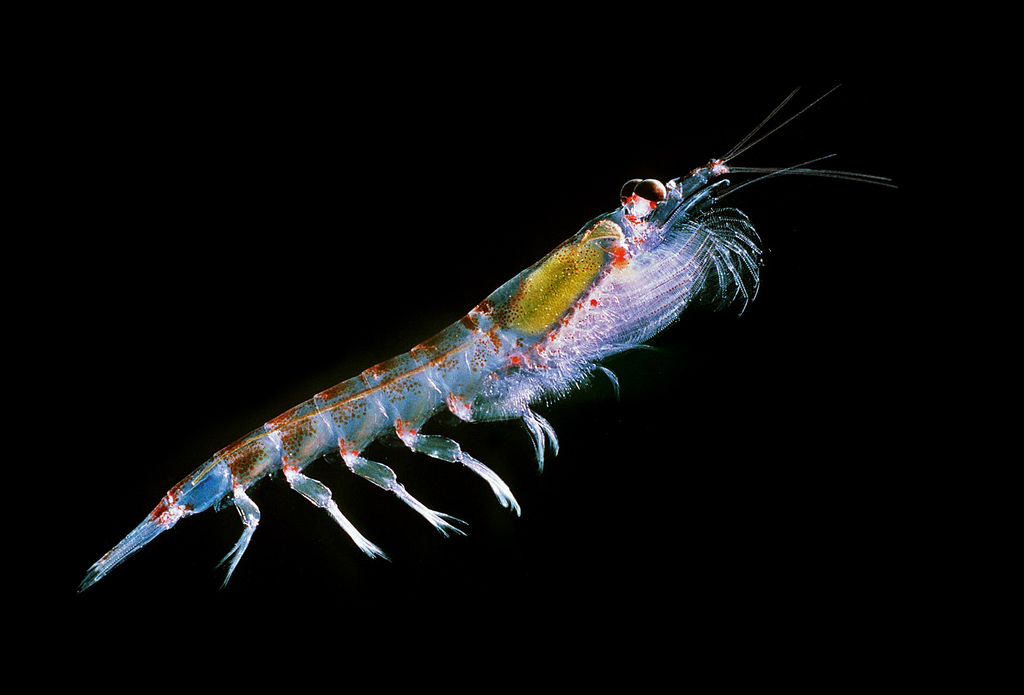
Antarctic Krill
Euphausia superbaAlso known as Southern Krill
Antarctic krill form vast bioluminescent swarms that can span dozens of square kilometers and tint the icy Southern Ocean reddish-pink. These tiny crustaceans act as the primary biological bridge in the polar food web, grazing on microscopic diatoms and ice algae to fuel apex predators from seals to giant baleen whales. During winter months when surface plankton disappears, larvae and adults sink into deeper water or scrape algae from the undersides of sea ice to survive.
BioluminescentPelagicKeystone Species
—observations
—countries
—peak records
Least ConcernConservation statusIUCN Red List categoriesLCNTVUENCREWEXLeast ConcernRed List categories, explained →
Diet & prey
- Diatoms
- Phytoplankton
- Ice Algae
Predators
- Blue Whale
- Adélie Penguin
- Crabeater Seal
ThreatsSea ice loss, ocean acidification, and commercial harvesting
HabitatsOpen ocean and sea ice margins of the Southern Ocean
Life span5–6 years
Size / weightNot available
Classification
- FamilyEuphausiidae
- SpeciesEuphausia superba
Range data is not available yet.
Interaction riskLow
- Low
- Moderate
- High
- Very high
- Why interaction risk is low
- Safe to observe at a normal distance.
Responsible observation
- Swarm Observation: Look for dense reddish clouds near the sea surface or beneath pack ice during polar expeditions.
- Night Glow: Watch beneath dark waters to spot subtle yellow-green bioluminescent flashes emitted by swarming individuals.
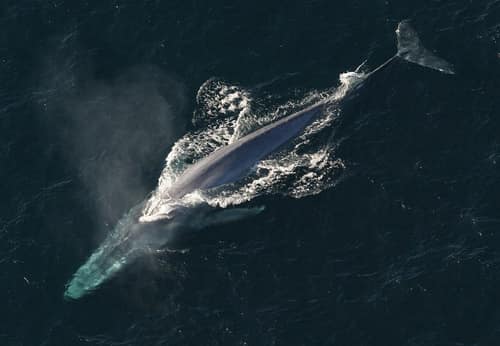
Predator NOAA / Public Domain (NOAA) · Public Domain (NOAA)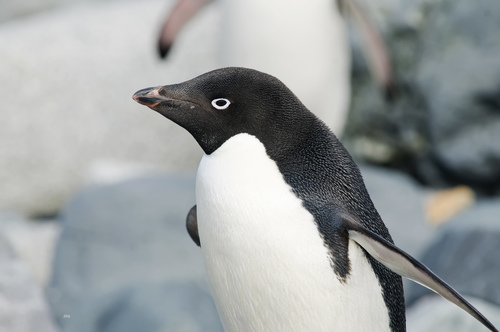
Predator (c) Seig, some rights reserved (CC BY), uploaded by Seig · cc-by Image unavailable
Close Relative 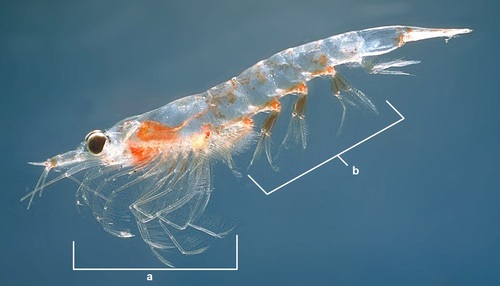
Close Relative (c) Øystein Paulsen, some rights reserved (CC BY-SA) · cc-by-sa
Help improve the field guideSomething wrong?
Checking your Fauna account…Report a name, category, or profile issue for review.