
Invertebrate
Sally Lightfoot Crab
Grapsus grapsusAlso known as Red Rock Crab
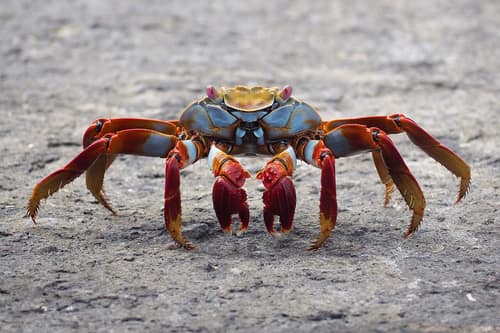
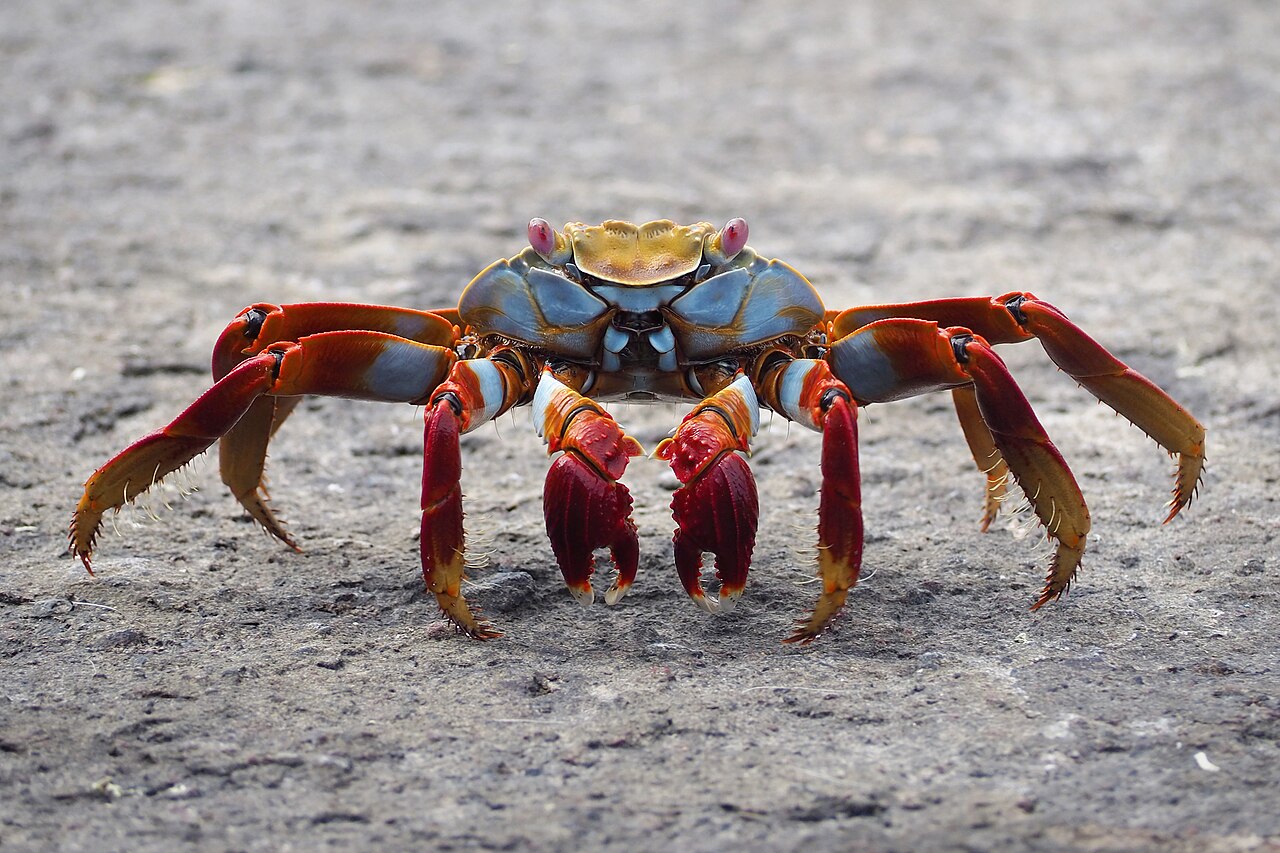
Sally Lightfoot crabs scurry across exposed volcanic rocks with astonishing agility, utilizing specialized clinging claws and jointed legs that allow rapid leaps across crashing surf. Adults sport brilliant carmine-red carapaces with yellow and sky-blue markings, while camouflaged juveniles remain charcoal black to evade shorebirds. Along the Galapagos coast, they form a famous mutualism with marine iguanas, picking parasitic ticks directly from the reptiles' scaly skin.
CrustaceanIntertidalColorful
—observations
—countries
—peak records
Not EvaluatedConservation statusIUCN Red List categoriesLCNTVUENCREWEXNot Evaluated — not placed on the risk ladderRed List categories, explained →
Diet & preyRed Algae, Marine Carrion, Ticks
Predators
- Lava Heron
- Moray Eel
- Yellow-crowned Night Heron
ThreatsCoastal pollution, plastic waste ingestion, and extreme weather events like El Niño
HabitatsRocky intertidal shorelines, wave-swept basalt ledges, and tidal splash zones
Life span5–10 years
Classification
- FamilyGrapsidae
- SpeciesGrapsus grapsus
Range data is not available yet.
Interaction riskLow
- Low
- Moderate
- High
- Very high
- Why interaction risk is low
- Safe to observe at a normal distance.
Responsible observation
- Approach slowly: Step gently along the tide line because sudden movement sends them scattering into deep rock fissures.
- Watch the waves: Always keep an eye on incoming breakers while observing crabs on slippery intertidal shelves.
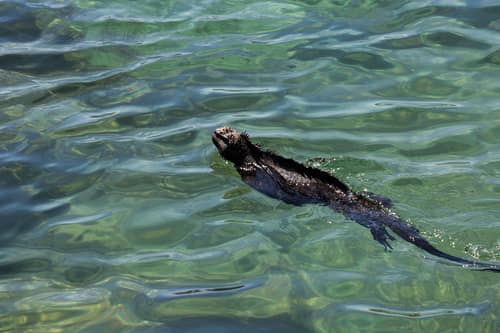
Symbiont (c) patrickc, some rights reserved (CC BY), uploaded by patrickc · cc-by Image unavailable
Look-alike Predator 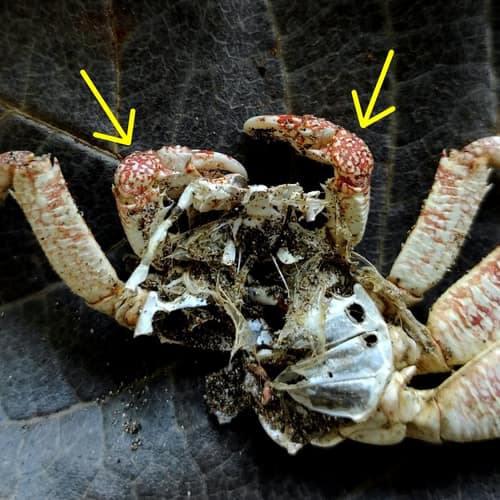
Same Genus (c) Abu Hamas, some rights reserved (CC BY-SA), uploaded by Abu Hamas · cc-by-sa
Help improve the field guideSomething wrong?
Checking your Fauna account…Report a name, category, or profile issue for review.