
Invertebrate
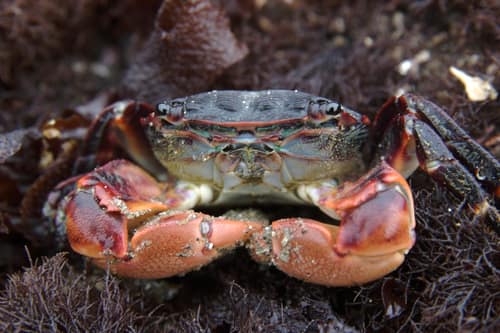
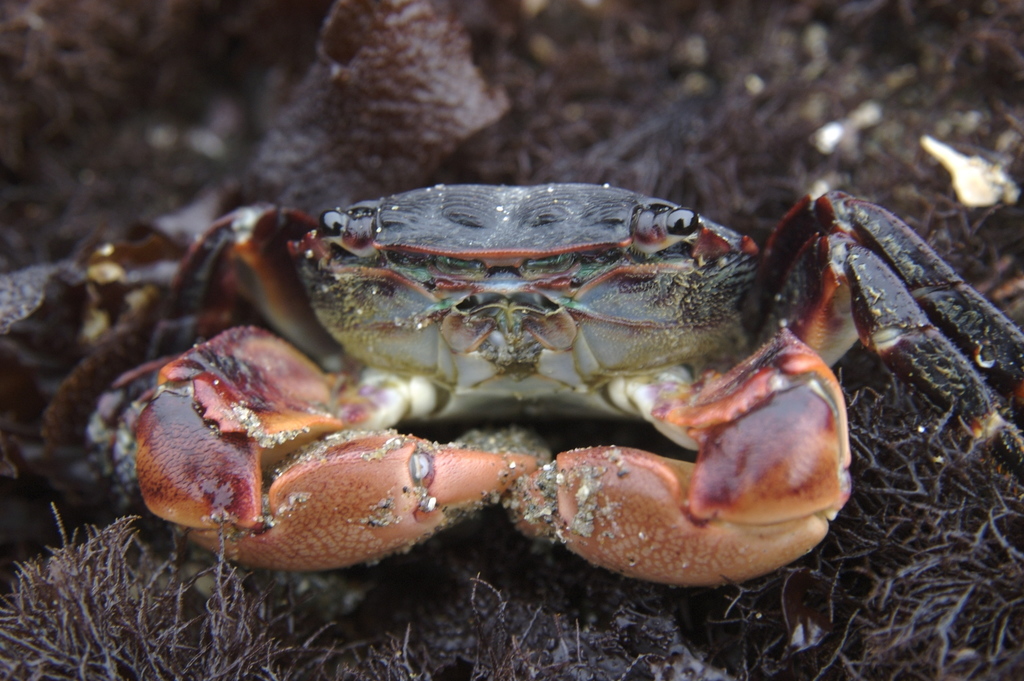
Striped Shore Crab
Pachygrapsus crassipesAlso known as Lined Shore Crab
Striped shore crabs dominate the rocky intertidal zones of the Pacific coast, spending half their lives out of water actively foraging on algal turf and small invertebrates. They maintain body moisture by frequenting damp rock crevices and returning periodically to tide pools to flush their gill chambers. Highly territorial and energetic, they engage in spirited claw-waving displays to defend favored retreat crevices from neighbors.
IntertidalCrustaceanSemi-terrestrial
—observations
—countries
—peak records
Not EvaluatedConservation statusIUCN Red List categoriesLCNTVUENCREWEXNot Evaluated — not placed on the risk ladderRed List categories, explained →
Diet & preyGreen Algae, Acorn Barnacles, Limpets
Predators
- Glaucous-winged Gull
- East Pacific Red Octopus
- Raccoon
ThreatsOcean acidification, coastal pollution, oil spills, and habitat disruption
HabitatsRocky intertidal shores, tide pools, salt marshes, and hard mudflats
Life span3–5 years
Classification
- OrderDecapoda
- FamilyGrapsidae
- GenusPachygrapsus
- SpeciesPachygrapsus crassipes
Range data is not available yet.
Interaction riskLow
- Low
- Moderate
- High
- Very high
- Why interaction risk is low
- Pincers can deliver a sharp pinch if handled; observe quietly in tide pools.
Responsible observation
- Tide Pool Spotting: Search crevices and under loose rocks during low tide where they seek shelter.
- Observe Behavior: Watch them scrape algae off rocks with their reddish-purple pincers.
- Gentle Observation: Avoid picking them up to prevent stressful claw pinches and damage to their limbs.
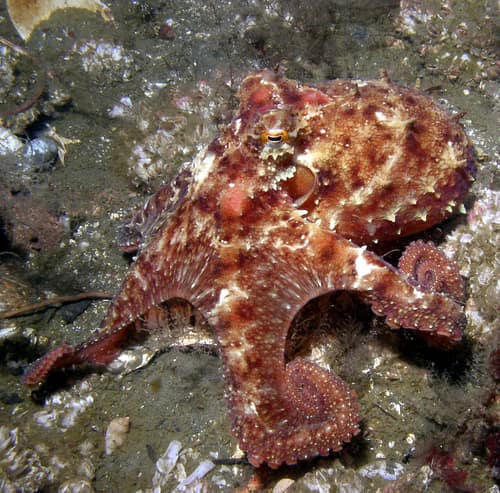
Predator Original uploader was Taollan82 at en.wikipedia / CC BY-SA 3.0 · cc-by-sa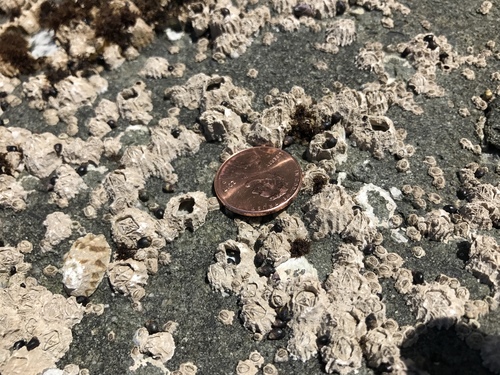
Prey (c) Nelson Balcar, some rights reserved (CC BY), uploaded by Nelson Balcar · cc-by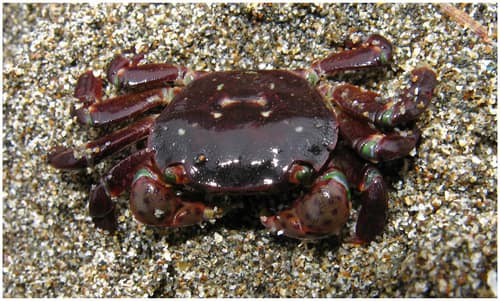
Close Relative (c) Dan Hershman, some rights reserved (CC BY) · cc-by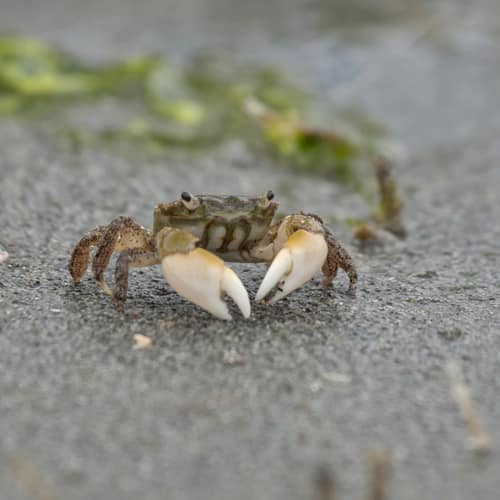
Close Relative (c) Micah Carrick, some rights reserved (CC BY), uploaded by Micah Carrick · cc-by
Keep collecting in Fauna
Found in Collections
Species set Pro
Shore Life
Striped Shore Crab is found in this collection. Identify it in Fauna to fill this slot and continue your progress.
Unlock to track progress
Help improve the field guideSomething wrong?
Checking your Fauna account…Report a name, category, or profile issue for review.