
Invertebrate
Anemone Hermit Crab
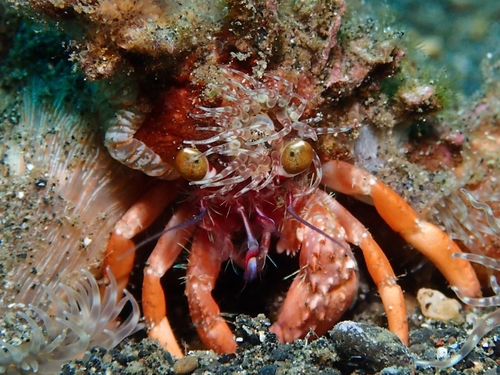
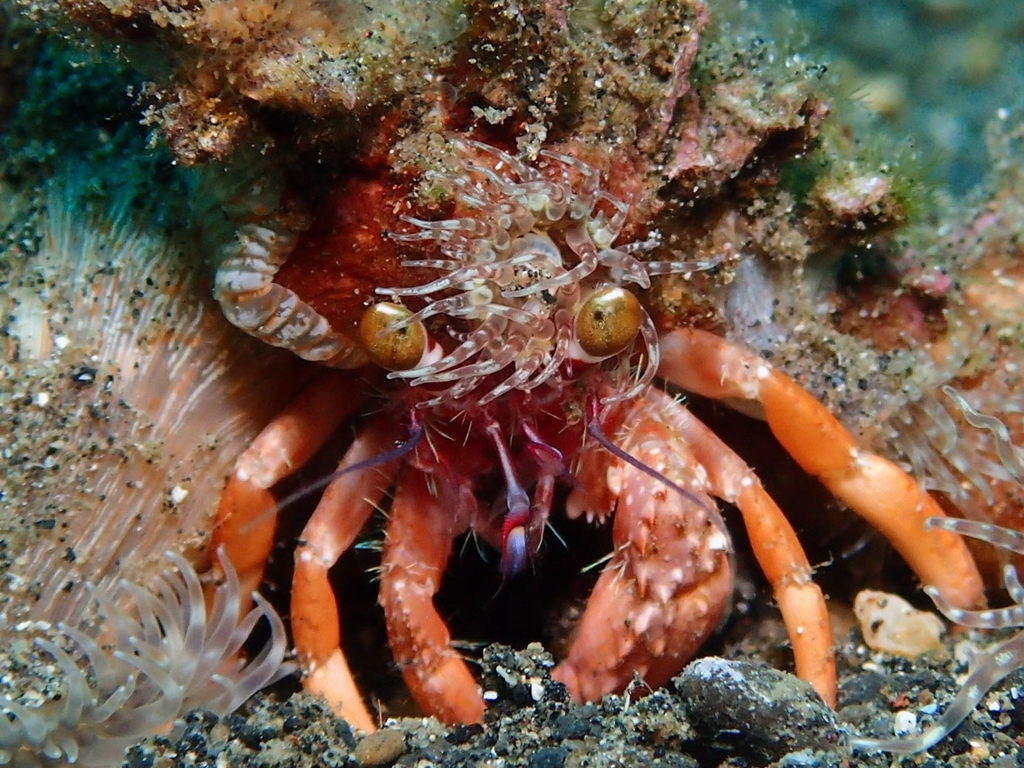
Dardanus pedunculatusAnemone hermit crabs actively recruit stinging sea anemones onto their borrowed gastropod shells, tapping and stroking the anemones until they release their grip and transfer over. When outgrowing a shell, the crab carefully moves each anemone onto its new home so its living armor stays intact. Most active at dusk and night, these left-handed crabs patrol Indo-Pacific coral rubble and sandy lagoons with a noticeably larger left claw used to block the shell entrance.
MarineSymbioticNocturnal
—observations
—countries
—peak records
Not EvaluatedConservation statusIUCN Red List categoriesLCNTVUENCREWEXNot Evaluated — not placed on the risk ladderRed List categories, explained →
Diet & preyDetritus and carrion, Marine algae, Polychaete worms
Predators
- Octopuses
- Triggerfish
- Pufferfish
ThreatsMarine aquarium trade collection, coral reef degradation, and coastal pollution
HabitatsIndo-Pacific coral reefs, sandy flats, seagrass beds, and lagoons to 27 m deep
Life span5–10 years
Classification
- OrderDecapoda
- FamilyDiogenidae
- GenusDardanus
- SpeciesDardanus pedunculatus
Range data is not available yet.
Interaction riskLow
- Low
- Moderate
- High
- Very high
- Why interaction risk is low
- Safe to observe at a normal distance; avoid handling, as it may pinch and its anemones can cause mild stings.
Responsible observation
- Observe Hands-Off: Watch from a short distance while snorkeling or diving without touching the crab or its anemones.
- Leave Empty Shells: Avoid collecting empty gastropod shells from beaches and reefs, as hermit crabs depend on them for shelter.
- Check Dusk Flats: Look along sandy reef margins at twilight when crabs emerge from daytime hiding spots to forage.
 Image unavailable
Symbiont 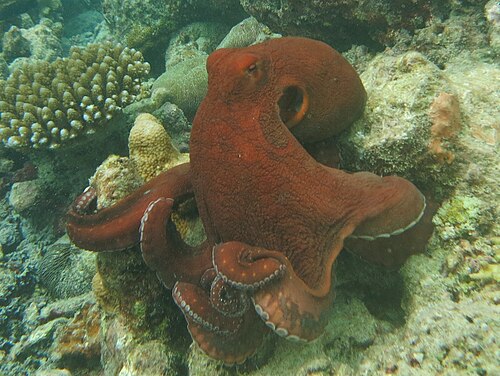
Predator Ahmed Abdul Rahman / CC BY-SA 4.0 · cc-by-sa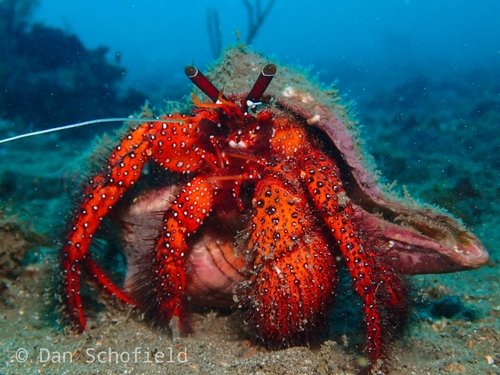
Close Relative (c) Dan Schofield, some rights reserved (CC BY), uploaded by Dan Schofield · cc-by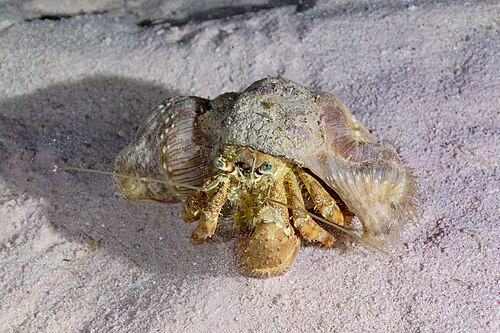
Close Relative Diego Delso / CC BY-SA 4.0 · cc-by-sa
Help improve the field guideSomething wrong?
Checking your Fauna account…Report a name, category, or profile issue for review.