
Invertebrate · GBIF taxon 2224231
Common Hermit Crab
Pagurus bernhardusAlso known as Soldier Crab, European Hermit Crab, Atlantic Hermit Crab
Common hermit crabs protect their soft, coiled abdomens by taking shelter inside empty gastropod shells, swapping into larger homes as they grow. The right pincer grows significantly larger than the left, acting as a secure reddish-orange door when the crab retreats inside its shell. Smaller juveniles populate intertidal rock pools along European coasts, while large adults wander deeper offshore waters, scavenging carrion and filtering plankton.
IntertidalScavengerCrustacean
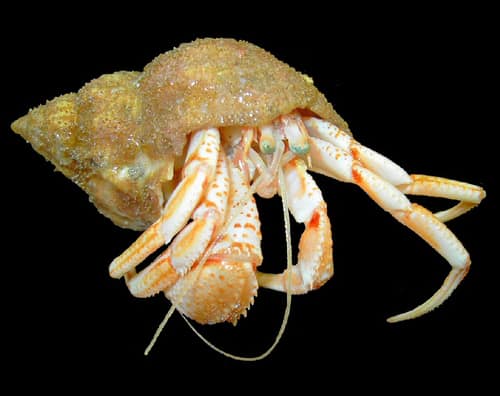
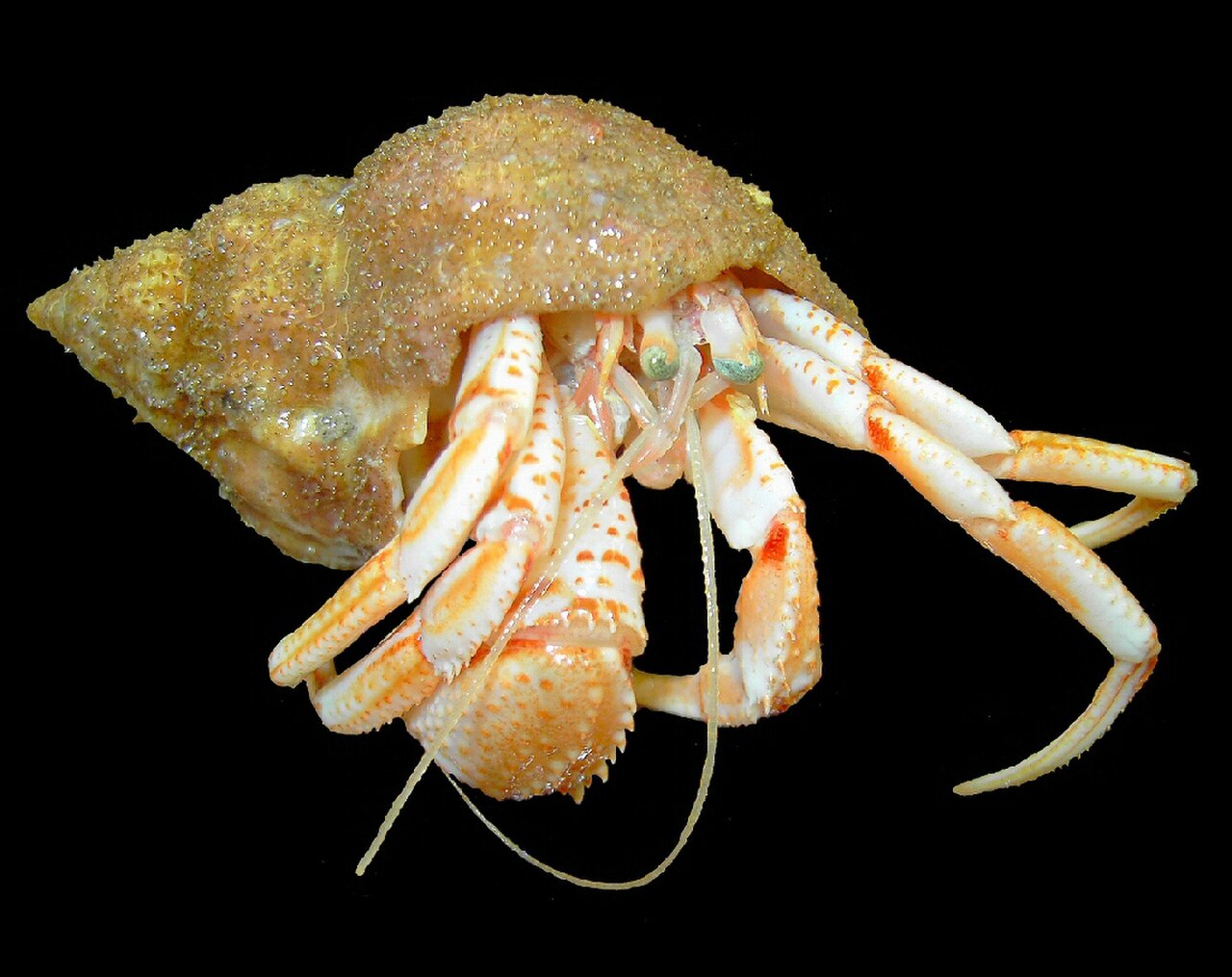
—observations
—countries
—peak records
Not EvaluatedConservation statusIUCN Red List categoriesLCNTVUENCREWEXNot Evaluated — not placed on the risk ladderRed List categories, explained →
Diet & prey
- Carrion
- Algae
- Plankton
Predators
- Seagulls
- Atlantic Cod
- Shore Crabs
ThreatsCoastal pollution, loss of shell resources, climate change
HabitatsIntertidal rock pools, sandy and rocky sea floors
Life span10–20 years
Classification
- FamilyPaguridae
- SpeciesPagurus bernhardus
Range data is not available yet.
Interaction riskLow
- Low
- Moderate
- High
- Very high
- Why interaction risk is low
- Pincers can pinch if handled; observe undisturbed in tide pools.
Responsible observation
- Tide Pool Watching: Crouch low beside quiet rock pools and remain still until crabs emerge from shelter.
- Shell Inspection: Look closely at moving snail shells to spot the asymmetrical reddish-orange pincers.
- Water Handling: Keep crabs submerged if observing briefly, as dry air rapidly stresses their delicate gills.
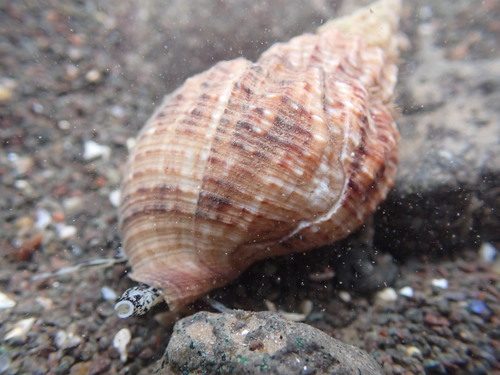
Shell Source (c) Ian Manning, some rights reserved (CC BY) · cc-by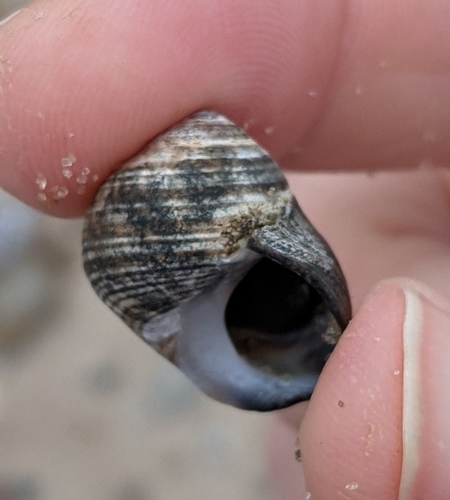
Shell Source (c) Jessica Utrup, some rights reserved (CC BY), uploaded by Jessica Utrup · cc-by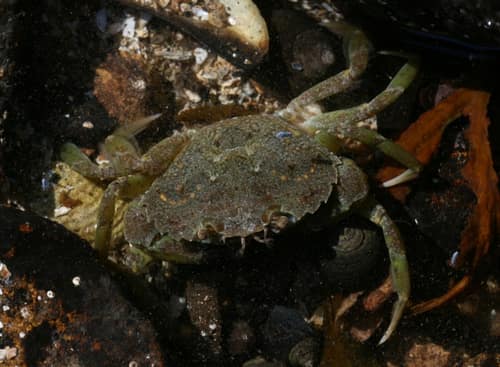
Competitor (c) Sandy Rae, some rights reserved (CC BY) · cc-by Image unavailable
Close Relative
Help improve the field guideSomething wrong?
Checking your Fauna account…Report a name, category, or profile issue for review.