
Invertebrate · GBIF taxon 2221646
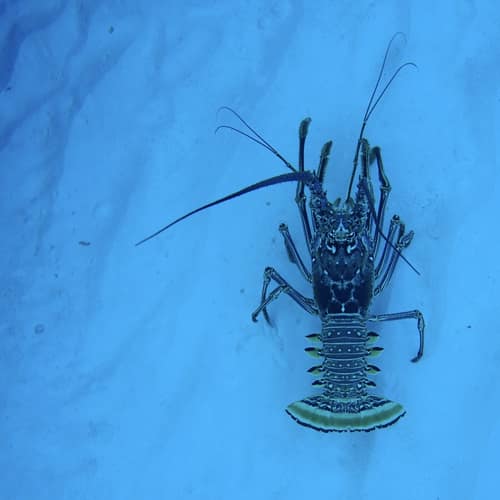
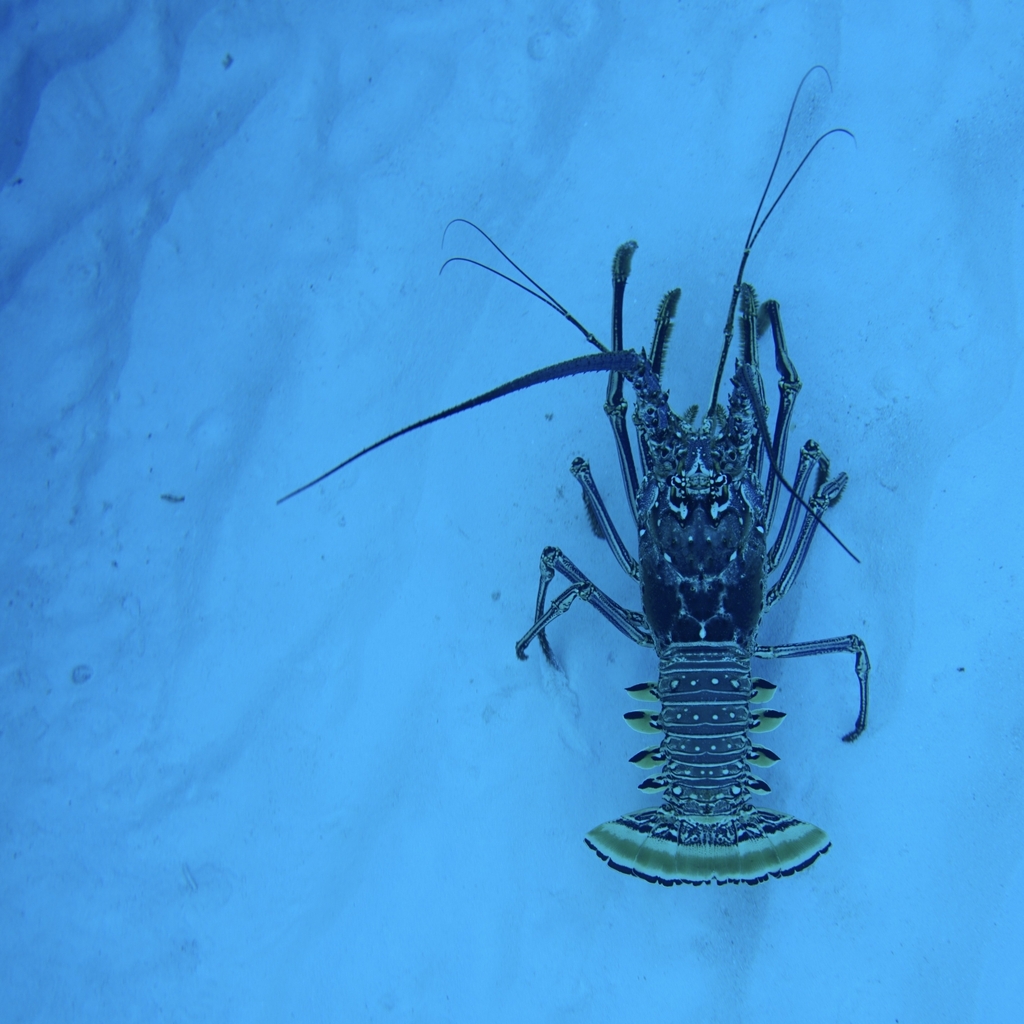
Caribbean Spiny Lobster
Panulirus argusAlso known as Florida Spiny Lobster, West Indian Spiny Lobster, Bermuda Spiny Lobster
Caribbean spiny lobsters navigate coral reefs and seagrass beds at night using long, sensitive antennae to explore their surroundings and detect predators. During seasonal autumn storms, hundreds of individuals gather to march in single-file queues across the open seafloor toward deeper water. Lacking large crushing claws, they rely on a heavily armored, spiky carapace and powerful backward tail flips to escape danger.
NocturnalCrustaceanReef Dweller
 1 / 7
1 / 7—observations
—countries
—peak records
Data DeficientConservation statusIUCN Red List categoriesLCNTVUENCREWEXData Deficient — not placed on the risk ladderRed List categories, explained →
Diet & prey
- Snails
- Clams
- Sea Urchins
Predators
- Nurse Shark
- Goliath Grouper
- Caribbean Reef Octopus
ThreatsOverfishing, habitat degradation, coastal pollution, and viral infections
HabitatsCoral reefs, seagrass beds, mangrove roots, and rocky crevices
Life span15–20 years
Size / weightNot available
Classification
- FamilyPalinuridae
- SpeciesPanulirus argus
Range data is not available yet.
Interaction riskLow
- Low
- Moderate
- High
- Very high
- Why interaction risk is low
- Sharp carapace spines and tail flippers can cause cuts if handled; observe without touching.
- Why it is dangerous
- Sharp, forward-pointing carapace spines and rapid tail thrusts can cause deep cuts or puncture wounds if handled.
- How to recognize a risky encounter
- Recognized by its yellowish-brown mottled body, dark tail spots, and long whip-like antennae without front claws.
- What to do
- Maintain a respectful distance underwater and avoid grabbing individuals from reef crevices.
Responsible observation
- Night Spotting: Scan reef ledges after dusk to see long antennae extending from crevices.
- Safe Distance: Do not reach into dark holes, as sharp spines can inflict severe scrapes.
- Autumn Queues: Watch for long single-file migrations over sandy flats following early winter storms.
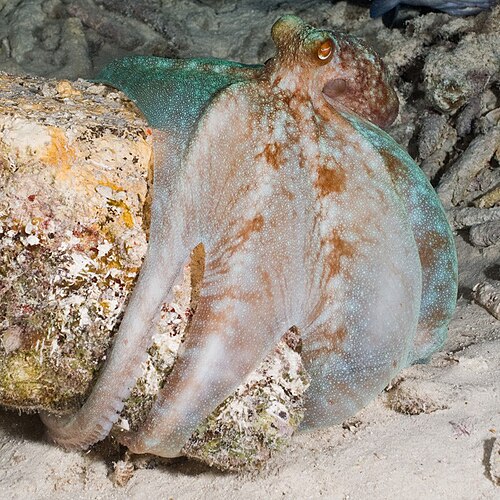
Predator Alessandro Dona - I created this work entirely by myself. / CC BY-SA 3.0 · cc-by-sa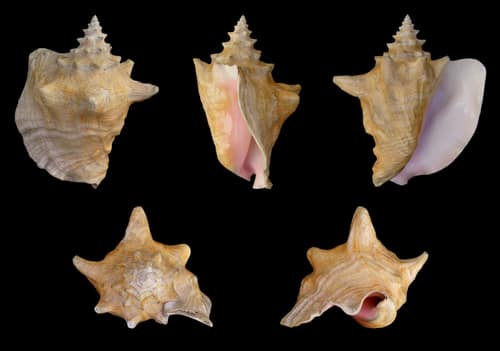
Frequent Companion (c) H. Zell, some rights reserved (CC BY-SA) · cc-by-sa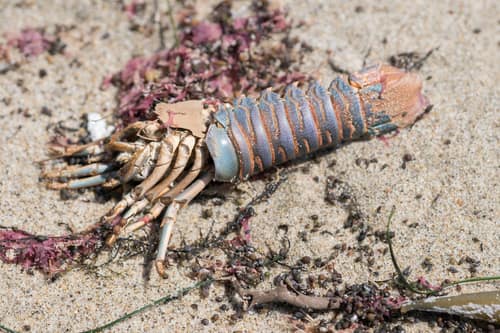
Close Relative no rights reserved, uploaded by Jesse Rorabaugh · cc0 Image unavailable
Close Relative
Help improve the field guideSomething wrong?
Checking your Fauna account…Report a name, category, or profile issue for review.