
Arachnid
Varroa Mite
Varroa destructorVarroa mites are flattened, reddish-brown parasites that slip inside honey bee brood cells just before they are capped, laying eggs that hatch and feed alongside the developing bee pupa. By piercing the cuticle of both pupae and adult bees to consume nutrient-rich fat body tissue, these mites weaken bee immunity and transmit devastating pathogens such as Deformed Wing Virus. Originally restricted to Asian honey bees, Varroa destructor jumped hosts to western honey bees and spread globally, becoming the primary driver of managed and feral colony losses worldwide.
ParasiticHive PestMinute
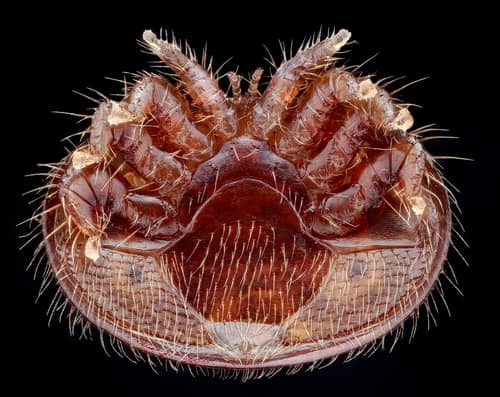
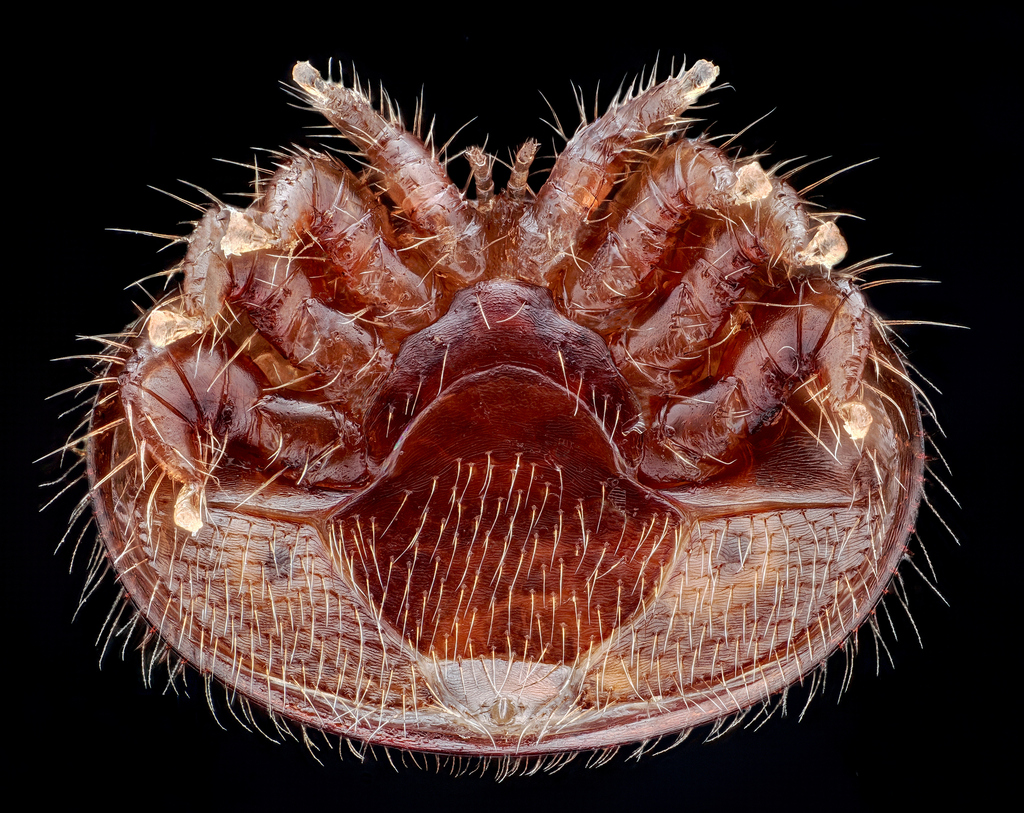
—observations
—countries
—peak records
Not EvaluatedConservation statusIUCN Red List categoriesLCNTVUENCREWEXNot Evaluated — not placed on the risk ladderRed List categories, explained →
Diet & preyWestern Honey Bee, Asian Honey Bee
Predators
- Asian Honey Bee
- Pseudoscorpions
ThreatsBeekeeping miticides, hygienic bee breeding, and brood-break management
HabitatsManaged and feral honey bee colonies across most of the world
Life span2 to 3 months in summer; up to 5 to 8 months overwintering on adult bees
Classification
- OrderMesostigmata
- FamilyVarroidae
- GenusVarroa
- SpeciesVarroa destructor
Range data is not available yet.
Interaction riskLow
- Low
- Moderate
- High
- Very high
- Why interaction risk is low
- Safe to observe at a normal distance; poses no direct risk to humans or pets.
Responsible observation
- Hive Inspection: Look for tiny reddish-brown oval specks clinging between abdominal segments of adult bees or on white pupae.
- Brood Check: Inspect capped drone brood cells, which female mites strongly prefer over worker cells for reproduction.
- Biosecurity: Avoid moving combs or equipment between apiaries without monitoring and managing mite levels first.
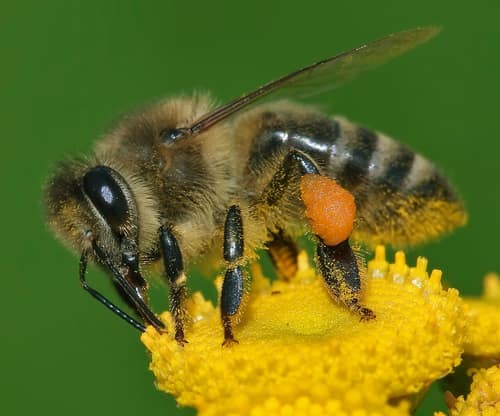
Primary Host Andreas Trepte / CC BY-SA 2.5 · cc-by-sa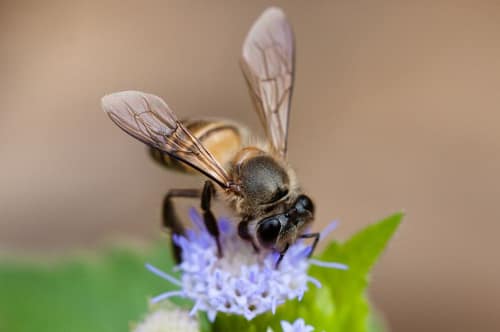
Original Host Rushenb / CC BY-SA 3.0 · cc-by-sa Image unavailable
Competitor Competitor Close Relative
Help improve the field guideSomething wrong?
Checking your Fauna account…Report a name, category, or profile issue for review.