
Arachnid
Brown Dog Tick
Rhipicephalus sanguineusAlso known as Kennel Tick, Pantropical Dog Tick
Brown dog ticks are unusual among hard ticks for their ability to complete their entire lifecycle inside human dwellings and dog kennels. Females lay thousands of eggs in wall cracks and floor crevices after feeding heavily on canine hosts, leading to rapid indoor infestations. Beyond causing anemia and discomfort in dogs, they serve as significant vectors for canine ehrlichiosis and Rocky Mountain spotted fever.
ParasiteArachnidDisease Vector
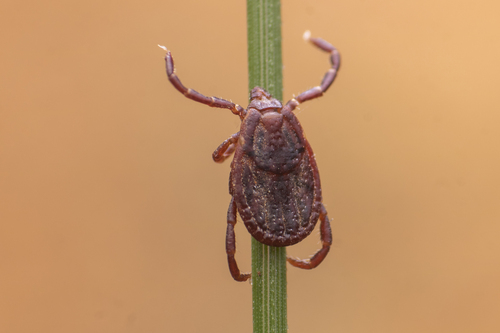
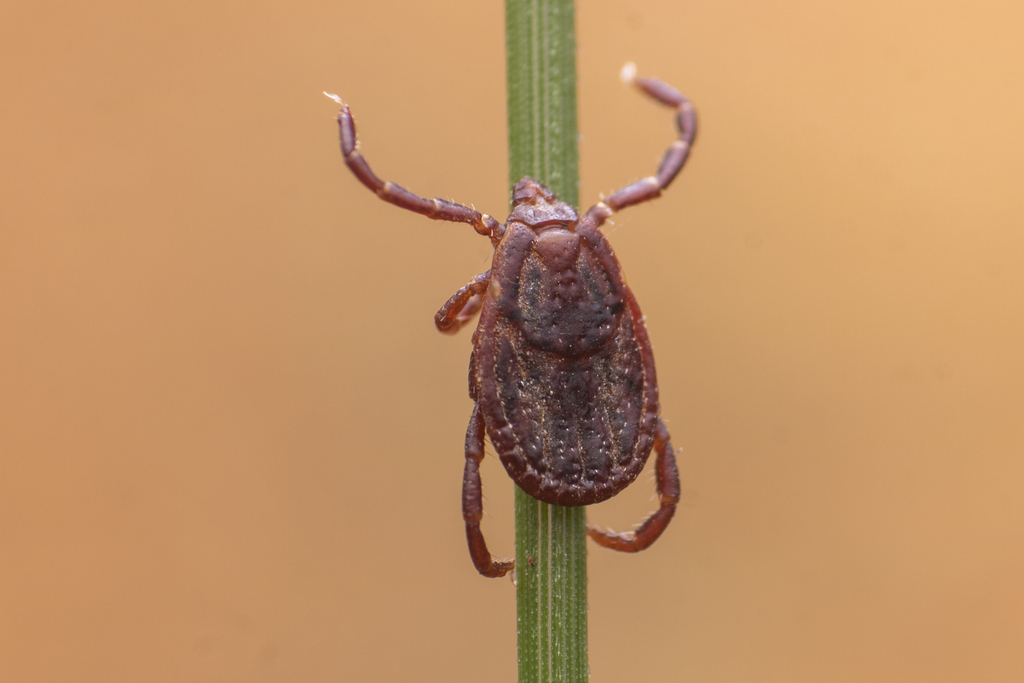
—observations
—countries
—peak records
Not EvaluatedConservation statusIUCN Red List categoriesLCNTVUENCREWEXNot Evaluated — not placed on the risk ladderRed List categories, explained →
Diet & preyDog blood, Human blood, Rodent blood
Predators
- Birds
- Ants
- Spiders
ThreatsAcaricides, pest control treatments, and host grooming
HabitatsHomes, kennels, dog runs, and warm sheltered cracks
Life span1–2 years
Classification
- OrderIxodida
- FamilyIxodidae
- GenusRhipicephalus
- SpeciesRhipicephalus sanguineus
Range data is not available yet.
Interaction riskModerate
- Low
- Moderate
- High
- Very high
- Why interaction risk is moderate
- Transmits serious diseases to dogs and humans; inspect pets regularly and consult a veterinarian for tick control.
- Why it is dangerous
- Transmits bacterial pathogens like Rickettsia rickettsii and Ehrlichia canis, causing severe illness in dogs and humans.
- How to recognize a risky encounter
- Small, reddish-brown teardrop body without pale dorsal markings, often found crawling on dog bedding or baseboards.
- What to do
- Remove attached ticks promptly using fine-tipped tweezers by pulling straight out, then sanitize the bite area.
Responsible observation
- Pet Inspection: Check behind ears, between toes, and along the neck of dogs after outdoor walks.
- Tick Removal: Grasp the tick near the skin with fine tweezers and pull straight out without twisting.
- Infestation Control: Vacuum rugs and wash pet bedding frequently at high temperatures.
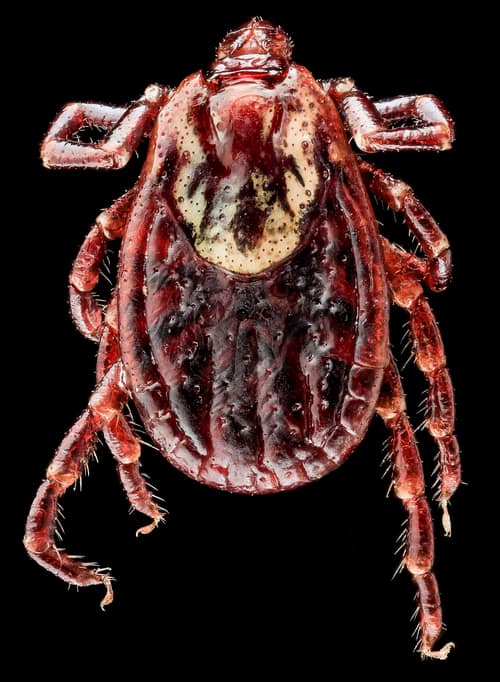
Close Relative Sam Droege / CC BY 2.0 · cc-by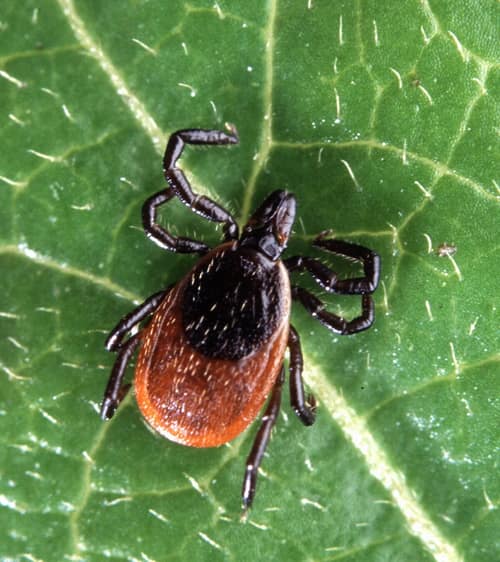
Close Relative Photo by Scott Bauer. / Public domain · cc0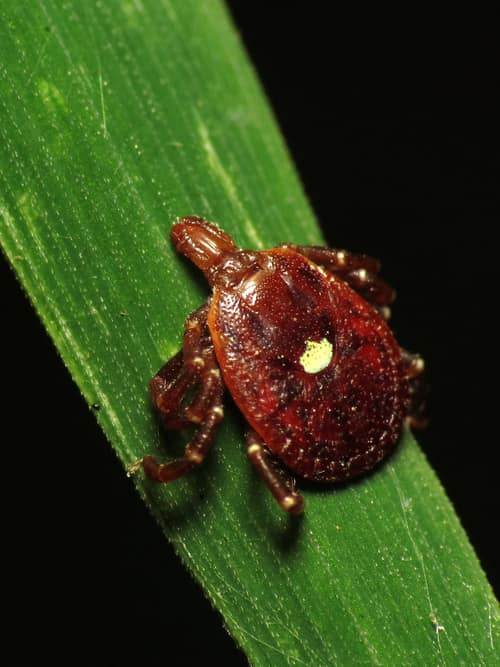
Close Relative (c) Katja Schulz, some rights reserved (CC BY) · cc-by
Help improve the field guideSomething wrong?
Checking your Fauna account…Report a name, category, or profile issue for review.