
Arachnid · GBIF taxon 2182588
Castor Bean Tick
Ixodes ricinusAlso known as Sheep Tick, European Castor Bean Tick, Wood Tick
Castor bean ticks spend most of their multi-year lives hidden in leaf litter, emerging to climb vegetation and perform questing behavior with outstretched forelegs to snag passing hosts. Larvae, nymphs, and adults each require a single prolonged blood meal from different vertebrate hosts to molt and reproduce. Their painless bites make them inconspicuous parasites capable of carrying and transmitting diverse bacterial and viral pathogens.
ParasiteBlood-feedingWoodland
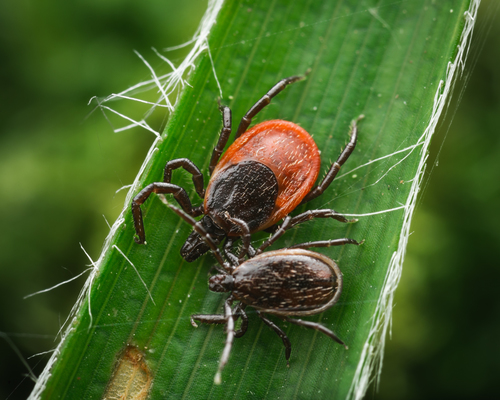
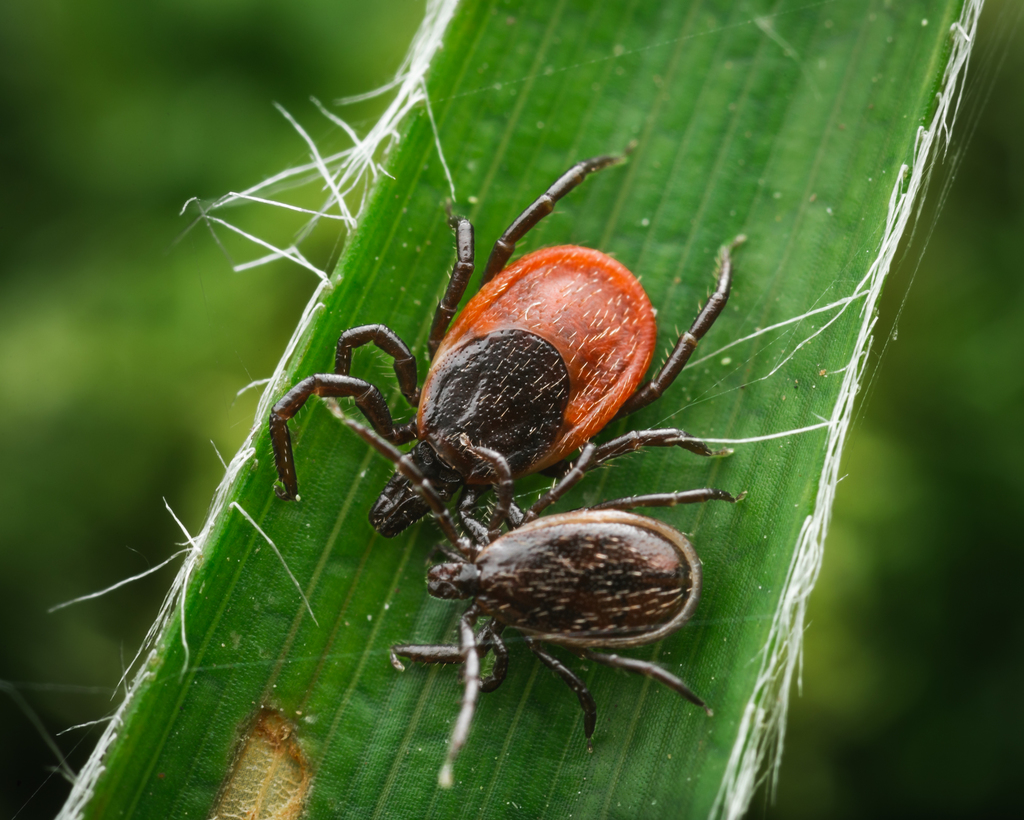 1 / 7
1 / 7—observations
—countries
—peak records
Not EvaluatedConservation statusIUCN Red List categoriesLCNTVUENCREWEXNot Evaluated — not placed on the risk ladderRed List categories, explained →
Diet & prey
- Mammalian blood
- Avian blood
- Reptilian blood
Predators
- Ground-foraging birds
- Shrews
- Parasitoid wasps
ThreatsDesiccation during prolonged droughts and loss of woodland understory
HabitatsDeciduous and mixed woodlands, heathlands, pastures, and overgrown meadows
Life span2–3 years
Size / weightNot available
Classification
- OrderIxodida
- FamilyIxodidae
- GenusIxodes
- SpeciesIxodes ricinus
Range data is not available yet.
Interaction riskModerate
- Low
- Moderate
- High
- Very high
- Why interaction risk is moderate
- Transmits Lyme disease and tick-borne encephalitis; check skin and gear thoroughly after outdoor activity.
- Why it is dangerous
- Bites can transmit Borrelia burgdorferi and tick-borne encephalitis virus, which cause severe inflammatory, cardiac, and neurological disease.
- How to recognize a risky encounter
- Look for a tiny, flattened arachnid with eight legs and a dark scutum that swells into a gray, oval sac after feeding.
- What to do
- Check skin and clothing after traversing tall grass; remove embedded ticks immediately using tweezers rather than petroleum jelly or heat.
Responsible observation
- Preventative wear: Tuck trousers into socks and wear light-colored clothing to spot crawling ticks easily.
- Safe removal: Use fine-tipped tweezers to grasp the tick close to the skin and pull steadily upward without twisting.

Host "Ree bok - Roe deer male" by Arend Vermazeren is licensed under CC BY 2.0. To view a copy of this license, visit https://creativecommons.org/licenses/by/2.0/. · cc-by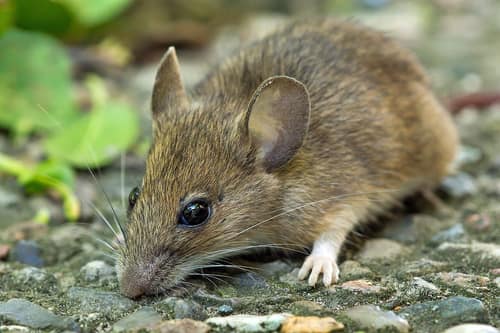
Host Christian Fischer / CC BY-SA 4.0 · cc-by-sa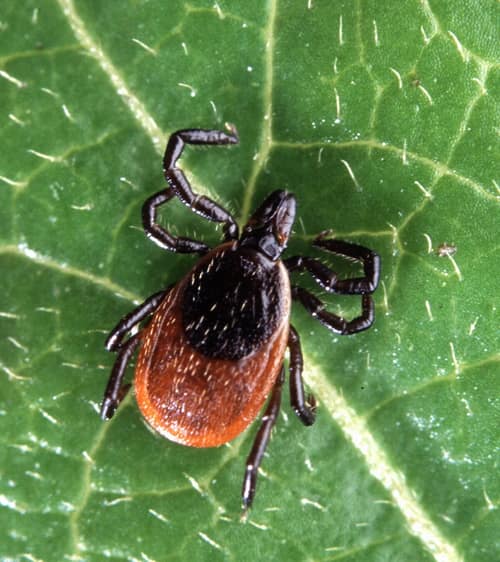
Close Relative Photo by Scott Bauer. / Public domain · cc0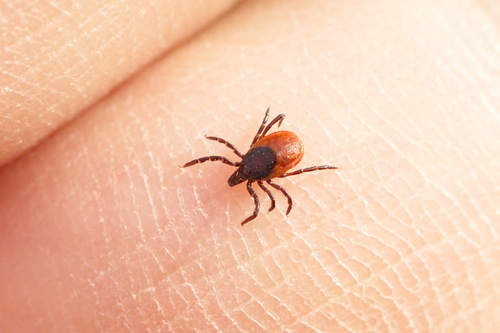
Close Relative (c) Вячеслав Юсупов, some rights reserved (CC BY), uploaded by Вячеслав Юсупов · cc-by
Help improve the field guideSomething wrong?
Checking your Fauna account…Report a name, category, or profile issue for review.