
Arachnid
Eastern White-tail Spider
Lampona murinaAlso known as Eastern White-tailed Spider, White-tailed Spider
Eastern white-tail spiders are agile, active night hunters that roam leaf litter, bark crevices, and house interiors without spinning capture webs. Instead of ambushing winged prey, they specialize in hunting other spiders, sneaking directly into alien webs and using specialized claw tufts to seize residents. Despite persistent urban folklore regarding necrotic ulcers, extensive clinical studies demonstrate their bite causes only localized pain, swelling, and mild irritation.
NocturnalHunterPredatory
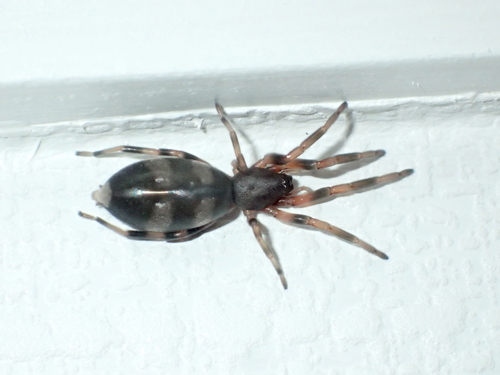
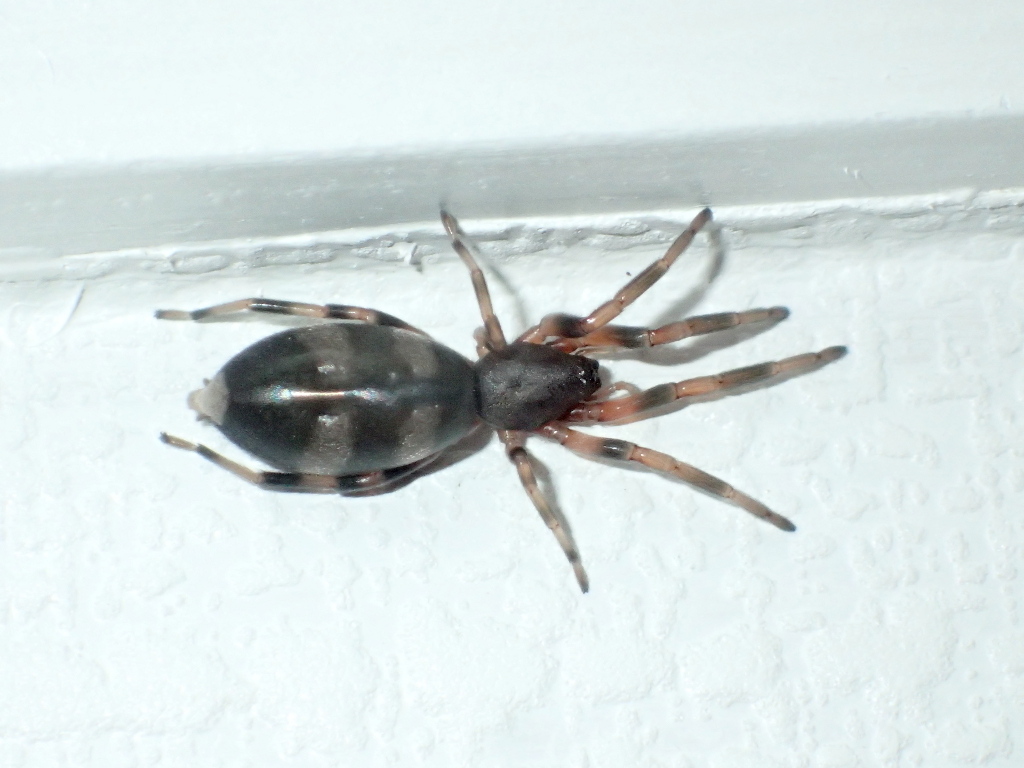
—observations
—countries
—peak records
Not EvaluatedConservation statusIUCN Red List categoriesLCNTVUENCREWEXNot Evaluated — not placed on the risk ladderRed List categories, explained →
Diet & preyBlack house spiders, Daddy long-legs spiders, Orb-weaving spiders
Predators
- Birds
- Skinks
- Centipedes
ThreatsPesticide application and widespread human extermination indoors
HabitatsEucalypt forests, woodland leaf litter, gardens, and human dwellings
Life span1–2 years
Classification
- OrderAraneae
- FamilyLamponidae
- GenusLampona
- SpeciesLampona murina
Range data is not available yet.
Interaction riskVery high
- Low
- Moderate
- High
- Very high
- Why interaction risk is very high
- Safe to observe at a normal distance; bites may cause mild stinging pain if trapped against skin.
Responsible observation
- Check Bedding: Shake out folded linen, towels, and shoes left on floors where wanderers often hide.
- Container Relocation: Trap indoor roamers safely under a transparent cup and slide card beneath to release outdoors.
- Garden Observation: Inspect peeling bark on eucalypts by flashlight after dark to spot them stalking prey.
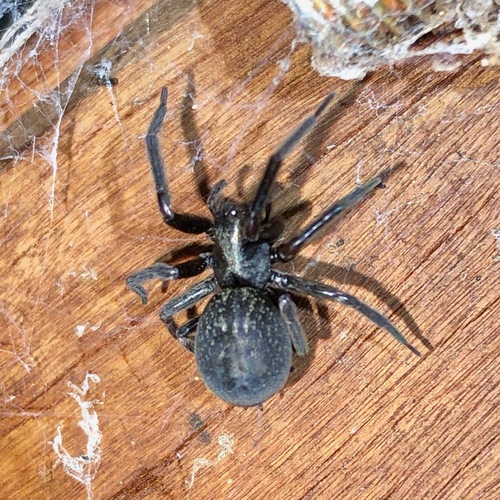
Prey (c) James K. Douch, some rights reserved (CC BY-SA) · cc-by-sa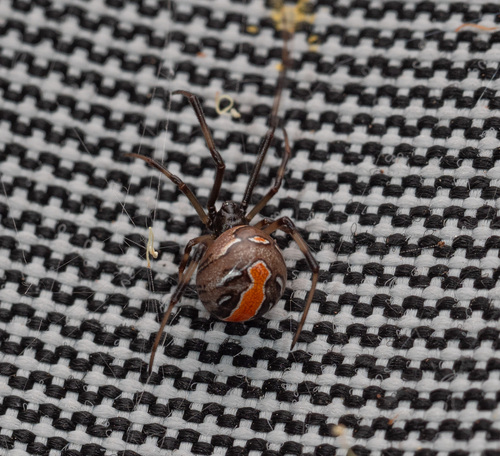
Prey (c) Paul Whitington, some rights reserved (CC BY), uploaded by Paul Whitington · cc-by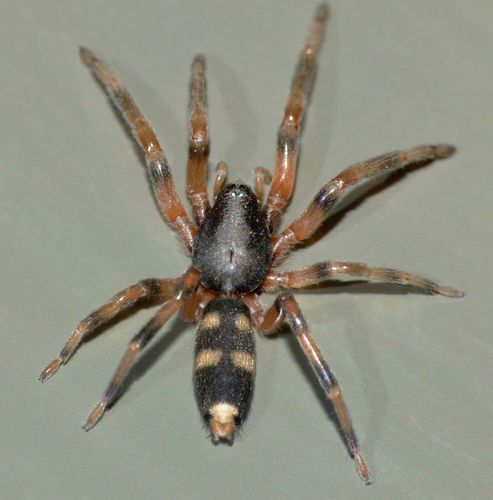
Close Relative (c) Steve Kerr, some rights reserved (CC BY), uploaded by Steve Kerr · cc-by
Help improve the field guideSomething wrong?
Checking your Fauna account…Report a name, category, or profile issue for review.