
Arachnid · GBIF taxon 2159209
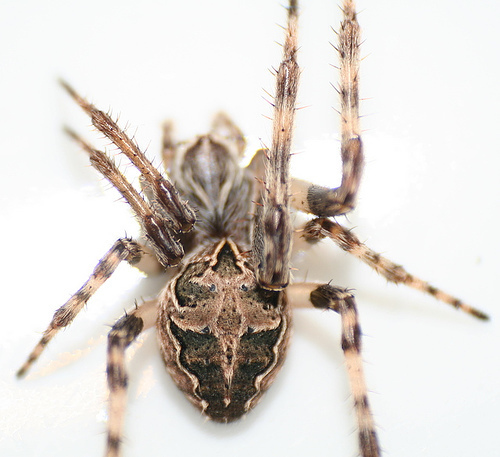
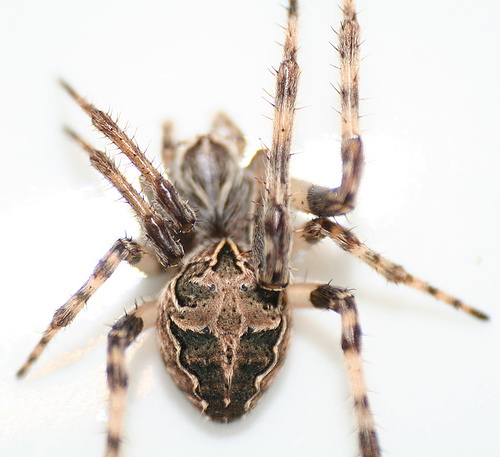
Grey Cross Spider
Larinioides sclopetariusAlso known as Bridge Spider, Gray Cross Spider, Bridge Orb Weaver
Grey cross spiders are nocturnal orb-weavers that thrive along aquatic edge habitats and human infrastructure such as bridges, piers, and lit waterfront buildings. Every evening, they construct large wheel-like webs directly over water to capture emerging aquatic insects lured by artificial lights. During the day, they retreat into steel crevices or wooden cracks while holding a single signal line connected to their webs.
NocturnalWeb-BuildingUrban Wildlife
—observations
—countries
—peak records
Least ConcernConservation statusIUCN Red List categoriesLCNTVUENCREWEXLeast ConcernRed List categories, explained →
Diet & prey
- Midges
- Mayflies
- Moths
Predators
- Mud dauber wasps
- Insectivorous birds
- Jumping spiders
ThreatsPesticide runoff, water pollution reducing insect prey, intense cleaning of infrastructure
HabitatsBridges, docks, wooden piers, lit outdoor structures, riverbanks
Life span1–2 years
Classification
- OrderAraneae
- FamilyAraneidae
- GenusLarinioides
- SpeciesLarinioides sclopetarius
Range data is not available yet.
Interaction riskLow
- Low
- Moderate
- High
- Very high
- Why interaction risk is low
- Harmless to humans; safe to observe from a normal distance.
Responsible observation
- Nighttime Spotting: Search around illuminated bridge railings and dock lights after dark when spiders sit on their webs.
- Web Safety: Avoid breaking the main anchor threads that tether the orb web to surrounding structures.
- Gentle Observation: Use a flashlight covered with a red filter to observe active hunting without startling the spider.
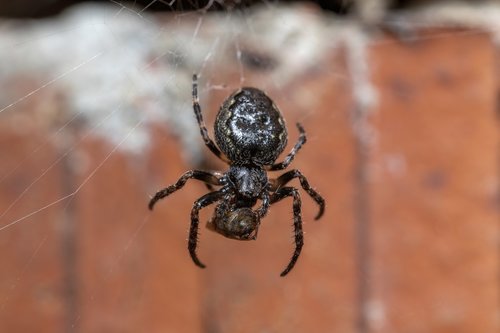
Co-Inhabitant (c) Alexis Lours, some rights reserved (CC BY), uploaded by Alexis Lours · cc-by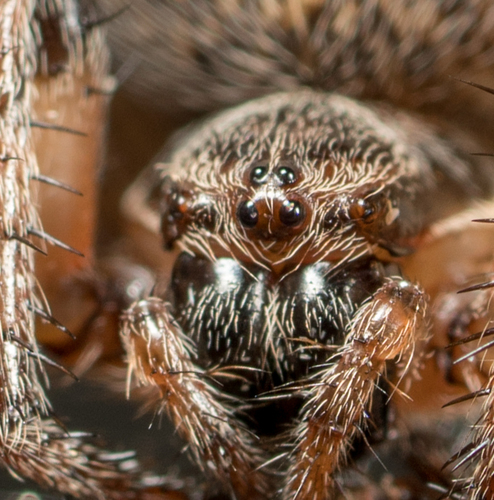
Close Relative no rights reserved, uploaded by Jesse Rorabaugh · cc0
Close Relative (c) Matthew Inabinett, some rights reserved (CC BY) · cc-by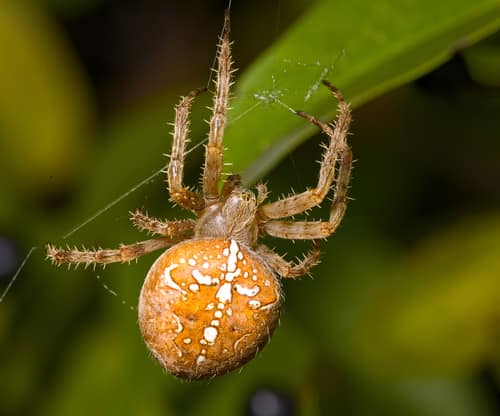
Close Relative (c) hedera.baltica, some rights reserved (CC BY-SA) · cc-by-sa
Help improve the field guideSomething wrong?
Checking your Fauna account…Report a name, category, or profile issue for review.