
Arachnid · GBIF taxon 2157944
Brown Widow
Latrodectus geometricusAlso known as Brown Button Spider, Grey Widow, Brown Black Widow, Geometric Button Spider
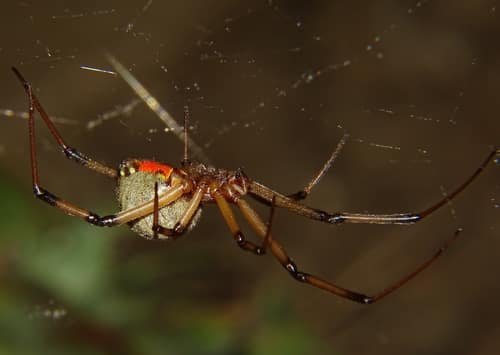
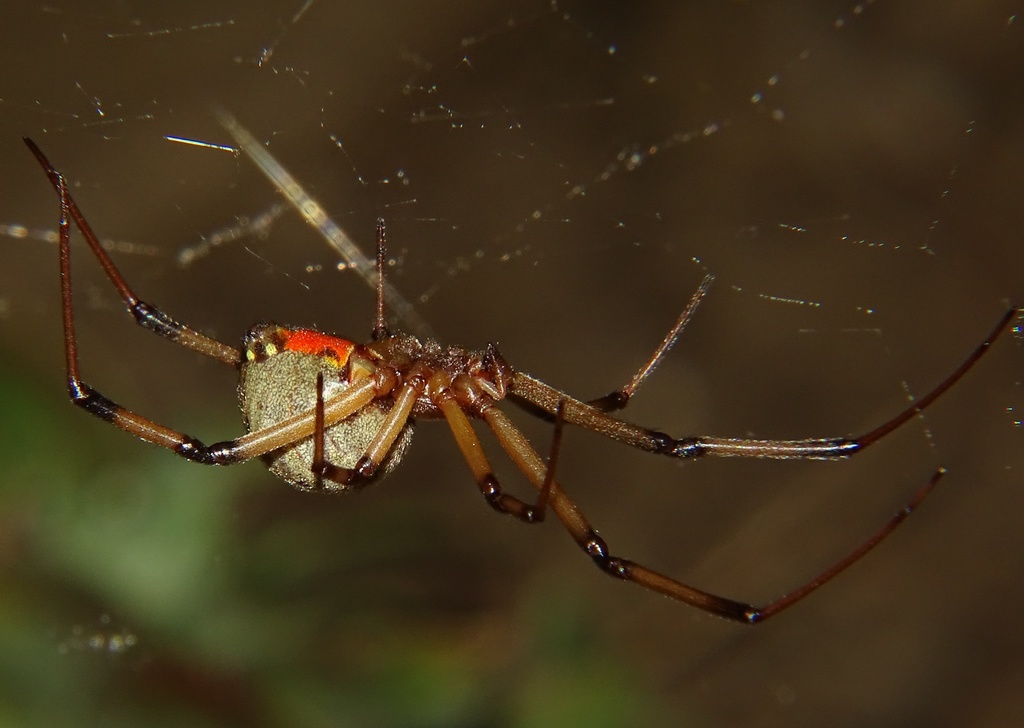
Brown widows build messy, sticky tangle webs around manmade structures, quiet garden corners, and outdoor furniture. Females carry a distinct orange or yellow hourglass mark on their belly alongside striped legs, and they produce easily recognizable spherical egg sacs covered in tiny silk spikes. Though timid spiders that typically play dead when threatened, their neurotoxic venom can cause localized pain if forced to bite in defense.
VenomousNocturnalWeb-Building
 1 / 7
1 / 7—observations
—countries
—peak records
Not EvaluatedConservation statusIUCN Red List categoriesLCNTVUENCREWEXNot Evaluated — not placed on the risk ladderRed List categories, explained →
Diet & prey
- Flies
- Ants
- Cockroaches
Predators
- Mud dauber wasps
- Lizards
- Centipedes
ThreatsPesticides, habitat disturbance, extreme cold
HabitatsUrban areas, garden sheds, outdoor furniture, under building eaves
Life span1–3 years
Classification
- OrderAraneae
- FamilyTheridiidae
- GenusLatrodectus
- SpeciesLatrodectus geometricus
Range data is not available yet.
Interaction riskVery high
- Low
- Moderate
- High
- Very high
- Why interaction risk is very high
- Delivers a neurotoxic bite that causes localized pain; avoid reaching blindly under outdoor furniture.
- Why it is dangerous
- Injects latrotoxin venom through defensive bites, causing localized pain, redness, muscle cramps, and mild nausea.
- How to recognize a risky encounter
- Look for a mottled brown body with tan stripes, an orange or yellow underside hourglass, and spiky tan egg sacs.
- What to do
- Never reach into dark crevices or undersides of patio furniture without checking first; wear gloves when moving yard debris.
Responsible observation
- Inspect Outdoor Items: Check beneath porch chairs, trash cans, and pot rims where webs are commonly built.
- Recognize Egg Sacs: Identify their distinctive tan, spike-covered egg sacs to spot active nesting areas.
- Observe at Night: Use a flashlight after dusk to see females waiting near the center of their tangle webs.
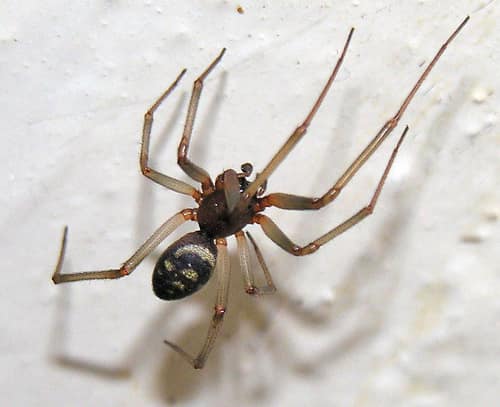
Look-Alike (c) anonymous, some rights reserved (CC BY-SA) · cc-by-sa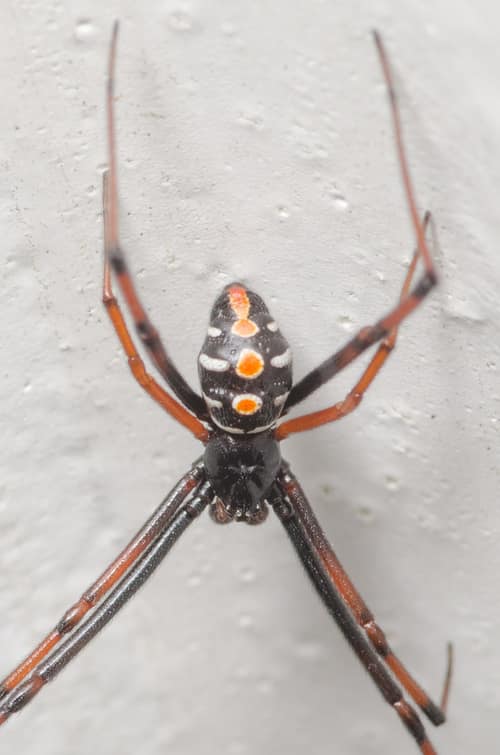
Close Relative (c) Justin Williams, some rights reserved (CC BY), uploaded by Justin Williams · cc-by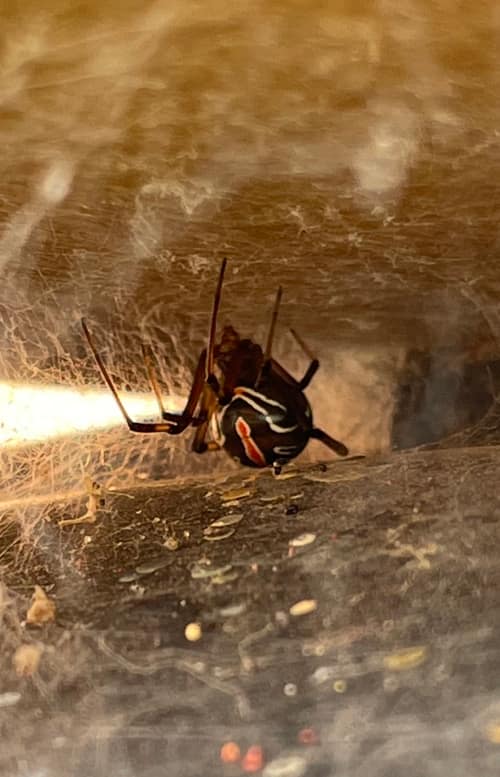
Close Relative (c) Luke Padon, some rights reserved (CC BY), uploaded by Luke Padon · cc-by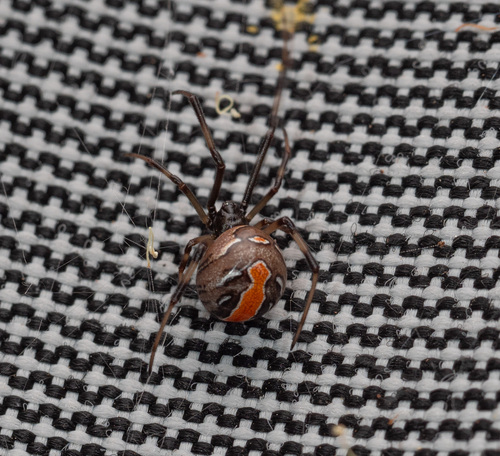
Close Relative (c) Paul Whitington, some rights reserved (CC BY), uploaded by Paul Whitington · cc-by
Help improve the field guideSomething wrong?
Checking your Fauna account…Report a name, category, or profile issue for review.