
Arachnid · GBIF taxon 2157935
Katipō Spider
Latrodectus katipoAlso known as Red Katipō, Black Katipō
Katipō spiders build tangled cobwebs low to the ground among driftwood, dune vegetation, and beach debris along New Zealand coastal sand dunes. Females spend most of their lives concealed within silk retreats, emerging primarily at night to capture wandering beetles and beach crustaceans. Habitat destruction and introduced competitors have severely reduced populations, making wild sightings an increasingly rare event.
VenomousCoastalEndemic
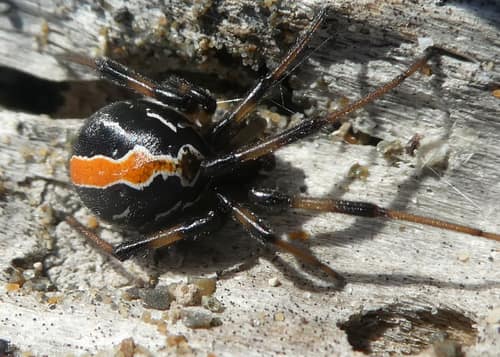
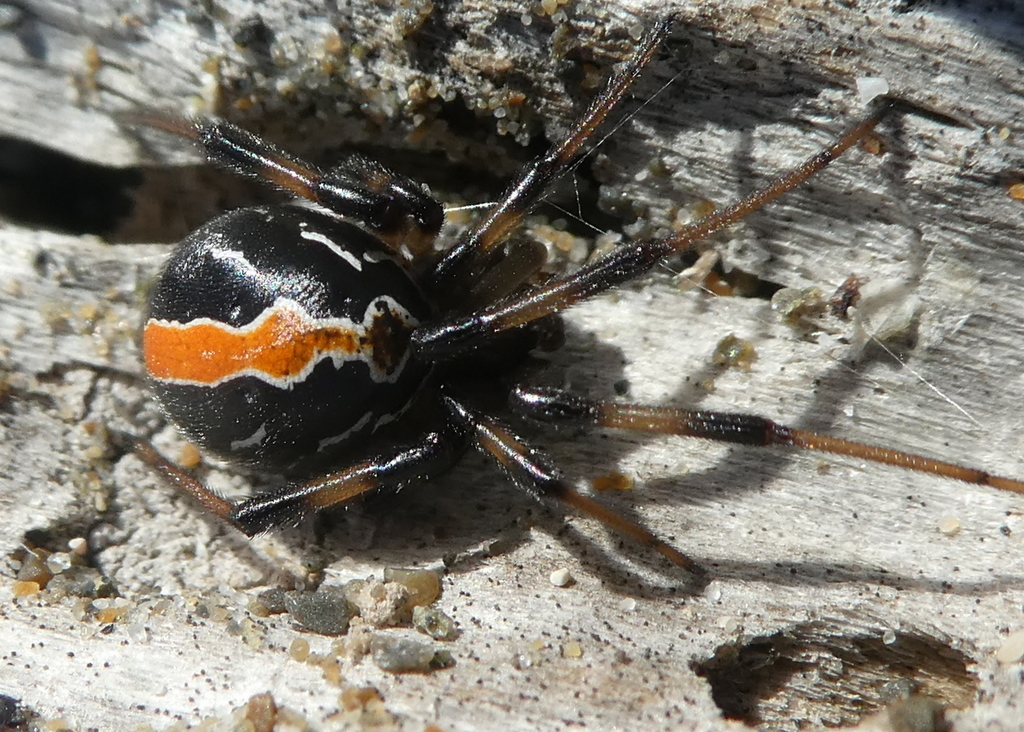 1 / 7
1 / 7—observations
—countries
—peak records
VulnerableConservation statusIUCN Red List categoriesLCNTVUENCREWEXVulnerableRed List categories, explained →
Diet & prey
- Ground beetles
- Sand hoppers
- Moths
Predators
- Skinks
- Parasitoid wasps
- Coastal birds
ThreatsCoastal development, invasive marram grass, introduced false katipo spiders
HabitatsCoastal sand dunes, beach drift, pingao grass tussocks
Life span1–3 years
Size / weightNot available
Classification
- FamilyTheridiidae
- SpeciesLatrodectus katipo
Range data is not available yet.
Interaction riskVery high
- Low
- Moderate
- High
- Very high
- Why interaction risk is very high
- Delivers a painful venomous bite if pressed or cornered; observe dune debris without touching.
- Why it is dangerous
- Injects alpha-latrotoxin venom that triggers latrodectism, causing severe systemic pain, abdominal cramps, sweating, hypertension, and potential seizures.
- How to recognize a risky encounter
- Look for a glossy black comb-footed spider with a bright red or orange abdominal stripe nestled in low dune webbing.
- What to do
- Do not handle wild spiders or reach blindly into driftwood, tussocks, or beach litter in coastal habitats.
- What to notice
- Recognized by its glossy black body and central red dorsal stripe in southern and central New Zealand populations.
- Support conservation
- Remain on established dune tracks, avoid trampling native pingao foliage, and never remove wild specimens.
Responsible observation
- Dune Etiquette: Stay on designated boardwalks to avoid crushing fragile webs in dune plants.
- Night Observation: Use a red light after dark to view active spiders without disturbing them.

Help improve the field guideSomething wrong?
Checking your Fauna account…Report a name, category, or profile issue for review.