
Arachnid · GBIF taxon 2157921
Mediterranean Black Widow
Latrodectus tredecimguttatusAlso known as European Black Widow, Thirteen-Spotted Spider, Karakurt
Glossy black females sport up to thirteen reddish or orange spots across their bulbous abdomens, giving this web-weaver its distinctive look and species name. They construct messy, highly durable tangle webs close to the ground beneath loose rocks, thick vegetation, or agricultural debris across Mediterranean scrublands and Central Asian steppes. Active primarily at night, these cobweb spiders immobilize heavy grasshoppers and beetles using elastic silk lines before delivering a paralyzed bite.
VenomousNocturnalArachnid
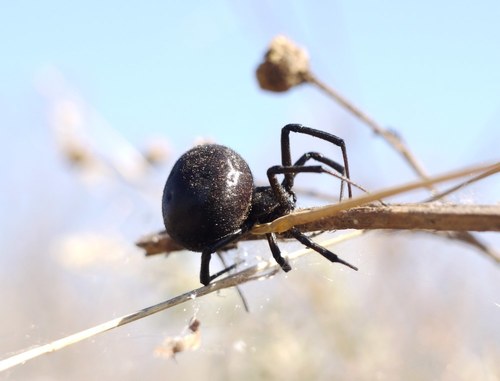
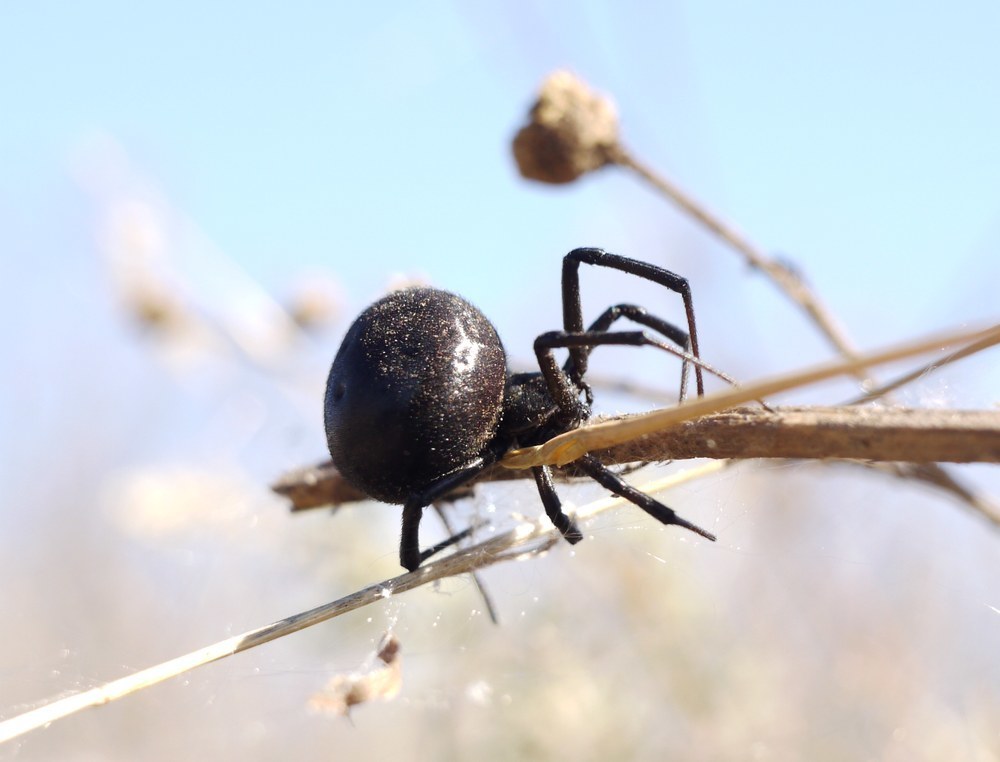
Licensed reference(c) Roman, some rights reserved (CC BY), uploaded by Roman · cc-by
—observations
—countries
—peak records
Not EvaluatedConservation statusIUCN Red List categoriesLCNTVUENCREWEXNot Evaluated — not placed on the risk ladderRed List categories, explained →
Diet & prey
- Grasshoppers
- Beetles
- Crickets
Predators
- Spider wasps
- Lizards
- Birds
ThreatsPesticide application and habitat alteration through intensive farming
HabitatsDry grasslands, scrublands, rocky slopes, and agricultural fields
Life span1–2 years
Size / weightNot available
Classification
- FamilyTheridiidae
- SpeciesLatrodectus tredecimguttatus
Range data is not available yet.
Interaction riskVery high
- Low
- Moderate
- High
- Very high
- Why interaction risk is very high
- Delivers a painful neurotoxic bite when squeezed or cornered; observe from a safe distance without direct handling.
- Why it is dangerous
- Injects latrotoxin venom causing severe muscle cramping, intense pain, sweating, and systemic distress known as latrodectism.
- How to recognize a risky encounter
- Recognize the glossy black body marked with up to thirteen vivid red, orange, or yellow spots on the abdomen.
- What to do
- Avoid reaching bare hands under rocks or into dark crevices; back away slowly if a spider is encountered.
Responsible observation
- Spotting: Look for strong, tangled silk strands near ground level under rocks or dry brush.
- Safety: Wear protective gloves when moving rocks, firewood, or debris in endemic areas.
- Observation: Use a red-filtered flashlight at night when females wait at the center of their webs.
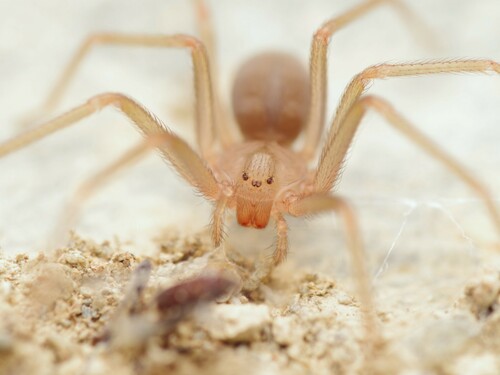
Co-occurring Spider (c) Ludivine Lamare, some rights reserved (CC BY), uploaded by Ludivine Lamare · cc-by Image unavailable
Look-alike 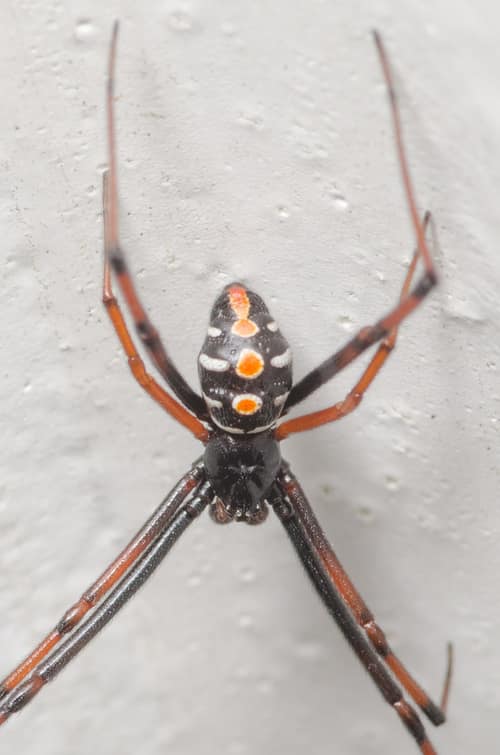
Close Relative (c) Justin Williams, some rights reserved (CC BY), uploaded by Justin Williams · cc-by
Help improve the field guideSomething wrong?
Checking your Fauna account…Report a name, category, or profile issue for review.