
Arachnid · GBIF taxon 2157402
Common House Spider
Parasteatoda tepidariorumAlso known as American House Spider, Domestic House Spider
Common house spiders weave tangled, irregular cobwebs in dim, sheltered corners of homes, basements, and outbuildings to catch flying and crawling insects. Females construct distinctive, pear-shaped, brownish egg sacs that hang suspended within the web during warmer months. When threatened, these retreat-dwelling arachnids drop to the ground on a safety line or feign death rather than bite.
SynanthropicCobweb WeaverBeneficial
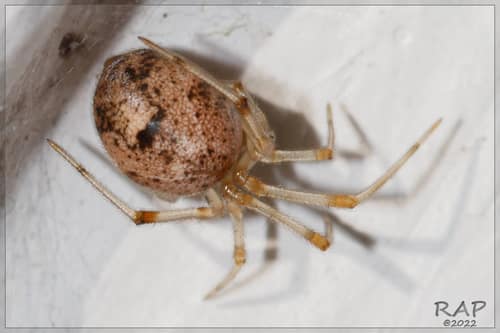
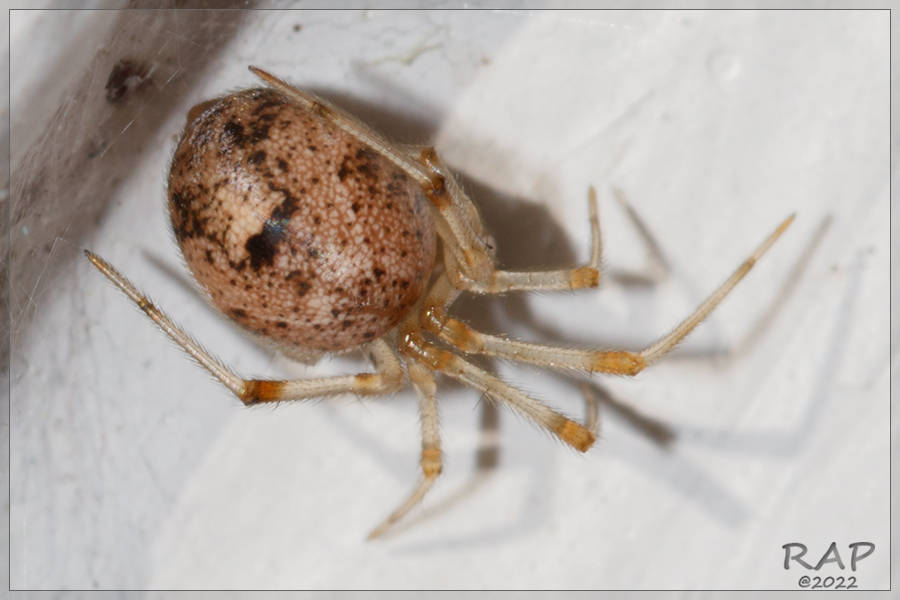
—observations
—countries
—peak records
Not EvaluatedConservation statusIUCN Red List categoriesLCNTVUENCREWEXNot Evaluated — not placed on the risk ladderRed List categories, explained →
Diet & prey
- Flies
- Mosquitoes
- Ants
Predators
- Cellar Spiders
- Jumping Spiders
- Centipedes
ThreatsHousehold cleaning, pesticide exposure, larger spider species
HabitatsHuman dwellings, basements, garages, sheds, rock crevices
Life span1–2 years
Size / weightNot available
Classification
- OrderAraneae
- FamilyTheridiidae
- GenusParasteatoda
- SpeciesParasteatoda tepidariorum
Range data is not available yet.
Interaction riskLow
- Low
- Moderate
- High
- Very high
- Why interaction risk is low
- Safe to observe at a normal distance.
Responsible observation
- Indoor Coexistence: Leave webs in basements or garages for natural pest control.
- Relocation: Use a glass container and stiff paper to gently transfer them outside.
- Observation: Search web corners to locate brownish, pear-shaped egg sacs.
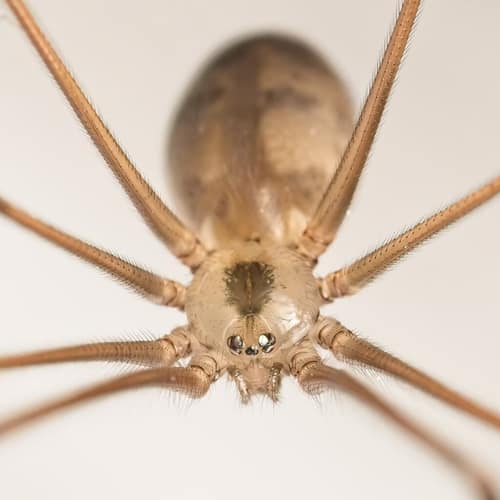
Competitor (c) Michael, some rights reserved (CC BY), uploaded by Michael · cc-by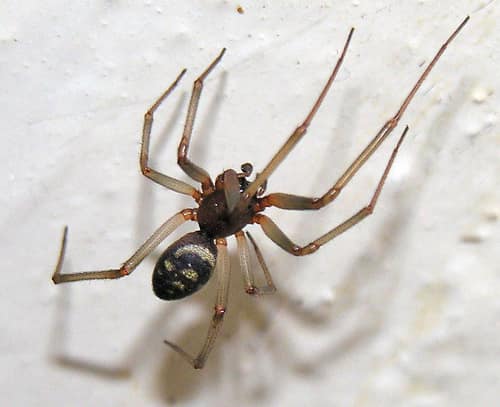
Close Relative (c) anonymous, some rights reserved (CC BY-SA) · cc-by-sa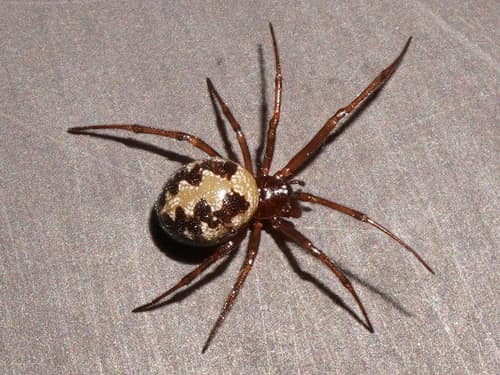
Close Relative (c) Patrick Hacker, some rights reserved (CC BY), uploaded by Patrick Hacker · cc-by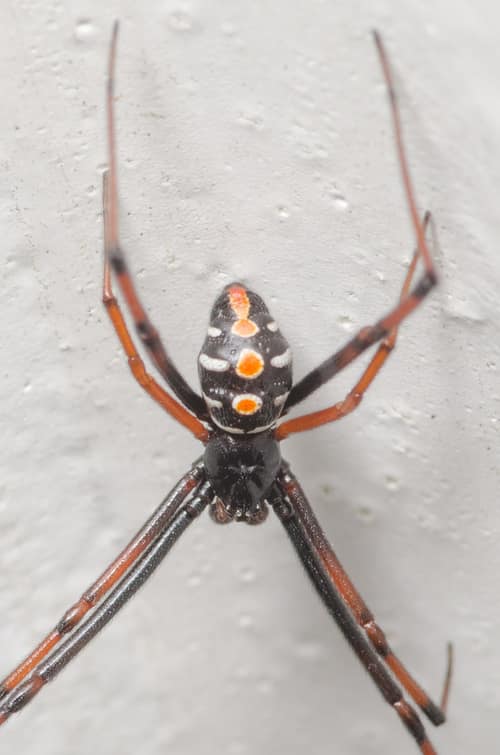
Family Relative (c) Justin Williams, some rights reserved (CC BY), uploaded by Justin Williams · cc-by
Help improve the field guideSomething wrong?
Checking your Fauna account…Report a name, category, or profile issue for review.