
Arachnid
Boreal Combfoot
Steatoda borealisAlso known as Northern False Widow
Boreal combfoots weave tangled, irregular three-dimensional webs in dark crevices, basements, and rock piles, waiting upside down for wandering prey to stumble into sticky anchor lines. Often mistaken for true black widows due to their bulbous dark abdomens, they bear a subtle pale midline stripe and lack bright red hourglass markings. Males produce faint acoustic signals by scraping ridges on their abdomen against their carapace to court females during the breeding season.
NocturnalWeb-weaverSynanthropic
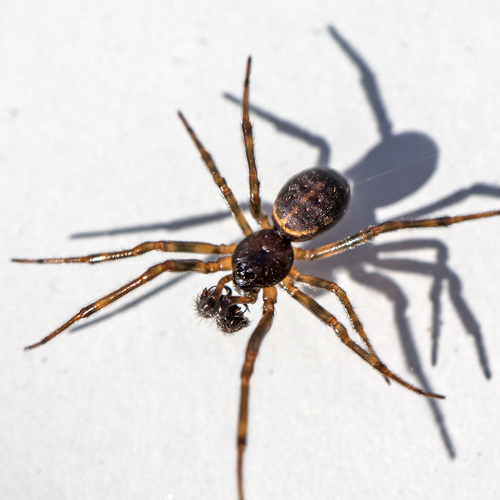
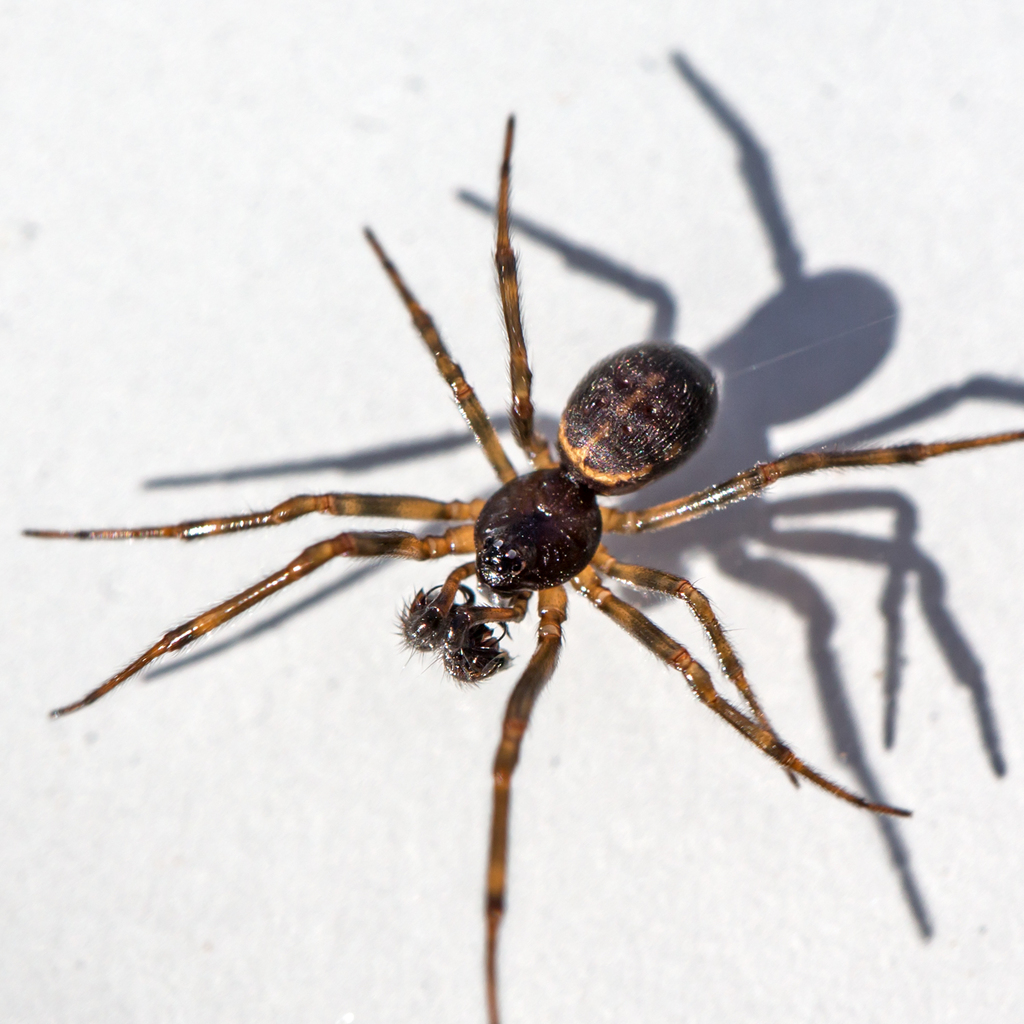
—observations
—countries
—peak records
Not EvaluatedConservation statusIUCN Red List categoriesLCNTVUENCREWEXNot Evaluated — not placed on the risk ladderRed List categories, explained →
Diet & preyFlies, Ants, Carpet beetles
Predators
- Mud dauber wasps
- Jumping spiders
- Centipedes
ThreatsPesticide application and habitat clearance
HabitatsDeciduous forests, rocky crevices, basements, and outbuildings
Life span1–2 years
Classification
- OrderAraneae
- FamilyTheridiidae
- GenusSteatoda
- SpeciesSteatoda borealis
Range data is not available yet.
Interaction riskLow
- Low
- Moderate
- High
- Very high
- Why interaction risk is low
- Harmless to humans; bites are rare, defensive, and cause only mild localized discomfort.
Responsible observation
- Observation: Look around dark foundation corners and woodpiles after dusk with a soft flashlight.
- Relocation: Gently scoop stray indoor individuals using a clear cup and card to move outside.
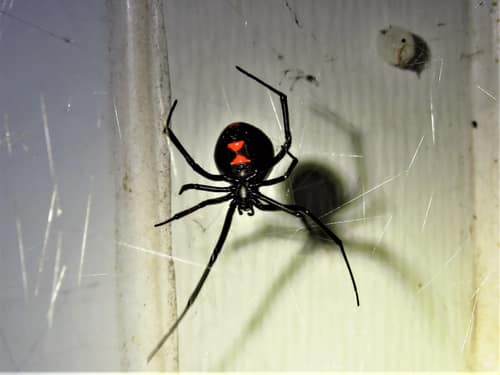
Look-alike (c) Annika Lindqvist, some rights reserved (CC BY), uploaded by Annika Lindqvist · cc-by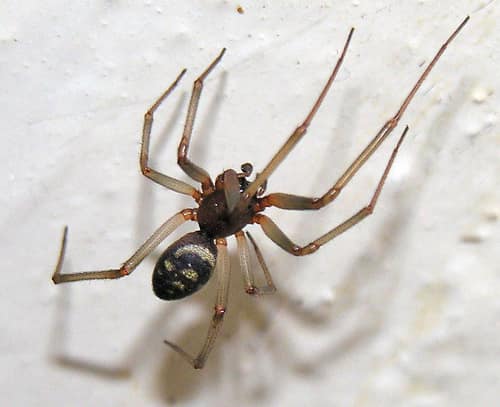
Close Relative (c) anonymous, some rights reserved (CC BY-SA) · cc-by-sa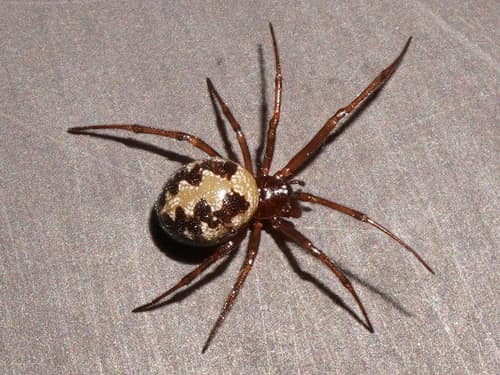
Close Relative (c) Patrick Hacker, some rights reserved (CC BY), uploaded by Patrick Hacker · cc-by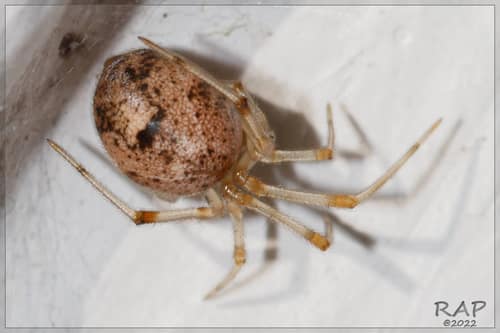
Same Family (c) RAP, some rights reserved (CC BY), uploaded by RAP · cc-by
Help improve the field guideSomething wrong?
Checking your Fauna account…Report a name, category, or profile issue for review.