
Arachnid · GBIF taxon 2153716
Brazilian Black
Grammostola pulchraAlso known as Brazilian Black Tarantula, Uruguayan Black Tarantula
Brazilian black tarantulas are renowned for their velvety, pitch-black coloration and famously calm temperament, making them long-lived favorites among arachnid enthusiasts. Native to the grassland and forest regions of southern Brazil and Uruguay, these terrestrial spiders spend their days burrowed beneath leaf litter or occupying abandoned rodent burrows. Slow to mature, females can survive for over twenty years while serving as important generalist predators of insects and small invertebrates.
TerrestrialBurrowingNocturnal
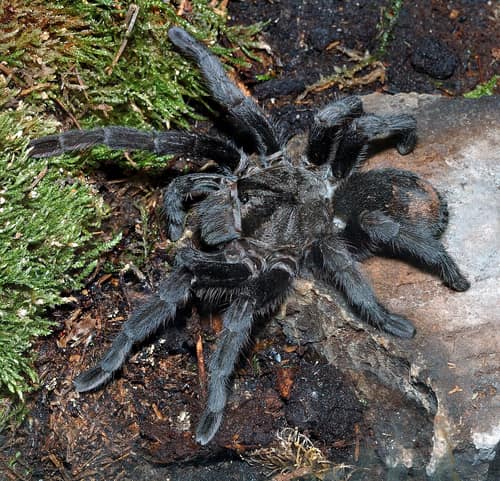
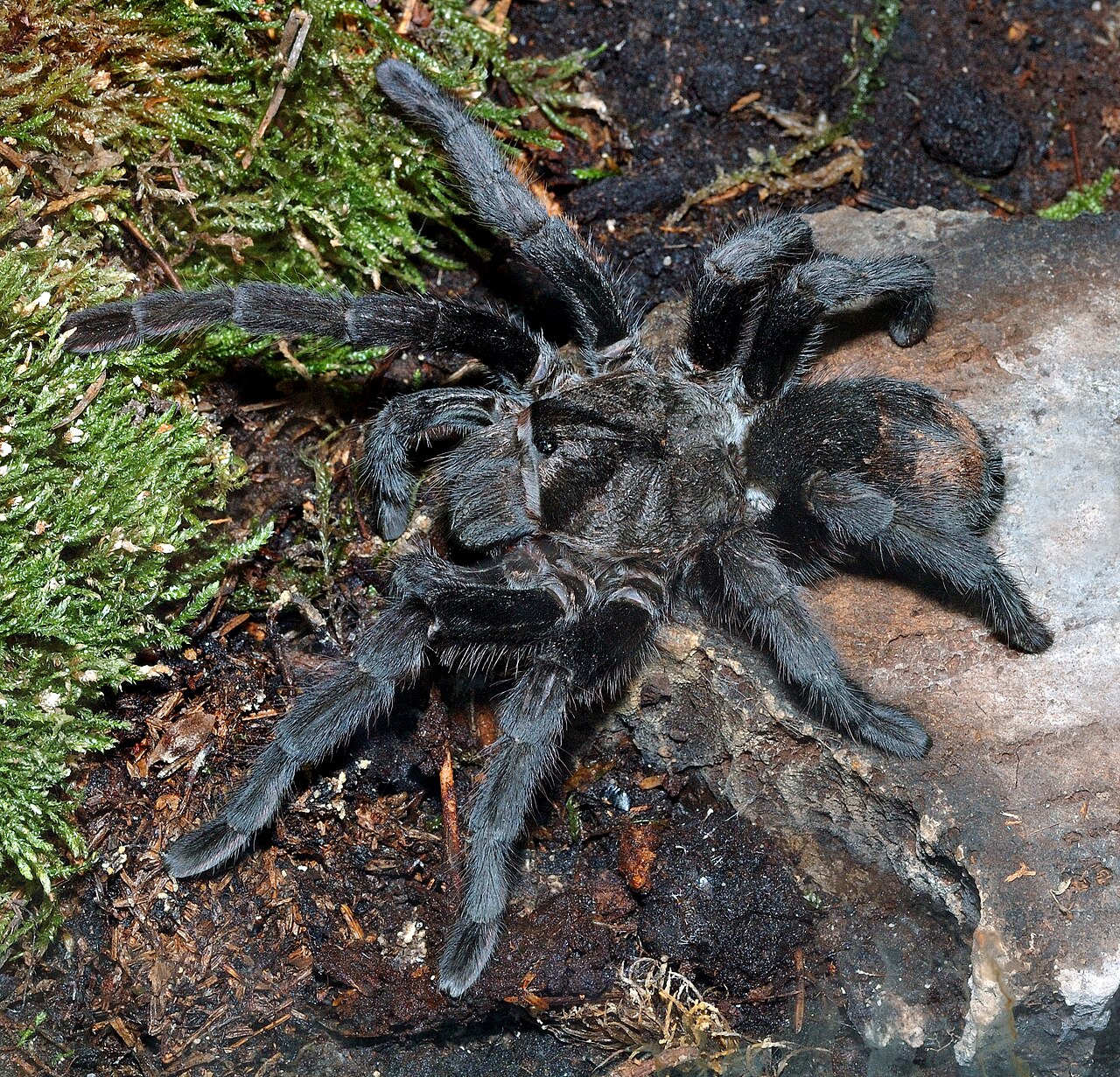
Licensed referenceAndré Karwath aka Aka / CC BY-SA 2.5 · cc-by-sa
—observations
—countries
—peak records
Not EvaluatedConservation statusIUCN Red List categoriesLCNTVUENCREWEXNot Evaluated — not placed on the risk ladderRed List categories, explained →
Diet & prey
- Crickets
- Cockroaches
- Beetles
Predators
- Tarantula hawks
- Small mammals
- Large birds
ThreatsHabitat destruction and illegal overcollection for the pet trade
HabitatsGrasslands, savannas, subtropical forest floors
Life spanFemales 20–25 years; males 6–8 years
Size / weightNot available
Classification
- FamilyTheraphosidae
- SpeciesGrammostola pulchra
Range data is not available yet.
Interaction riskVery high
- Low
- Moderate
- High
- Very high
- Why interaction risk is very high
- Possesses mild venom and flickable urticating hairs; observe from a safe distance without handling.
- Why it is dangerous
- Delivers a painful bite with mild venom comparable to a bee sting, and kicks microscopic urticating hairs that irritate skin and eyes.
- How to recognize a risky encounter
- Recognized by its uniform jet-black velvety appearance, stocky body, and lack of leg striping.
- What to do
- Never press or corner the spider; use a cup and card if relocation is necessary.
Responsible observation
- Observation: Use a red-light flashlight at night to spot activity without startling the spider.
- Avoid Handling: Refrain from direct contact to prevent hair flicking or defensive bites.
- Burrow Respect: Leave webbed silk silk burrows and overturned logs untouched.
 Image unavailable
Predator 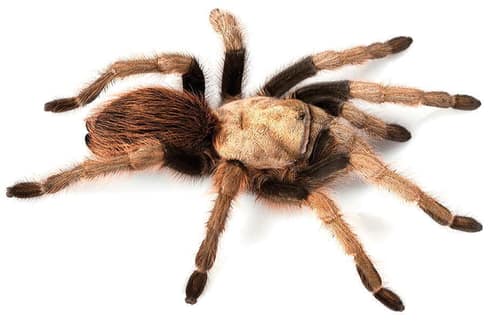
Ecological Counterpart (c) Chris A. Hamilton, Brent E. Hendrixson, Jason E. Bond, some rights reserved (CC BY) · cc-by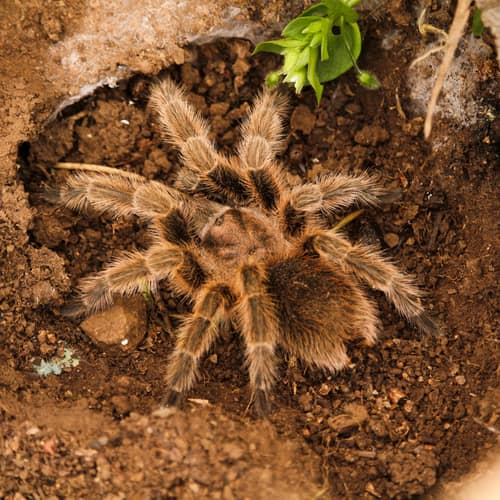
Close Relative no rights reserved, uploaded by Perrito Chiquitito · cc0Close Relative
Help improve the field guideSomething wrong?
Checking your Fauna account…Report a name, category, or profile issue for review.