
Arachnid · GBIF taxon 2153712
Chilean Rose
Grammostola roseaAlso known as Rose Hair Tarantula, Chilean Fire Tarantula, Chilean Red-Haired Tarantula
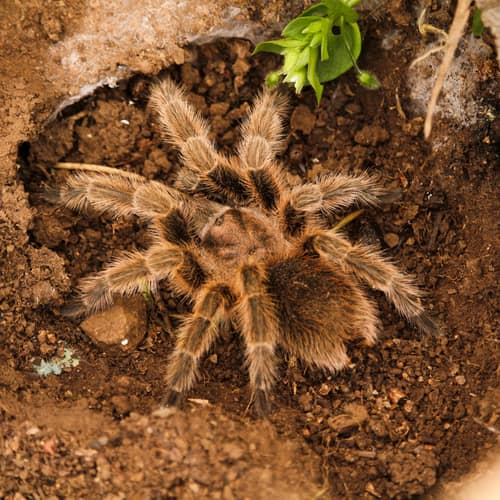
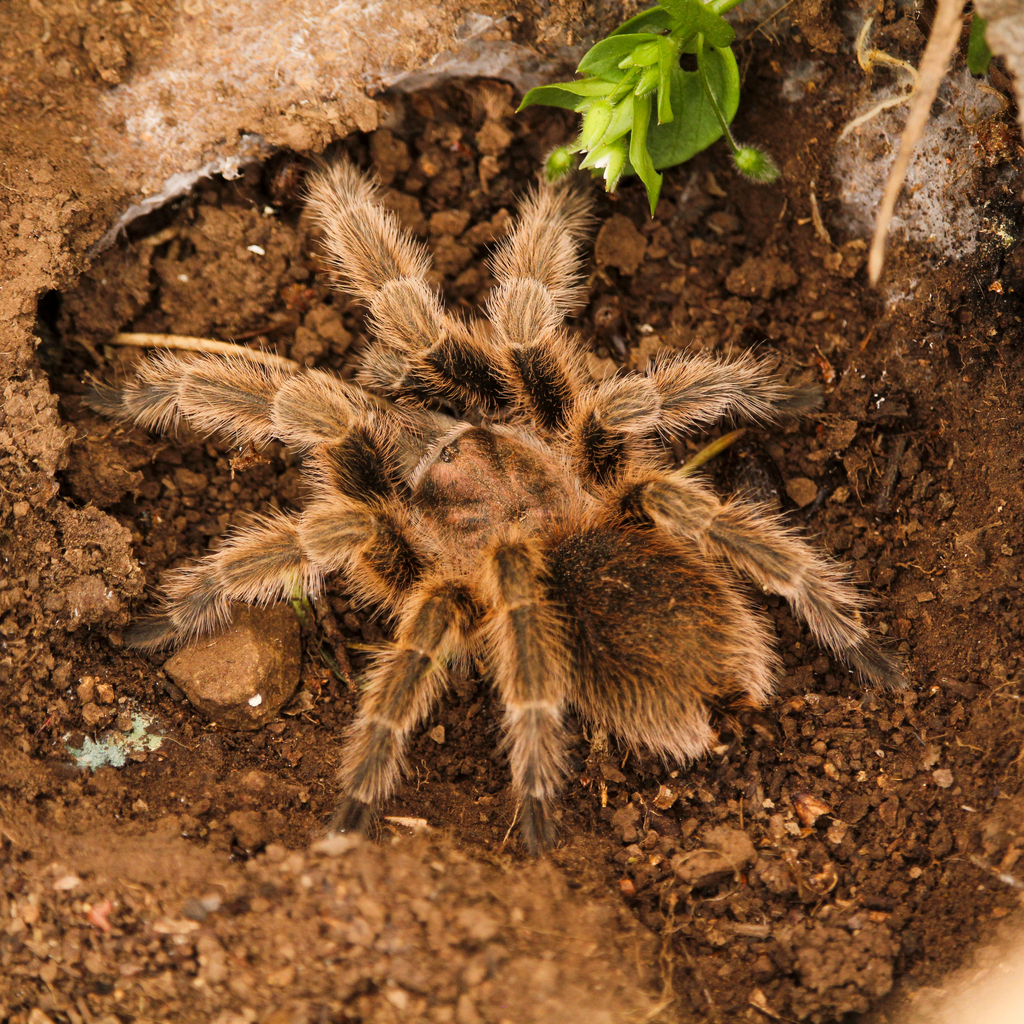
Chilean rose tarantulas spend their days lurking in silk-lined burrows beneath rocks and desert shrubs, emerging during cool evening hours to ambush passing prey. Females can survive for over twenty years in arid habitats, relying on specialized sensory hairs on their legs to detect subtle ground vibrations. When threatened, these calm ground-dwellers brush barbed urticating setae off their abdomens toward potential predators.
ArachnidDesertBurrowing
—observations
—countries
—peak records
Not EvaluatedConservation statusIUCN Red List categoriesLCNTVUENCREWEXNot Evaluated — not placed on the risk ladderRed List categories, explained →
Diet & prey
- Crickets
- Grasshoppers
- Beetles
Predators
- Tarantula hawk wasps
- Hawks
- Small mammals
ThreatsOvercollection for the pet trade and habitat loss
HabitatsDeserts, scrublands, and arid grasslands
Life spanFemales 15–20+ years; males 4–5 years
Size / weightNot available
Classification
- OrderAraneae
- FamilyTheraphosidae
- GenusGrammostola
- SpeciesGrammostola rosea
Range data is not available yet.
Interaction riskVery high
- Low
- Moderate
- High
- Very high
- Why interaction risk is very high
- Delivers a mild bite and sheds skin-irritating hairs when provoked; observe calmly from a respectful distance.
- Why it is dangerous
- Injects mild venom via fangs and kicks microscopic urticating hairs from its abdomen that cause sharp itching and skin inflammation.
- How to recognize a risky encounter
- Recognized by its stocky build, dense beige hair coat, and distinctive pinkish hue on the carapace.
- What to do
- Maintain a respectful distance and avoid harassing individuals or touching eyes after proximity to an agitated spider.
- What to notice
- Identified in native Chilean terrain by silk-ringed burrow entrances sheltered under desert rocks or scrub.
- Support conservation
- Observe wild spiders without excavating burrows, and support conservation by never capturing wild specimens.
Responsible observation
- Observation: Watch quietly without making sudden movements or blowing air onto the spider.
- Avoid Handling: Refrain from touching wild individuals to prevent triggering defensive hair release.
- Burrow Protection: Keep rocks and structural shelter intact when observing in native habitats.
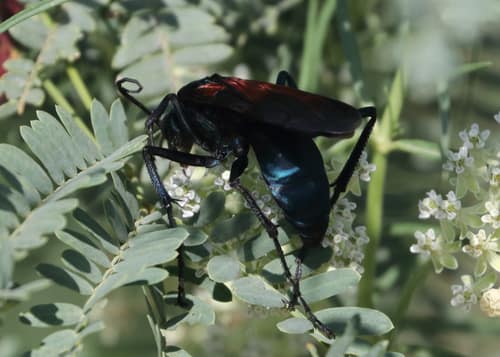
Predator (c) Seth Wollney, some rights reserved (CC BY) · cc-by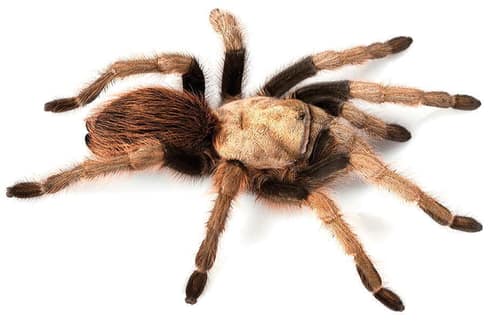
Ecological Counterpart (c) Chris A. Hamilton, Brent E. Hendrixson, Jason E. Bond, some rights reserved (CC BY) · cc-by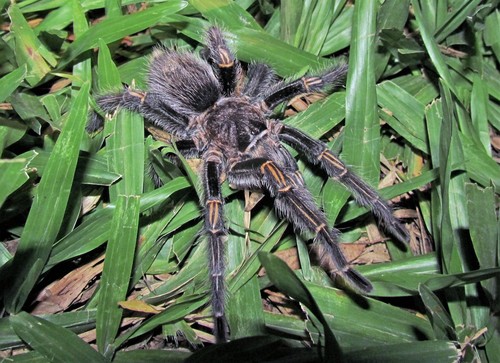
Close Relative no rights reserved, uploaded by Hugo Hulsberg · cc0
Keep collecting in Fauna
Found in Collections
Ecosystem chain Pro
Desert Sands
Chilean Rose is found in this collection. Identify it in Fauna to fill this slot and continue your progress.
Unlock to track progress
Help improve the field guideSomething wrong?
Checking your Fauna account…Report a name, category, or profile issue for review.