
Arachnid · GBIF taxon 2153626
Desert Tarantula
Aphonopelma iodiusThe Desert Tarantula is a large, slow-growing spider of arid western North America with a tan carapace and dark hairy legs. Females remain near silk-lined burrows, while mature males wander across open ground during the breeding season.
Burrowing SpiderDesert ArthropodLong-lived Female
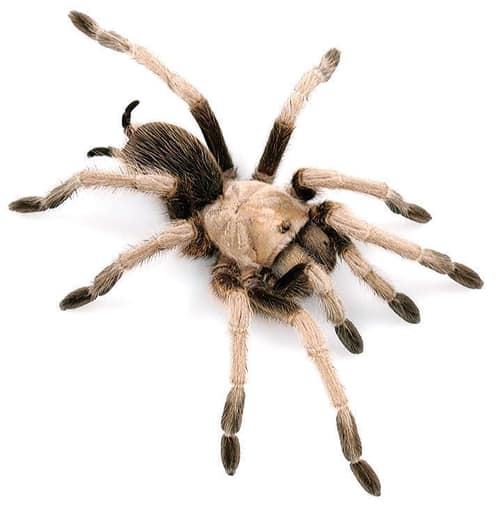
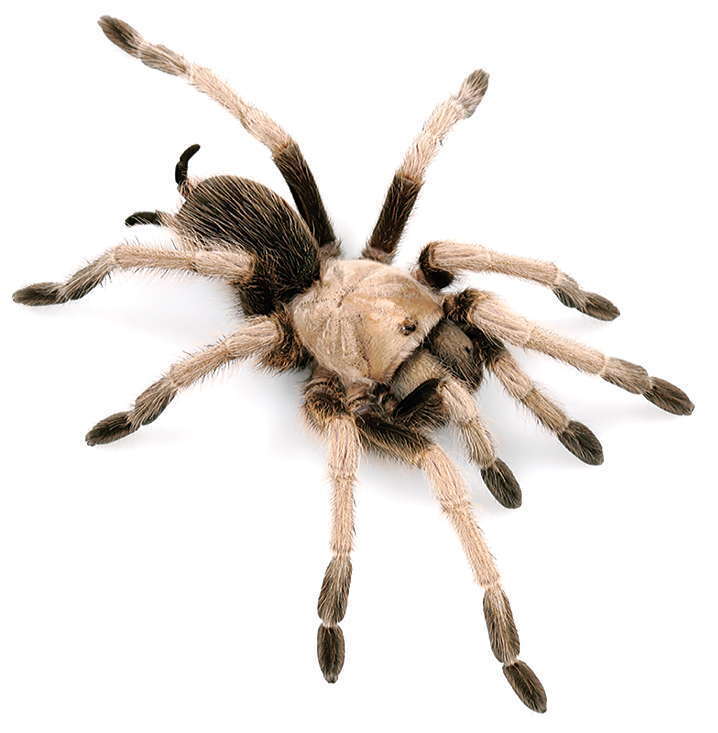 1 / 7
1 / 7—observations
—countries
—peak records
Not EvaluatedConservation statusIUCN Red List categoriesLCNTVUENCREWEXNot Evaluated — not placed on the risk ladderRed List categories, explained →
Diet & prey
- Crickets
- Beetles
- Grasshoppers
Predators
- Tarantula hawk wasps
- Owls
- Coyotes
ThreatsDevelopment, road mortality, collecting, pesticides, burrow destruction, and prolonged drought
HabitatsDesert scrub, dry grassland, rocky foothills, washes, and burrows in stable soil
Life spanFemales may exceed 20 years; adult males usually live only a few years
Size / weightNot available
Classification
- OrderAraneae
- FamilyTheraphosidae
- GenusAphonopelma
- SpeciesAphonopelma iodius
Range data is not available yet.
Interaction riskLow
- Low
- Moderate
- High
- Very high
- Why interaction risk is low
- Defensive hairs irritate skin and eyes; bites are possible if a spider is restrained.
- Why it is dangerous
- A threatened tarantula may release irritating abdominal hairs or deliver a defensive bite.
- How to recognize a risky encounter
- A large hairy spider with a pale tan carapace, darker legs, and a ground-dwelling habit.
- What to do
- Do not touch or provoke it; avoid airborne hairs and rinse exposed eyes with clean water.
Responsible observation
- Distance: Let wandering spiders cross without surrounding or touching them.
- Burrow: Never probe, excavate, or block a silk-lined retreat.
Keep collecting in Fauna
Found in Collections
Ecosystem chain Pro
Desert Sands
Desert Tarantula is found in this collection. Identify it in Fauna to fill this slot and continue your progress.
Unlock to track progress
Help improve the field guideSomething wrong?
Checking your Fauna account…Report a name, category, or profile issue for review.