
Arachnid · GBIF taxon 2153583
Rio Grande Gold Tarantula
Aphonopelma moderatumAlso known as Rio Grande Gold, Texas Gold Tarantula
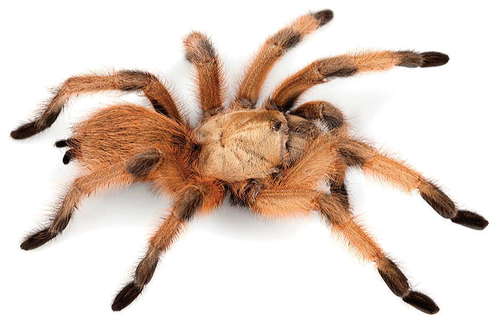
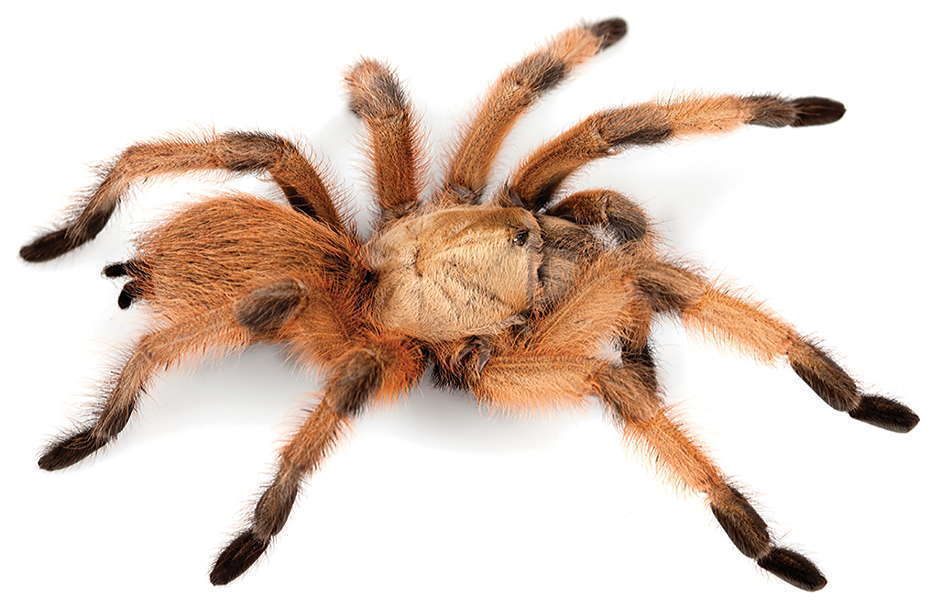
Rio Grande Gold Tarantulas inhabit the dry scrublands and desert grasslands of southern Texas, where they construct deep underground burrows lined with silk. Distinctive for their striking orange-gold leg segments contrasting against a dark carapace, these nocturnal arachnids spend hot days hidden underground and emerge at dusk to hunt. Females can live for decades in the same burrow system, making local populations particularly vulnerable to habitat destruction and illegal collection.
TerrestrialBurrowingNocturnal
 1 / 3
1 / 3—observations
—countries
—peak records
Not EvaluatedConservation statusIUCN Red List categoriesLCNTVUENCREWEXNot Evaluated — not placed on the risk ladderRed List categories, explained →
Diet & prey
- Crickets
- Beetles
- Grasshoppers
Predators
- Tarantula hawks
- Skunks
- Lizards
ThreatsHabitat destruction, poaching for the pet trade, vehicle strikes
HabitatsArid scrubland, desert grassland, dry wash margins
Life spanFemales 20–30 years; males 5–8 years
Classification
- OrderAraneae
- FamilyTheraphosidae
- GenusAphonopelma
- SpeciesAphonopelma moderatum
Range data is not available yet.
Interaction riskVery high
- Low
- Moderate
- High
- Very high
- Why interaction risk is very high
- Delivers a mild venomous bite and sheds urticating hairs; observe safely from a short distance.
- Why it is dangerous
- Large fangs deliver a mildly venomous bite equivalent to a bee sting, and flicked abdominal hairs cause skin and eye irritation.
- How to recognize a risky encounter
- Look for bright orange-gold leg segments contrasting sharply against a dark body in southern Texas scrubland.
- What to do
- Observe from a meter away and never attempt to corner, lift, or lean closely over a wild spider.
- What to notice
- Recognized by bold golden-orange leg bands and dark body coloration in the Rio Grande Valley.
- Support conservation
- Never excavate burrows or remove individuals from the wild, preserving fragile native populations.
Responsible observation
- Night Spotting: Search sandy scrublands after dark using a flashlight near eye level to detect reflective eyeshine.
- Keep Distance: Avoid cornering or handling wild individuals to prevent defensive biting or hair kicking.
- Burrow Respect: Leave silk-lined burrow entrances along dry washes completely undisturbed.
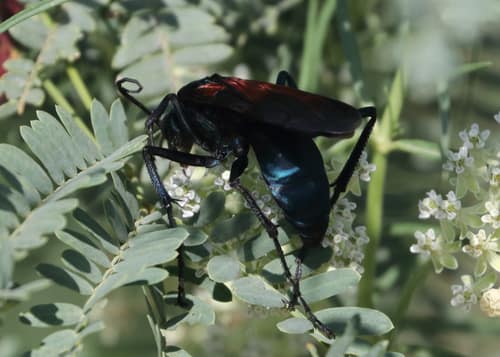
Predator (c) Seth Wollney, some rights reserved (CC BY) · cc-by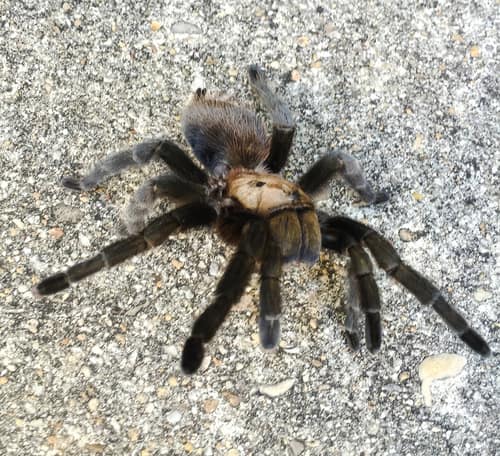
Close Relative (c) Edoro, some rights reserved (CC BY), uploaded by Edoro · cc-by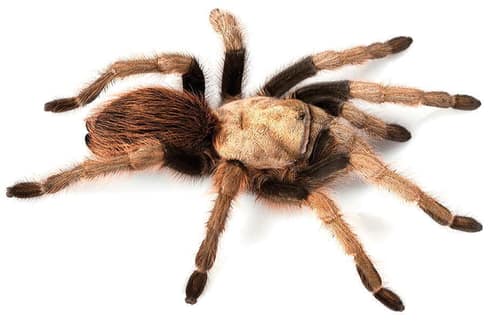
Close Relative (c) Chris A. Hamilton, Brent E. Hendrixson, Jason E. Bond, some rights reserved (CC BY) · cc-by
Keep collecting in Fauna
Found in Collections
Ecosystem chain Pro
Desert Sands
Rio Grande Gold Tarantula is found in this collection. Identify it in Fauna to fill this slot and continue your progress.
Unlock to track progress
Help improve the field guideSomething wrong?
Checking your Fauna account…Report a name, category, or profile issue for review.