
Arachnid · GBIF taxon 2153428
Mexican Orangeknee Tarantula
Brachypelma hamoriiAlso known as Mexican Redknee Tarantula, Orangeknee Tarantula
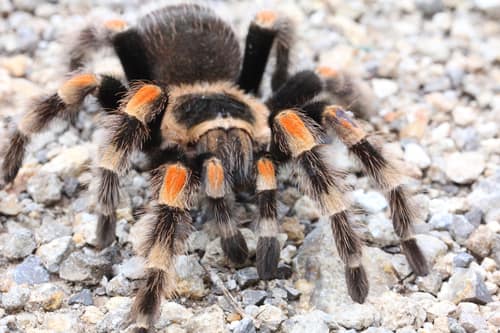
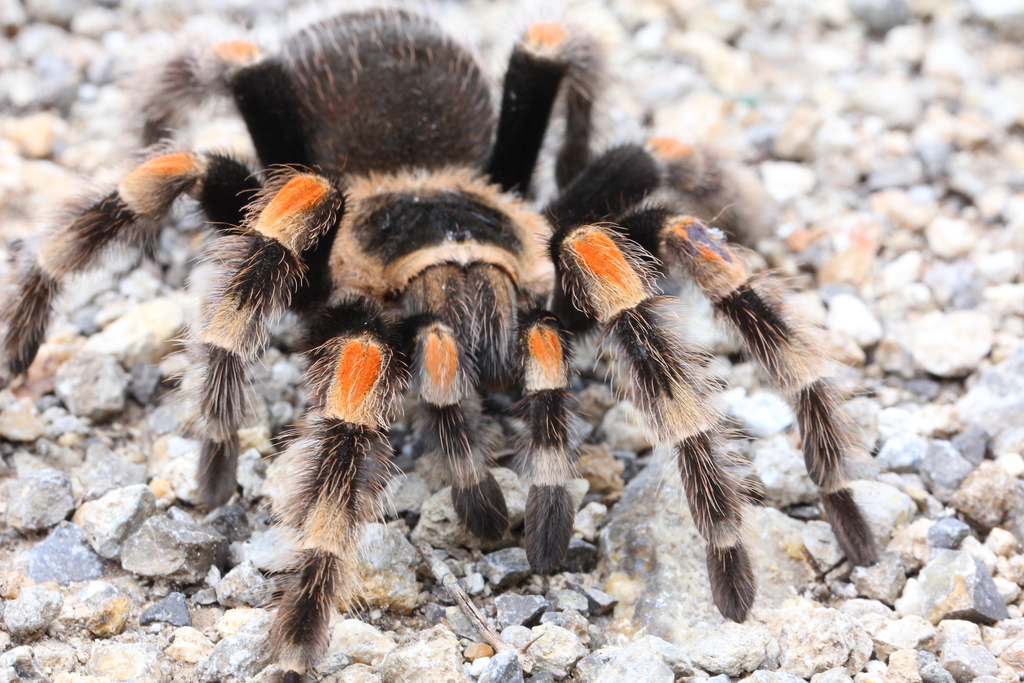
Mexican orangeknee tarantulas inhabit tropical dry forests and scrublands along the Pacific coast of Mexico, constructing deep silk-lined burrows under rocks or fallen timber. These heavy-bodied, nocturnal arachnids rely on vibration-sensitive setae across their limbs to detect approaching prey and potential predators in the dark. Females are remarkably long-lived and often occupy the same burrow system for more than two decades.
TerrestrialNocturnalBurrowing
 1 / 3
1 / 3—observations
—countries
—peak records
VulnerableConservation statusIUCN Red List categoriesLCNTVUENCREWEXVulnerableRed List categories, explained →
Diet & prey
- Crickets
- Grasshoppers
- Small lizards
Predators
- Coatis
- Peccaries
- Tarantula hawk wasps
ThreatsHabitat loss, agricultural expansion, illegal collection for pet trade
HabitatsTropical dry forests, scrublands, rocky coastal hills
Life span10–15 years for males; 25–30 years for females
Classification
- OrderAraneae
- FamilyTheraphosidae
- GenusBrachypelma
- SpeciesBrachypelma hamorii
Range data is not available yet.
Interaction riskVery high
- Low
- Moderate
- High
- Very high
- Why interaction risk is very high
- Flicks irritating abdominal hairs when threatened and can deliver a mild venomous bite; observe from a safe distance.
- Why it is dangerous
- Defensively kicks microscopic urticating abdominal hairs that irritate eyes, lungs, and skin, and possesses mild venom capable of localized pain.
- How to recognize a risky encounter
- Features bright orange patches on the patellae (knees) contrasting sharply with a dark blackish-brown body and legs.
- What to do
- Do not disturb wild burrows; back away if the spider raises its front legs into a high defensive threat posture.
- What to notice
- Recognizable by bright orange knee bands on a velvety black body, residing in silk-rimmed ground burrows.
- Support conservation
- Never collect wild specimens or publish exact GPS coordinates of wild burrows.
Responsible observation
- Observing in Wild: Look for silk-lined burrow entrances in rocky forest soil during early evening.
- Safe Distance: Maintain a respectful distance to avoid triggering defensive hair-flicking behaviors.
- Handling Caution: Never touch or handle wild tarantulas, as hair contact causes intense skin irritation.
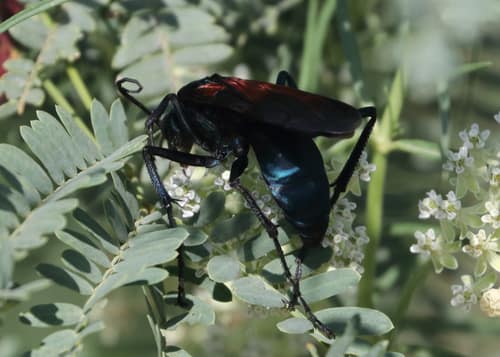
Predator (c) Seth Wollney, some rights reserved (CC BY) · cc-by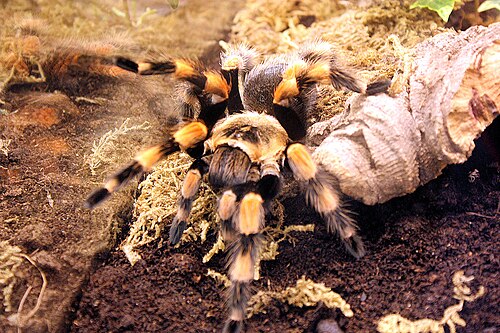
Close Relative Dguendel / CC BY 3.0 · cc-by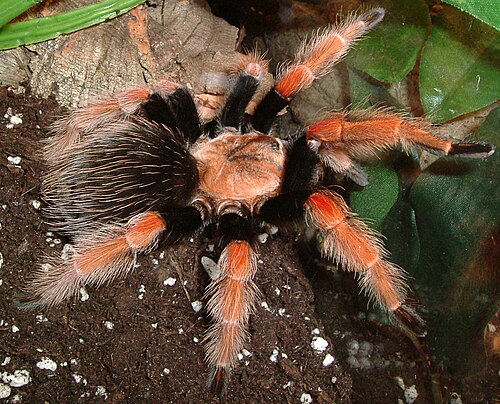
Close Relative Viki / CC BY-SA 3.0 · cc-by-sa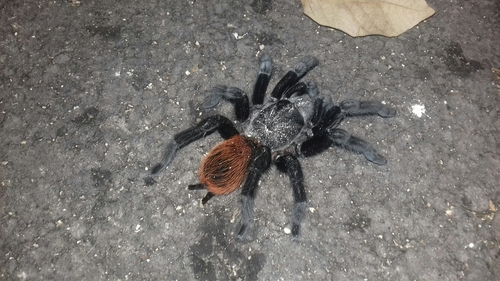
Close Relative (c) AJ Wacaser, some rights reserved (CC BY), uploaded by AJ Wacaser · cc-by
Keep collecting in Fauna
Found in Collections
Ecosystem chain Pro
Desert Sands
Mexican Orangeknee Tarantula is found in this collection. Identify it in Fauna to fill this slot and continue your progress.
Unlock to track progress
Help improve the field guideSomething wrong?
Checking your Fauna account…Report a name, category, or profile issue for review.