
Arachnid
Common Stretch Spider
Tetragnatha extensaAlso known as Long-jawed Orb Weaver, European Stretch Spider
Common stretch spiders build delicate, inclined orb webs directly above standing water or damp marshland to intercept newly emerged aquatic insects. When startled, they align their exceptionally long legs parallel to their slender bodies along grass blades or twigs, melting into the vegetation as an unnoticeable stick. Adults mate during late spring and summer, locking their oversized chelicerae together in a specialized grip to prevent cannibalism.
Web WeaverRiparianElongated

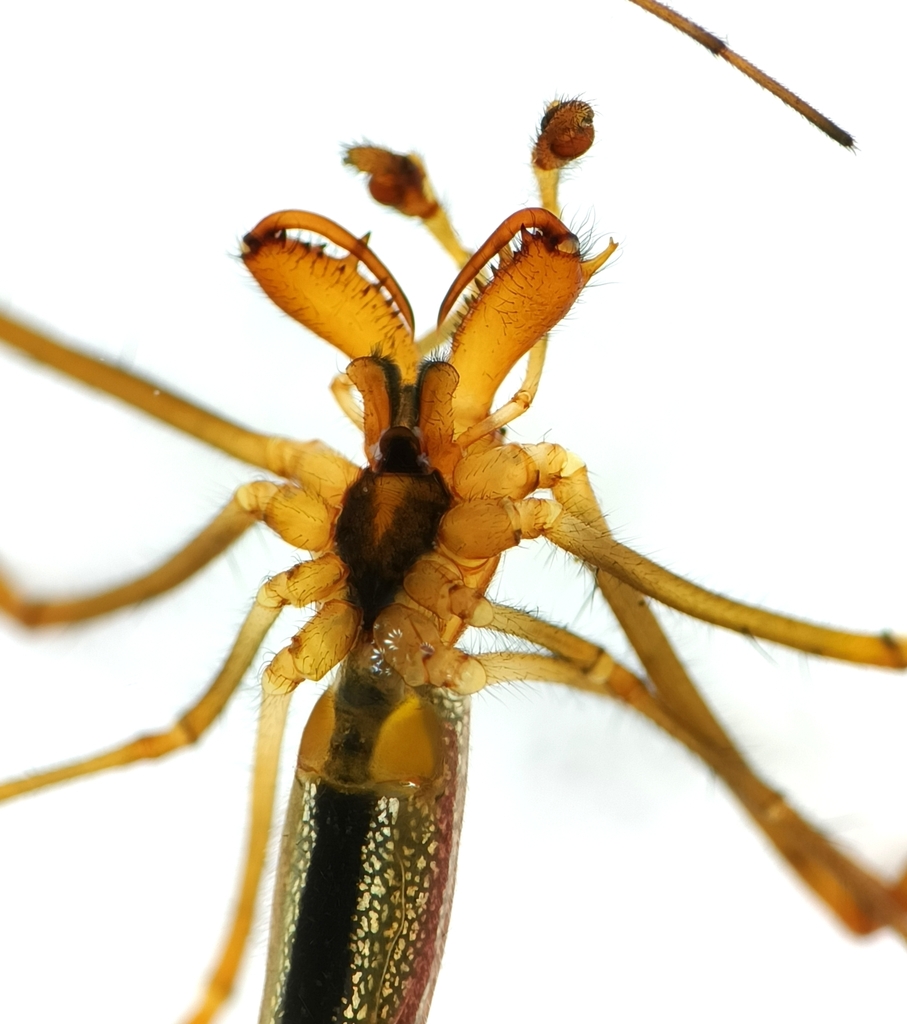
—observations
—countries
—peak records
Least ConcernConservation statusIUCN Red List categoriesLCNTVUENCREWEXLeast ConcernRed List categories, explained →
Diet & preyMidges, Mosquitoes, Mayflies
Predators
- Riparian birds
- Frogs
- Dragonflies
ThreatsWetland drainage, pesticide runoff, and shoreline development
HabitatsWetlands, marshes, riverbanks, lake margins, and damp meadows
Life span1 year
Classification
- OrderAraneae
- FamilyTetragnathidae
- GenusTetragnatha
- SpeciesTetragnatha extensa
Range data is not available yet.
Interaction riskLow
- Low
- Moderate
- High
- Very high
- Why interaction risk is low
- Safe to observe at a normal distance; bites are exceptionally rare and harmless.
Responsible observation
- Searching foliage: Scan reeds and emergent grasses near calm water at dawn or dusk.
- Spotting camouflage: Look for slender sticks that reveal distinct joints upon close inspection.
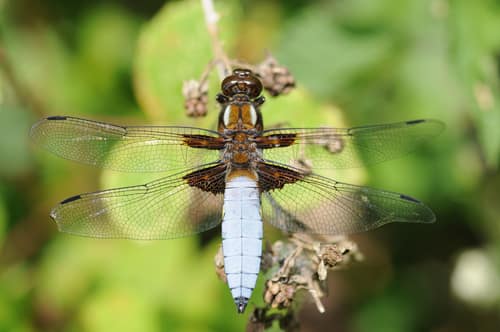
Predator (c) Thomas Bresson, some rights reserved (CC BY) · cc-by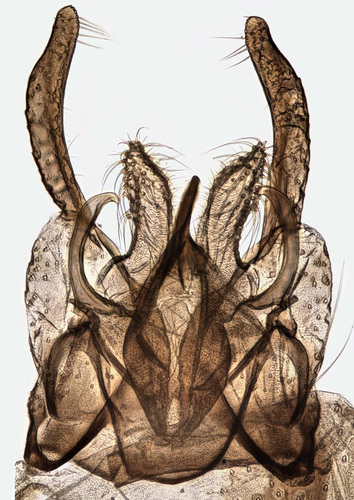
Prey (c) Janet Graham, some rights reserved (CC BY) · cc-by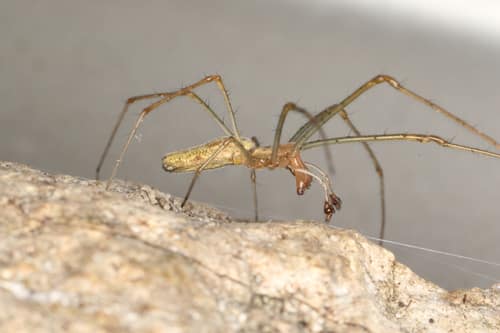
Close Relative (c) Donald Hobern, some rights reserved (CC BY) · cc-by Image unavailable
Close Relative
Help improve the field guideSomething wrong?
Checking your Fauna account…Report a name, category, or profile issue for review.