
Arachnid · GBIF taxon 2147079
Rabid Wolf Spider
Rabidosa rabidaAlso known as Rabid Spider
Rabid wolf spiders are agile nocturnal hunters that stalk prey across field foliage and leaf litter rather than building webs. Females carry their silk egg sacs attached to their spinnerets and later bear dozens of newly hatched spiderlings on their abdomens. Despite their alarming name, their fast and erratic movement is simply a characteristic hunting stride rather than a sign of disease.
NocturnalActive HunterArachnid
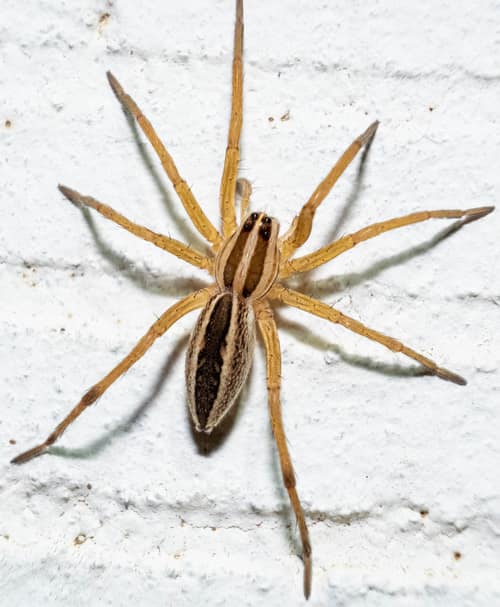
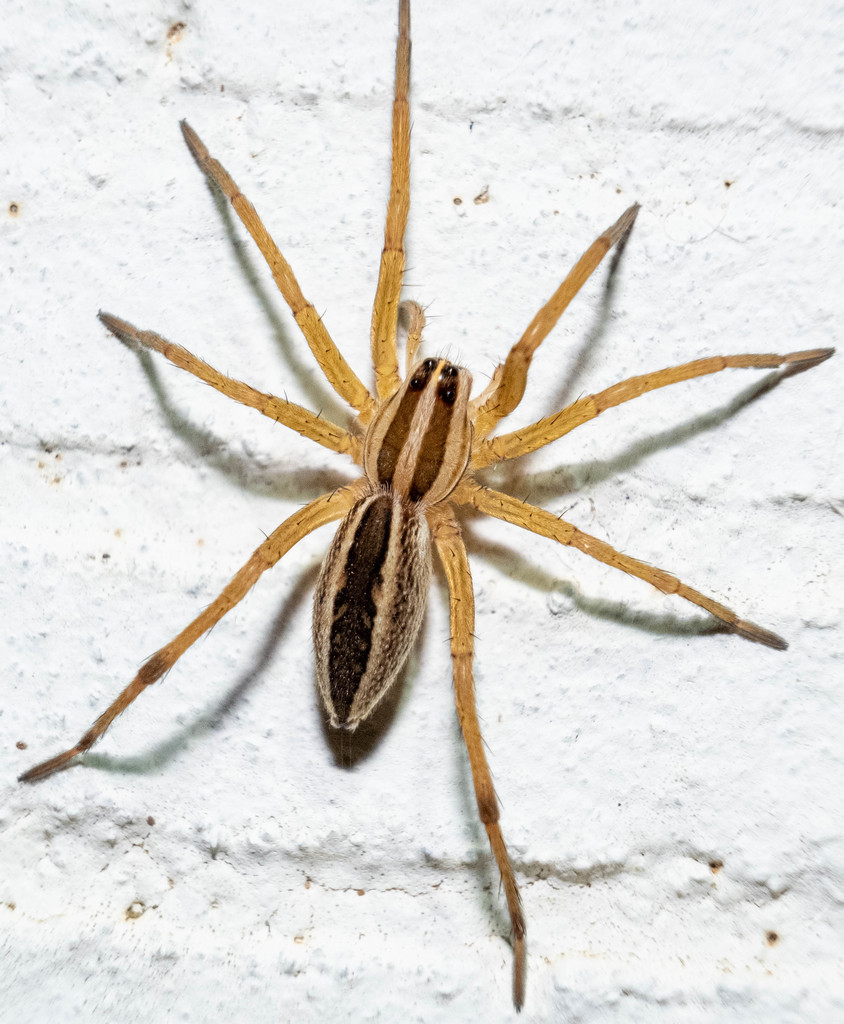
—observations
—countries
—peak records
Not EvaluatedConservation statusIUCN Red List categoriesLCNTVUENCREWEXNot Evaluated — not placed on the risk ladderRed List categories, explained →
Diet & prey
- Crickets
- Cockroaches
- Ants
Predators
- Birds
- Toads
- Spider wasps
ThreatsPesticide exposure and localized habitat loss
HabitatsFields, tall grass, leaf litter, woodlands, and suburban lawns
Life span1–2 years
Size / weightNot available
Classification
- OrderAraneae
- FamilyLycosidae
- GenusRabidosa
- SpeciesRabidosa rabida
Range data is not available yet.
Interaction riskLow
- Low
- Moderate
- High
- Very high
- Why interaction risk is low
- Bites are mild and occur only when pinched; observe safely without physical contact.
Responsible observation
- Spotlight Inspection: Hold a flashlight near eye level at night to spot the brilliant green reflection of their eye tapetum.
- Gentle Observation: Allow them to move freely on lawn edges where they provide natural insect pest control.
- Safe Handling: Avoid trapping against bare skin, as defensive bites can occur if squeezed.
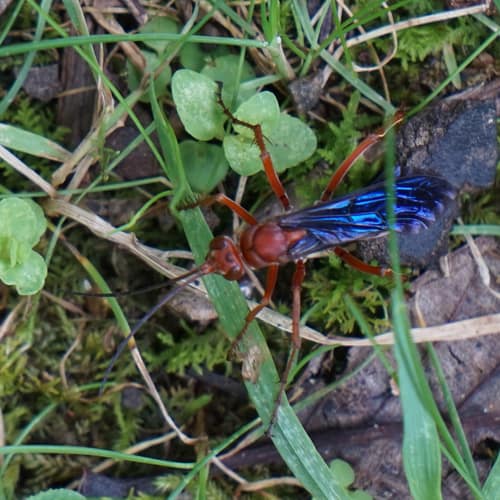
Predator (c) stephen, some rights reserved (CC BY) · cc-by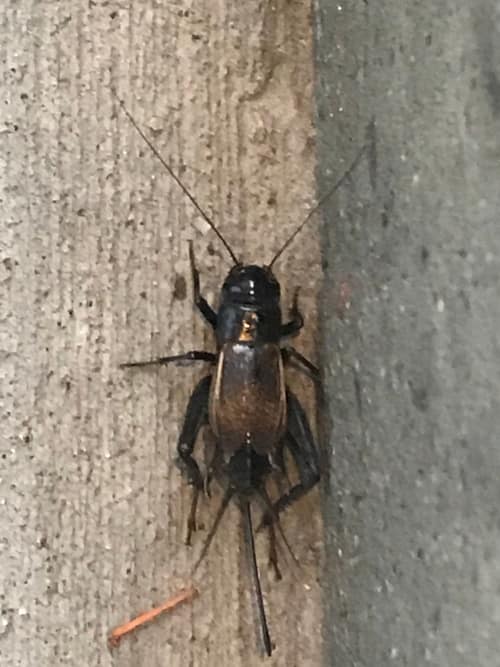
Prey (c) Declan McCabe, some rights reserved (CC BY), uploaded by Declan McCabe · cc-by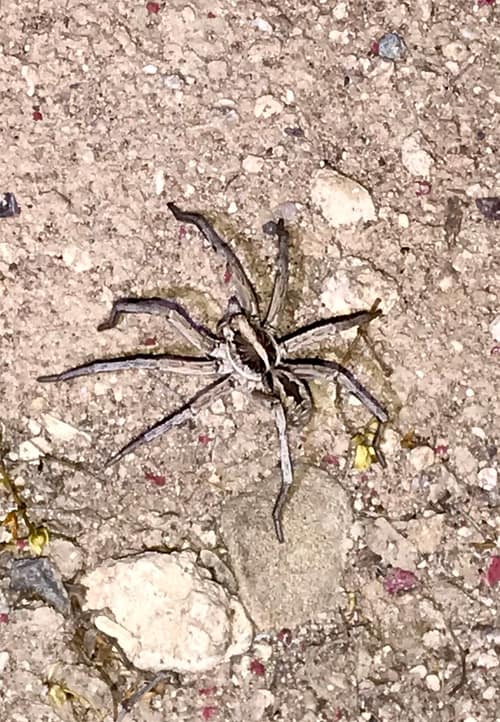
Close Relative (c) CK2AZ, some rights reserved (CC BY), uploaded by CK2AZ · cc-by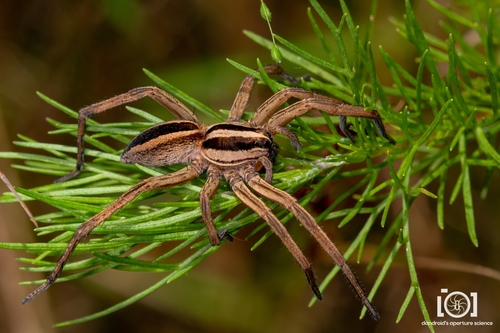
Close Relative no rights reserved, uploaded by Lyn Roueche · cc0
Help improve the field guideSomething wrong?
Checking your Fauna account…Report a name, category, or profile issue for review.