
Arachnid
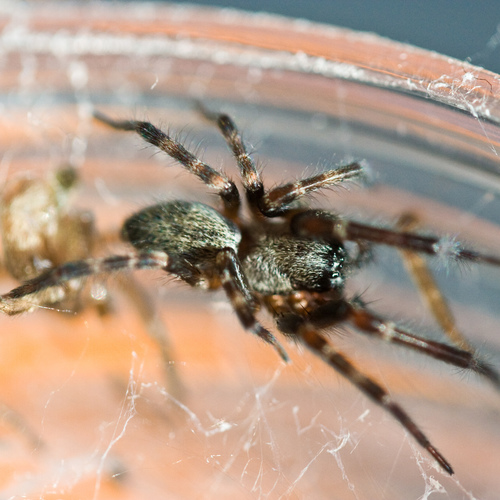
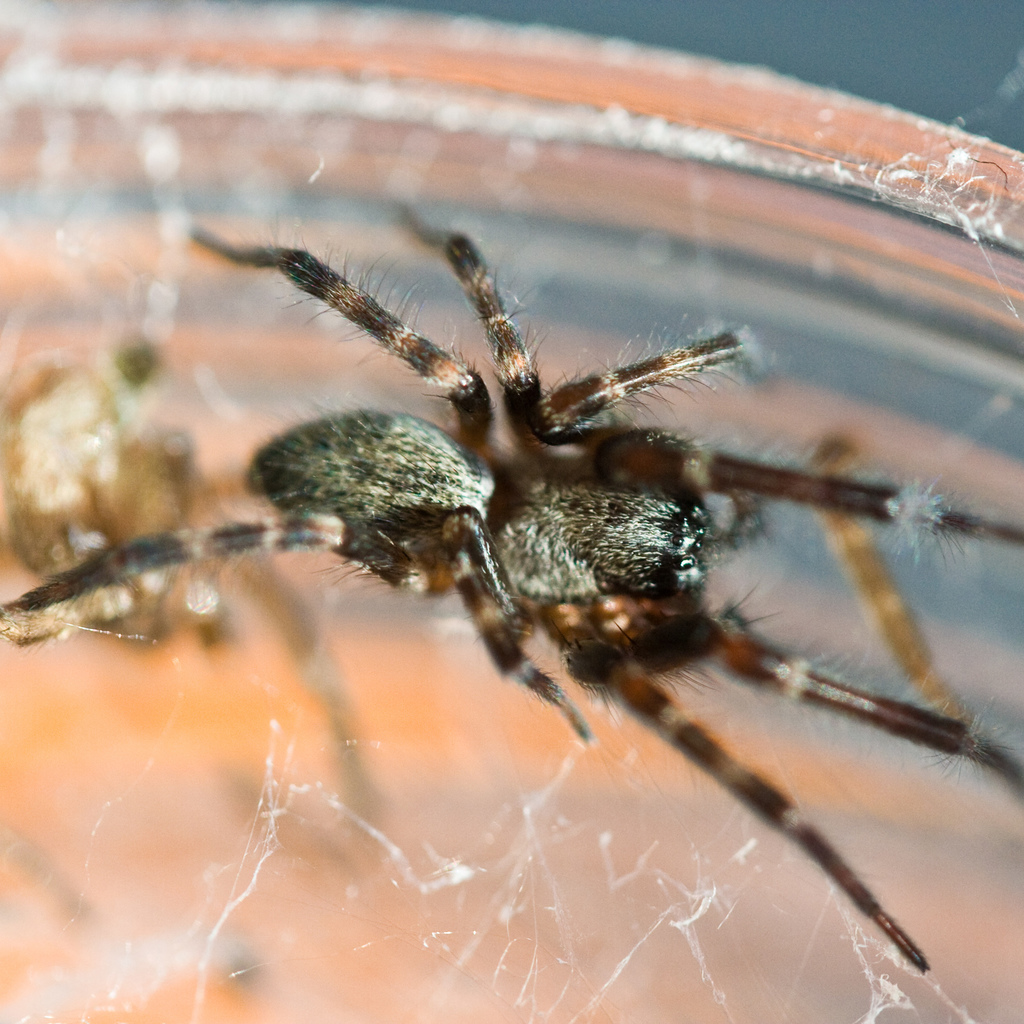
Grey House Spider
Badumna longinquaAlso known as Australian Grey House Spider
Grey house spiders weave distinctive, tangled webs composed of cribellate, woolly silk radiating from a central funnel retreat hidden in wall crevices or rough tree bark. Nocturnal hunters, females remain sheltered deep in their funnels by day and rush outward at night when an insect vibrates the outer cribellate snare. Highly adapted to anthropogenic environments, they frequently colonize window frames, fence posts, and outbuildings across introduced temperate coastlines.
NocturnalWeb BuilderUrban Wildlife
—observations
—countries
—peak records
Not EvaluatedConservation statusIUCN Red List categoriesLCNTVUENCREWEXNot Evaluated — not placed on the risk ladderRed List categories, explained →
Diet & preyFlies, Moths, Ants
Predators
- Spider wasps
- Jumping spiders
- Insectivorous birds
ThreatsPesticide application, direct human extermination, and predation by wasps
HabitatsUrban and suburban buildings, fences, gardens, tree trunks, and coastal scrub
Life span1–2 years
Classification
- OrderAraneae
- FamilyDesidae
- GenusBadumna
- SpeciesBadumna longinqua
Range data is not available yet.
Interaction riskVery high
- Low
- Moderate
- High
- Very high
- Why interaction risk is very high
- Harmless; bites are rare, mild, and non-toxic to humans.
Responsible observation
- Look at Night: Use a flashlight after dark to spot them waiting near their funnel entrance.
- Web Recognition: Look for untidy, woolly lace-like webs on window sills and fence corners.
- Observe from Outside: Allow them to remain undisturbed on exterior walls where they control pest insects.
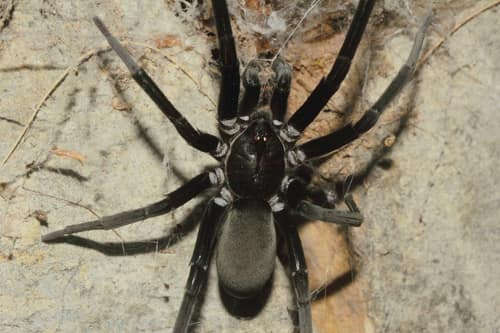
Ecological Analog (c) Juan Cruzado Cortés, some rights reserved (CC BY-SA), uploaded by Juan Cruzado Cortés · cc-by-sa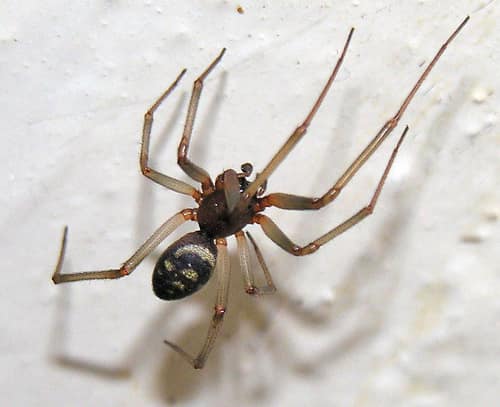
Competitor (c) anonymous, some rights reserved (CC BY-SA) · cc-by-sa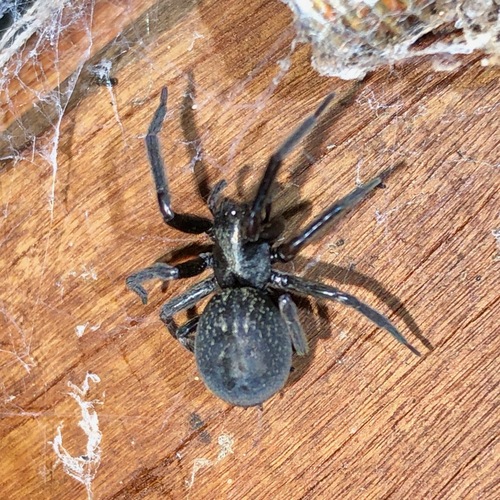
Close Relative (c) James K. Douch, some rights reserved (CC BY-SA) · cc-by-sa
Help improve the field guideSomething wrong?
Checking your Fauna account…Report a name, category, or profile issue for review.