
Arachnid
Barn Funnel Weaver
Tegenaria domesticaAlso known as Domestic House Spider, Lesser House Spider
Barn funnel weavers construct flat, sheet-like webs anchored in dim corners, tapering backward into a hollow silk tube where the spider sits concealed. When wandering insects trip the non-sticky tripwires above the sheet, the weaver darts out with astonishing speed to seize and subdue its target. Thriving in cool masonry, outbuildings, and neglected indoor spaces, these shy nocturnal predators quietly control household pests without venturing far from their refuges.
Web WeaverSynanthropicNocturnal
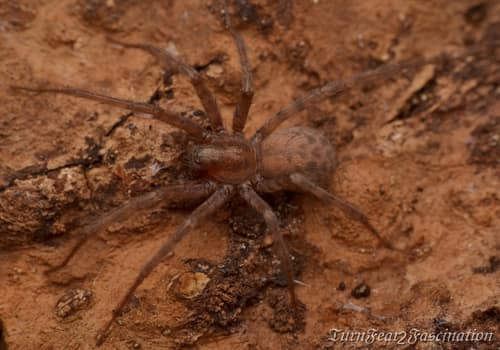
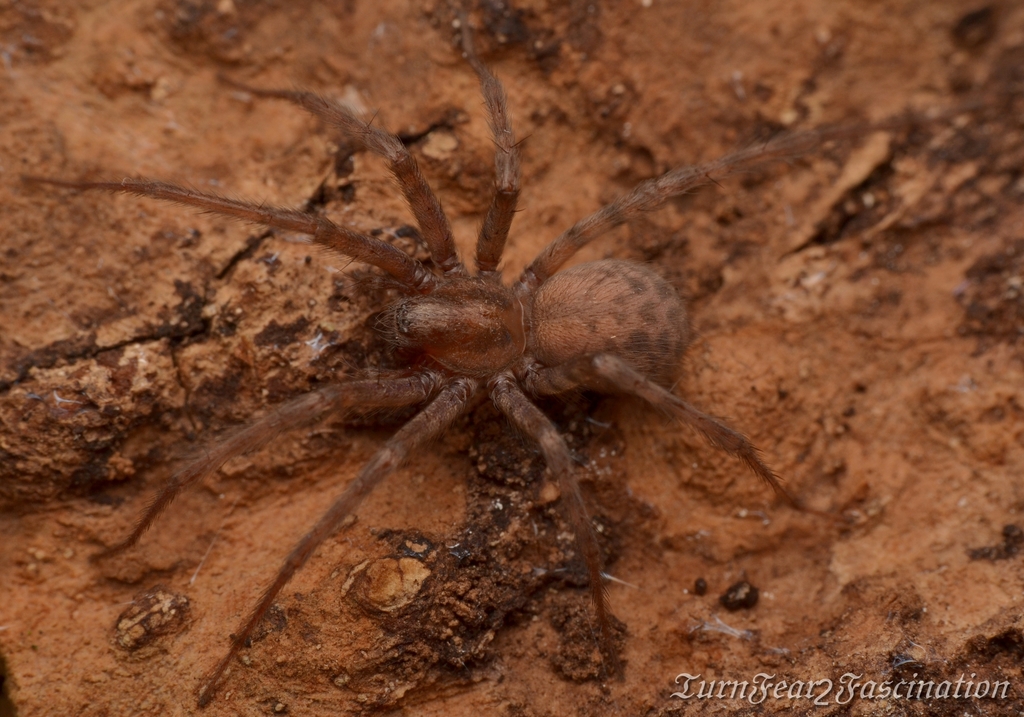
—observations
—countries
—peak records
Not EvaluatedConservation statusIUCN Red List categoriesLCNTVUENCREWEXNot Evaluated — not placed on the risk ladderRed List categories, explained →
Diet & preyHouse Flies, Silverfish, Clothes Moths
Predators
- Cellar Spiders
- Centipedes
- Domestic Cats
ThreatsHousehold cleaning, chemical pesticides, and competition from larger house spiders
HabitatsBarns, sheds, cellars, undisturbed corners of houses, rock piles, and caves
Life span1–7 years (females live several years, while males typically survive 1–2 seasons)
Classification
- OrderAraneae
- FamilyAgelenidae
- GenusTegenaria
- SpeciesTegenaria domestica
Range data is not available yet.
Interaction riskLow
- Low
- Moderate
- High
- Very high
- Why interaction risk is low
- Harmless to humans and safe to observe at close range.
Responsible observation
- Web Spotting: Look in undisturbed basement corners, crawl spaces, and tool sheds for flat horizontal sheets.
- Gentle Observation: Use a soft red or dim flashlight at night to spot the spider resting at its funnel entrance.
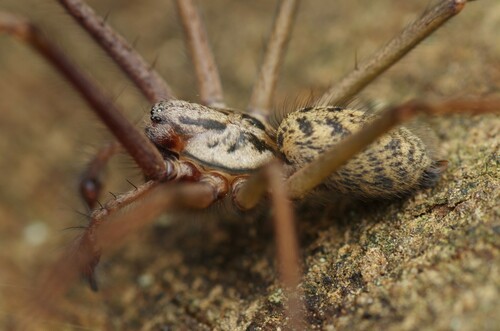
Competitor (c) Ludivine Lamare, some rights reserved (CC BY), uploaded by Ludivine Lamare · cc-by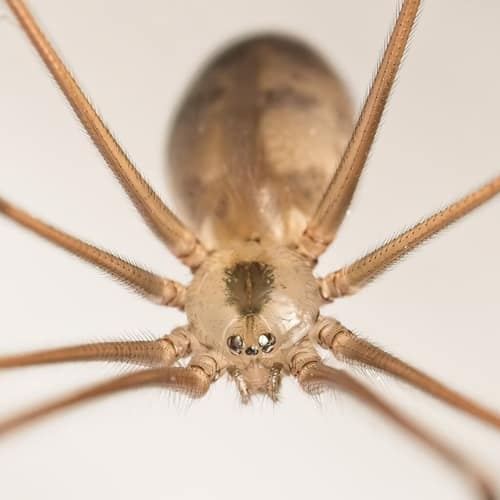
Predator (c) Michael, some rights reserved (CC BY), uploaded by Michael · cc-by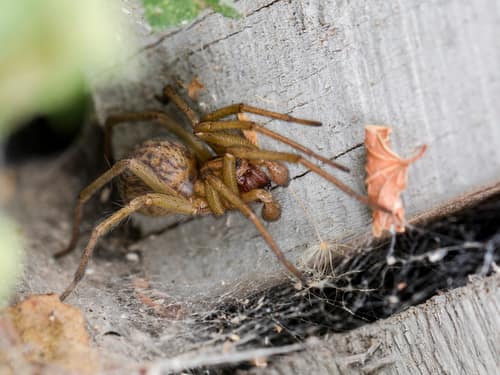
Close Relative (c) Анатолий Озерной /Anatoly Ozernoy, some rights reserved (CC BY-SA) · cc-by-sa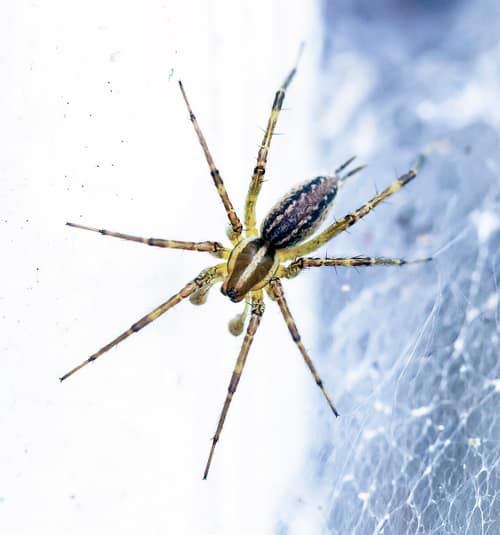
Close Relative WanderingMogwai / CC BY-SA 4.0 · cc-by-sa
Help improve the field guideSomething wrong?
Checking your Fauna account…Report a name, category, or profile issue for review.