
Arachnid · GBIF taxon 2139668
Potter's Grass Spider
Agelenopsis potteriPotter's grass spiders weave dense, non-sticky sheet webs leading into a protected tubular retreat among low vegetation, foundation cracks, and woodpiles. When prey lands on the flat expanse, the spider detects vibrations and dashes out with blistering speed to bite and subdue the insect before dragging it back into the funnel. Autumn brings mature males wandering in search of mates, a courtship ritual involving precise palpal tapping to avoid being mistaken for prey.
Web BuilderNocturnalBeneficial Predator
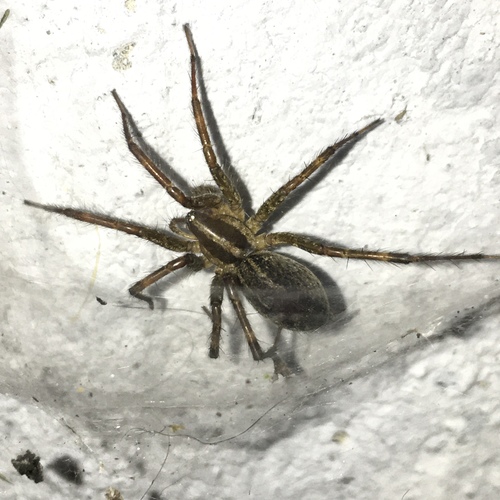
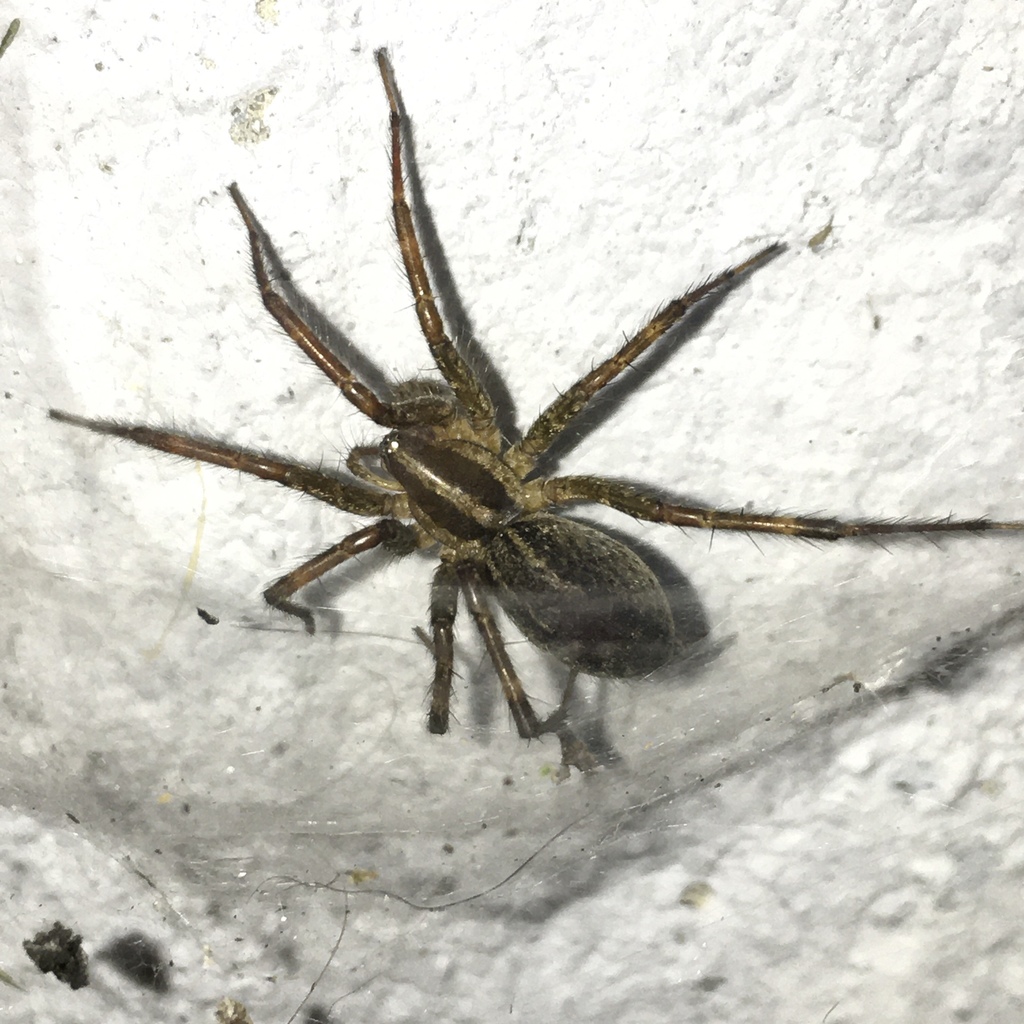
—observations
—countries
—peak records
Not EvaluatedConservation statusIUCN Red List categoriesLCNTVUENCREWEXNot Evaluated — not placed on the risk ladderRed List categories, explained →
Diet & prey
- House flies
- Field crickets
- Moths
Predators
- Insectivorous birds
- Spider wasps
- Toads
ThreatsPesticide application and widespread habitat clearing
HabitatsMeadows, grasslands, garden borders, woodpiles, and building foundations
Life spanAbout 1 year
Classification
- FamilyAgelenidae
- SpeciesAgelenopsis potteri
Range data is not available yet.
Interaction riskLow
- Low
- Moderate
- High
- Very high
- Why interaction risk is low
- Bites are rare and medically trivial; safe to observe up close.
Responsible observation
- Spotting webs: Look for dew-covered sheet webs across lawn edges and low shrubs on cool mornings.
- Gentle observation: Lightly vibrating the outer web with a blade of grass can tempt the spider out of its funnel.
- Handling: Best left undisturbed on their webs; while docile, they move exceptionally fast when startled.
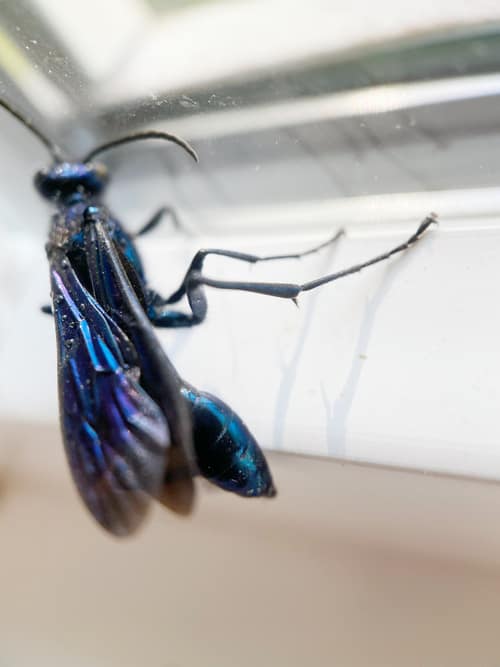
Predator (c) Nathan Odgers, some rights reserved (CC BY) · cc-by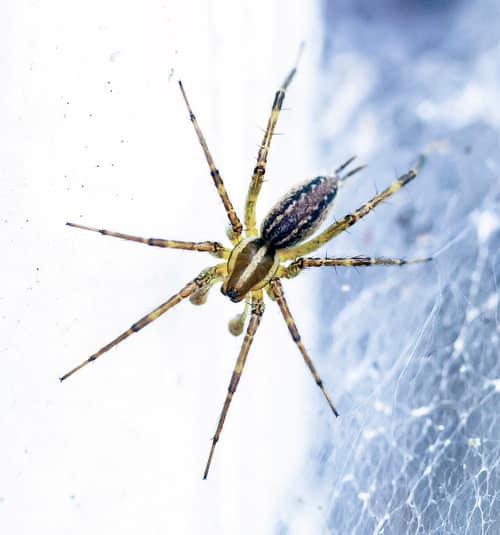
Close Relative WanderingMogwai / CC BY-SA 4.0 · cc-by-sa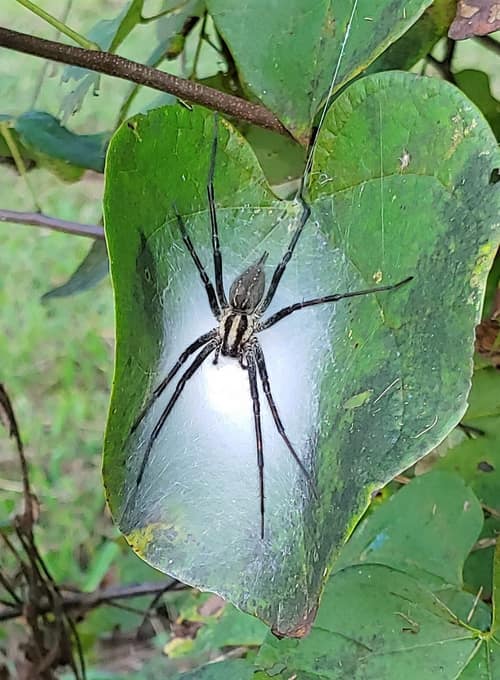
Close Relative (c) Curtis Burke, some rights reserved (CC BY) · cc-by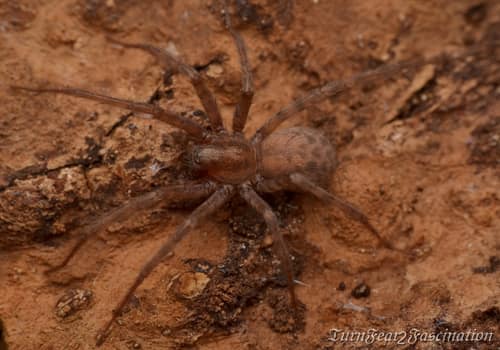
Same Family (c) Tone Killick, some rights reserved (CC BY), uploaded by Tone Killick · cc-by
Help improve the field guideSomething wrong?
Checking your Fauna account…Report a name, category, or profile issue for review.