
Arachnid · GBIF taxon 2131823
Human Face Mite
Demodex brevisAlso known as Short Face Mite, Sebaceous Gland Mite
These microscopic arachnids inhabit the sebaceous glands connected to hair follicles across human facial skin, particularly around the nose, eyelids, and forehead. With semi-translucent, elongated bodies and eight stubby clawed legs, individuals emerge nocturnally onto the skin surface to mate before females return deep into glandular ducts to deposit eggs. Virtually every adult human hosts a thriving, benign population that survives primarily by digesting secreted sebum.
MicroscopicCommensalNocturnal
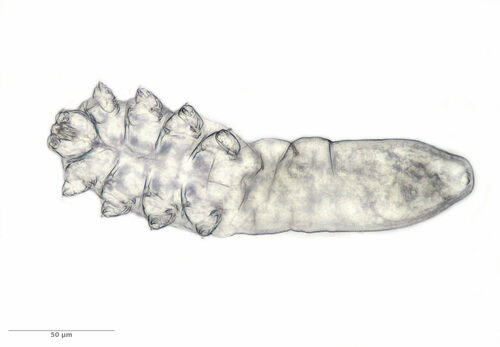
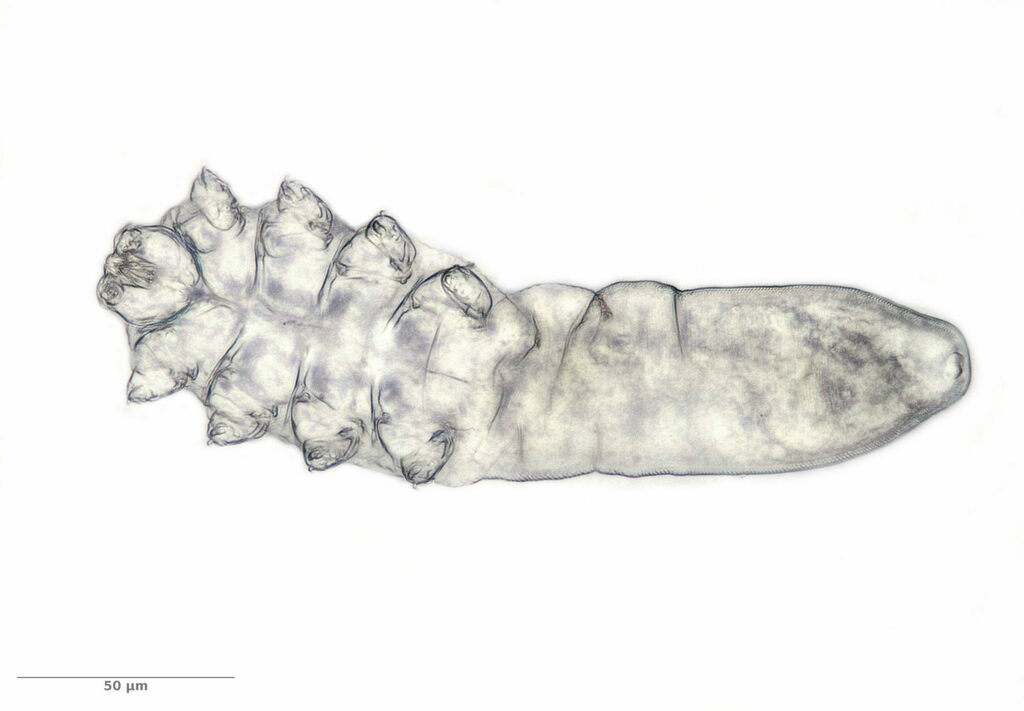
—observations
—countries
—peak records
Not EvaluatedConservation statusIUCN Red List categoriesLCNTVUENCREWEXNot Evaluated — not placed on the risk ladderRed List categories, explained →
Diet & prey
- Human sebum
- Skin epithelial cells
ThreatsTopical acaricides, deep cleansers, and host immune inflammation
HabitatsHuman sebaceous glands and Meibomian glands
Life span14–18 days
Classification
- FamilyDemodecidae
- SpeciesDemodex brevis
Range data is not available yet.
Interaction riskLow
- Low
- Moderate
- High
- Very high
- Why interaction risk is low
- Harmless natural commensal of human skin; poses no direct threat.
Responsible observation
- Microscopic Viewing: Mount skin sebum scrapings in mineral oil under high magnification to spot live adults.
- Skin Care: Maintain routine gentle face washing to balance facial oils without damaging the skin barrier.
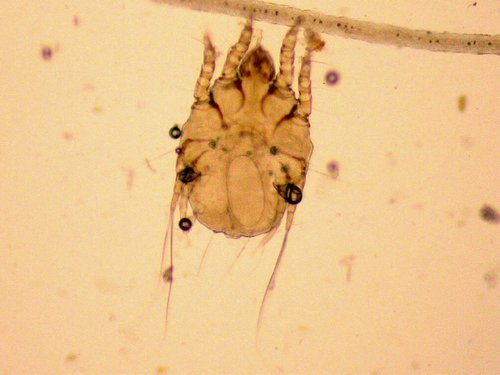
Skin Parasite (c) laboratorio diagnostica ancona IZSUM, some rights reserved (CC BY) · cc-by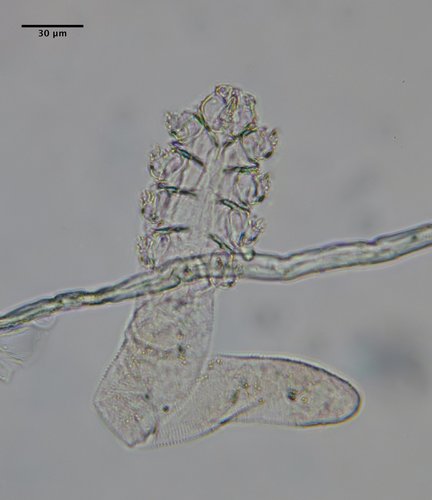
Close Relative (c) Don Loarie, some rights reserved (CC BY), uploaded by Don Loarie · cc-by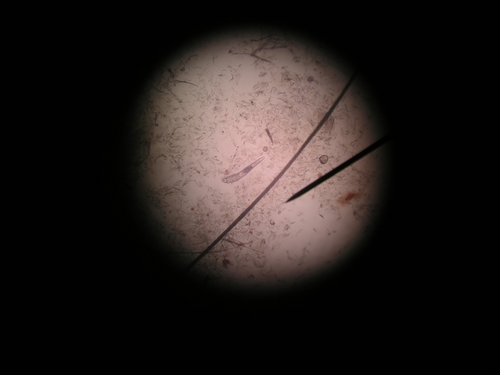
Close Relative (c) bill rix, some rights reserved (CC BY-SA) · cc-by-sa
Help improve the field guideSomething wrong?
Checking your Fauna account…Report a name, category, or profile issue for review.