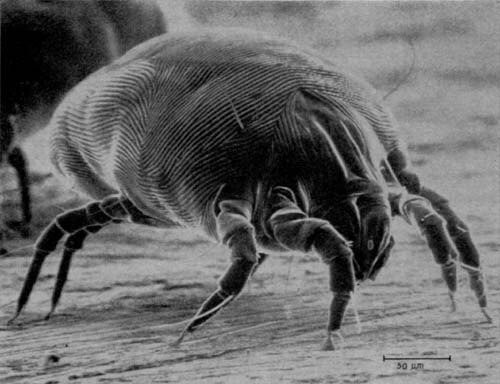
Cheyletus eruditus is a microscopic, fast-moving predatory mite armed with oversized, pincer-like pedipalps used to seize and drain smaller mites and insect eggs. Found worldwide in stored grain, hay, house dust, and bird nests, females lay clutches of eggs and guard them until they hatch, a rare display of maternal care among mites. Because it thrives on pest species like flour mites and poultry red mites, agricultural managers widely deploy it as a biological control agent in silos and barns.
ThreatsPesticide use in grain storage, extreme dry heat, and starvation when prey populations collapse
HabitatsStored grain, hay, flour mills, house dust, bird nests, and animal bedding
Life span2 to 4 months as an adult, depending on temperature and prey availability
Classification
FamilyCheyletidae
SpeciesCheyletus eruditus
Range & activity
Range data is not available yet.
Safe observation
Interaction riskLow
Low
Moderate
High
Very high
Why interaction risk is low
Microscopic; dense populations in stored grain or hay can cause itchy skin irritation on contact.
Why it is dangerous
High densities in infested grain, hay, or dust can cause contact dermatitis and mild allergic reactions when mites probe human skin or shed allergenic proteins.
How to recognize a risky encounter
Barely visible to the naked eye as tiny, pale yellowish-brown specks moving rapidly among grain dust, flour, or bedding.
What to do
Wear gloves and a dust mask when handling heavily infested grain or hay, and wash exposed skin promptly with soap and water.
Responsible observation
Magnification: Use a 10x to 20x hand lens or dissecting microscope to spot the oversized, curved pedipalps.
Storage Hygiene: Keep dry goods, grain, and pet food in sealed containers at low humidity to prevent mite outbreaks.
Biocontrol Use: Avoid broad-spectrum miticides in barns or silos when relying on these predators to suppress pest mites.

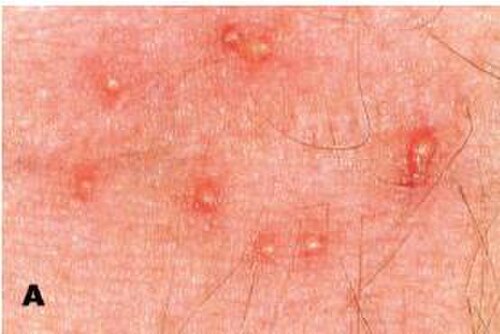
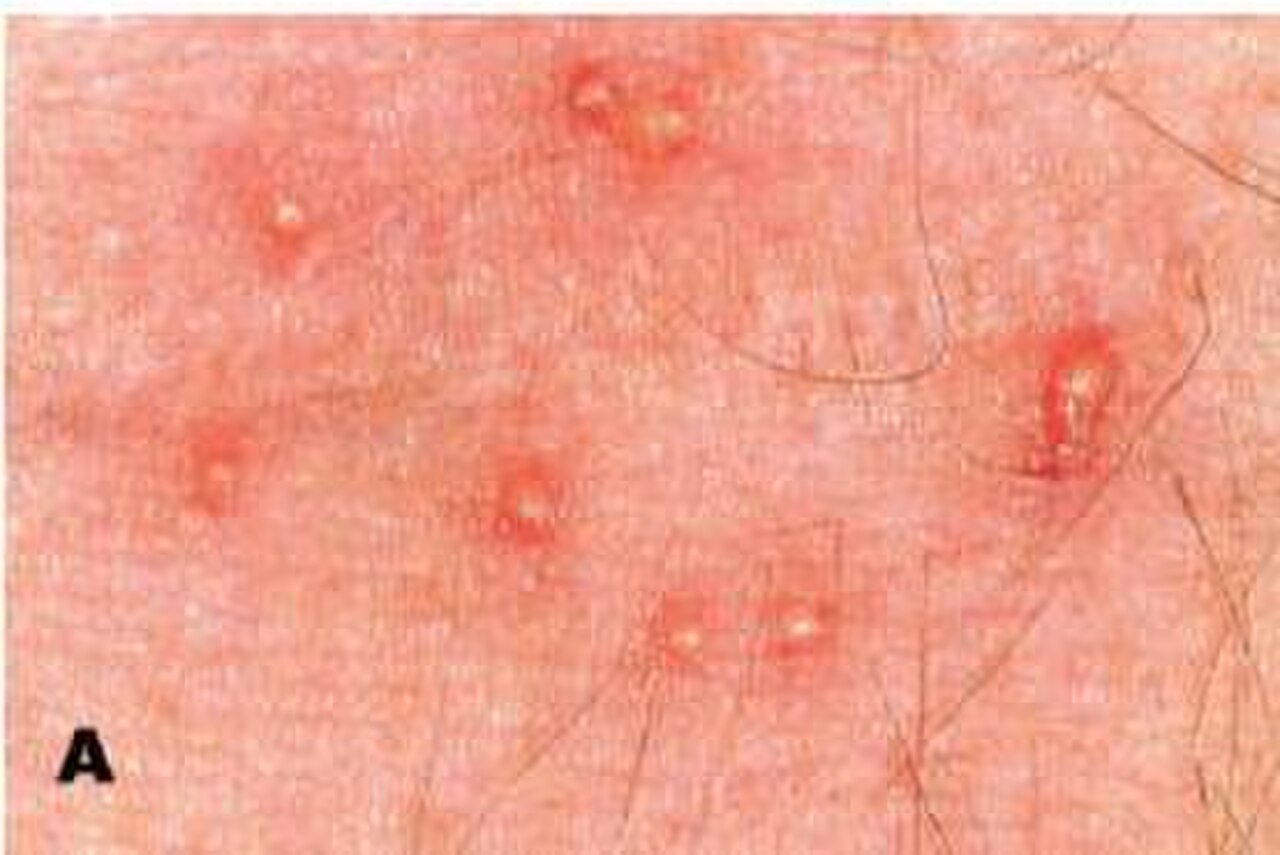
 Image unavailable