
Arachnid
Twospotted Spider Mite
Tetranychus urticaeAlso known as Red Spider Mite, Glasshouse Spider Mite
Twospotted spider mites pierce individual plant cells with needle-like mouthparts, draining chlorophyll until leaves develop a characteristic pale stippling. Colonies spin fine silk webbing across leaf undersides to shield their eggs and nymphs from wind, rain, and predators. Warm, dry weather accelerates their life cycle from egg to adult in under a week, while shortening autumn days trigger overwintering females to turn bright orange-red.
MicroscopicSilk-spinningCosmopolitan
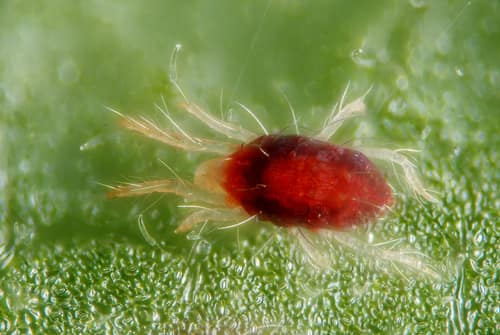
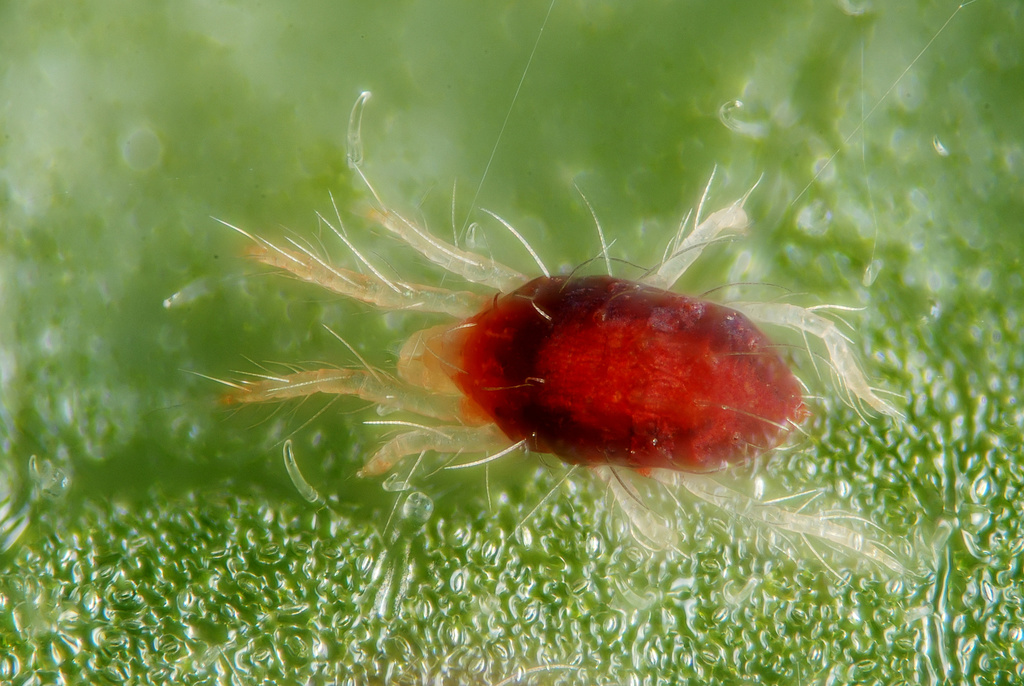
—observations
—countries
—peak records
Not EvaluatedConservation statusIUCN Red List categoriesLCNTVUENCREWEXNot Evaluated — not placed on the risk ladderRed List categories, explained →
Diet & preyPlant cell contents, Leaf sap, Soft foliage
Predators
- Predatory mites
- Ladybugs
- Minute pirate bugs
ThreatsPredatory mites, ladybugs, minute pirate bugs, and heavy rainfall
HabitatsGardens, greenhouses, agricultural fields, orchards, and wild vegetation
Life span2–4 weeks in warm weather; overwintering females live several months
Classification
- FamilyTetranychidae
- SpeciesTetranychus urticae
Range data is not available yet.
Interaction riskLow
- Low
- Moderate
- High
- Very high
- Why interaction risk is low
- Safe to observe at a normal distance; poses no threat to humans or pets.
Responsible observation
- Hand Lens: Use a 10x magnifier to spot the two dark spots on pale green or amber bodies.
- Leaf Undersides: Check beneath stippled or yellowing leaves for fine, dusty silk webbing.
- Paper Test: Tap a suspect leaf over white paper to see tiny mites scurrying across.
 Image unavailable
Predator Predator Predator 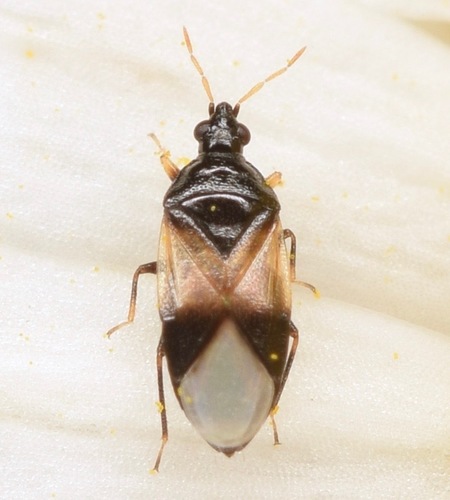
Predator (c) skitterbug, some rights reserved (CC BY), uploaded by skitterbug · cc-byClose Relative Same Family
Help improve the field guideSomething wrong?
Checking your Fauna account…Report a name, category, or profile issue for review.