
Invertebrate
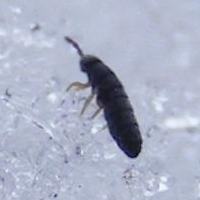
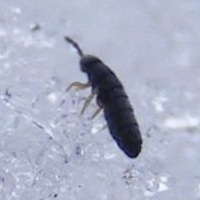
Hypogastrura nivicola
Hypogastrura nivicolaAlso known as Snow Flea
These tiny, dark blue springtails become famously conspicuous on sunny late-winter days, swarming by the thousands across melting snowdrifts to resemble spilled black pepper. A specialized glycine-rich antifreeze protein in their body fluids prevents internal ice formation, allowing them to remain active at sub-zero temperatures. Instead of wings, they propel themselves up to several centimeters through the air using a spring-loaded abdominal fork called a furcula.
DetritivoreWinter ActiveHexapod
—observations
—countries
—peak records
Not EvaluatedConservation statusIUCN Red List categoriesLCNTVUENCREWEXNot Evaluated — not placed on the risk ladderRed List categories, explained →
Diet & preyFungal spores, Unicellular algae, Decaying plant tissue
Predators
- Predatory mites
- Rove beetles
- Linyphiid spiders
ThreatsSevere leaf-litter removal and prolonged soil desiccation
HabitatsDeciduous and coniferous leaf litter, moss cushions, bark crevices, and surface snowpack
Life span1 to 2 years
Classification
- FamilyHypogastruridae
- SpeciesHypogastrura nivicola
Range data is not available yet.
Interaction riskLow
- Low
- Moderate
- High
- Very high
- Why interaction risk is low
- Completely harmless detritivore that does not bite, sting, or carry human parasites.
Responsible observation
- Winter Spotting: Look for dark pepper-like patches on melting snowbanks near the bases of large trees on warm, sunny afternoons.
- Macro Viewing: Use a hand lens or smartphone macro attachment to examine their tiny antennae and jumping apparatus.
- Habitat Care: Leave fallen leaves and decaying wood in garden margins to sustain their soil-enriching colonies.
 Image unavailable
Related Collembolan Related Collembolan Close Relative
Help improve the field guideSomething wrong?
Checking your Fauna account…Report a name, category, or profile issue for review.