
Invertebrate · GBIF taxon 2117581
Giant Antarctic Sea Spider
Colossendeis megalonyxAlso known as Antarctic Sea Spider, Giant Sea Spider
Giant Antarctic sea spiders roam freezing benthic ocean floors around the Antarctic continent, walking gracefully on legs that can span half a meter across. Due to polar gigantism enabled by high oxygen levels and cold waters, their bodies are so diminutive that major internal organs extend directly into their long legs. They use a tubelike proboscis to slowly feed on soft-bodied benthic invertebrates like sea anemones and hydroids.
PolarDeep SeaBenthic
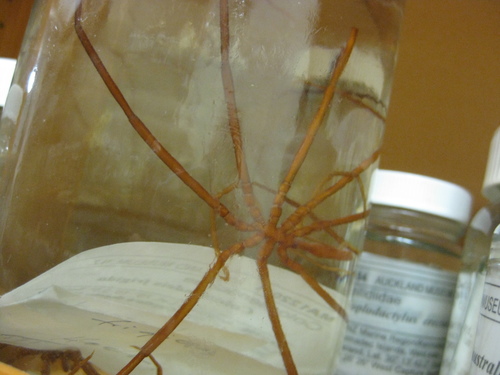
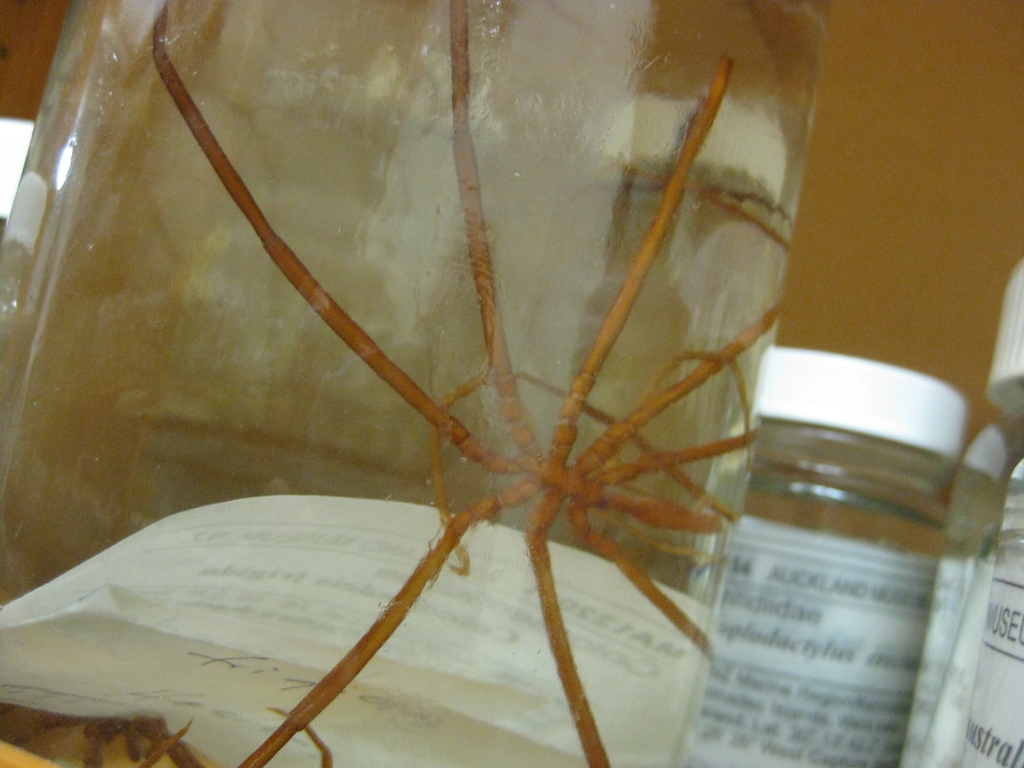
Licensed reference(c) Javier, some rights reserved (CC BY), uploaded by Javier · cc-by
—observations
—countries
—peak records
Not EvaluatedConservation statusIUCN Red List categoriesLCNTVUENCREWEXNot Evaluated — not placed on the risk ladderRed List categories, explained →
Diet & prey
- Sea Anemones
- Hydroids
- Sponges
Predators
- Benthic Fish
- Sea Stars
- Deep-Sea Crabs
ThreatsOcean warming and ocean acidification
HabitatsPolar benthic ocean floor and continental slopes
Life span15–30 years
Size / weightNot available
Classification
- FamilyColossendeidae
- SpeciesColossendeis megalonyx
Range data is not available yet.
Interaction riskLow
- Low
- Moderate
- High
- Very high
- Why interaction risk is low
- Safe to observe; inhabits deep Antarctic waters far beyond human contact.
Responsible observation
- Submersible viewing: Observe these deep ocean dwellers through remote submersibles or research footage.
- Habitat support: Advocate for Antarctic marine sanctuaries to protect slow-growing polar benthic life.
 Image unavailable
Temperate Kin Co-Inhabitant Close Relative
Help improve the field guideSomething wrong?
Checking your Fauna account…Report a name, category, or profile issue for review.