
Insect · GBIF taxon 2105457
Red-lipped Green Lacewing
Chrysoperla rufilabrisAlso known as Red-lipped Lacewing
Red-lipped green lacewings flutter through foliage on delicate, veined wings, identifiable by distinctive reddish markings across their facial cheeks. While adults feed mostly on sugary honeydew, nectar, and pollen, their sickle-jawed larvae are ferocious generalist predators nicknamed aphid lions. Widely propagated as commercial biocontrol agents, these insects actively suppress garden and orchard pests across North America.
Beneficial InsectNocturnalPredatory Larva
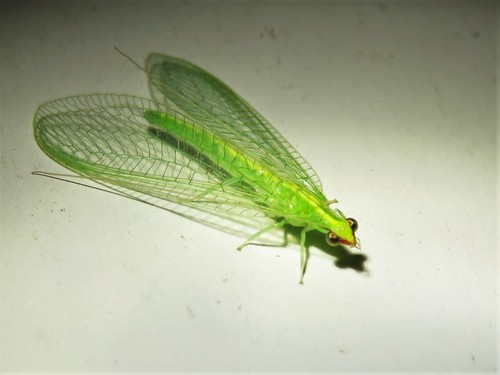
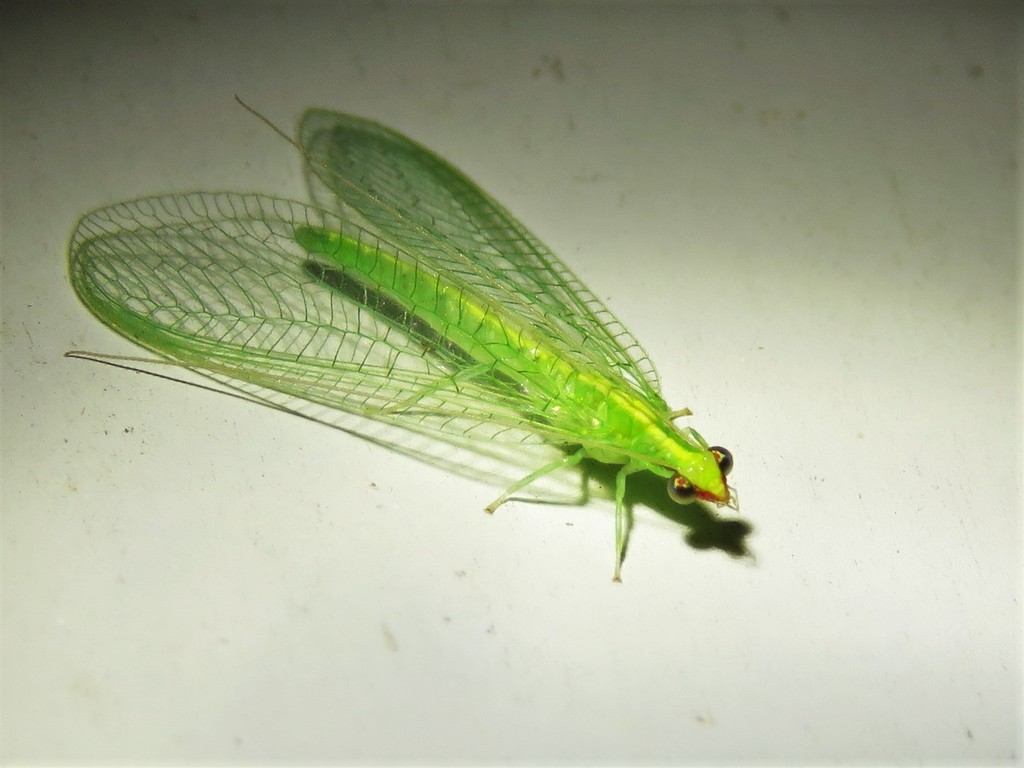 1 / 7
1 / 7—observations
—countries
—peak records
Not EvaluatedConservation statusIUCN Red List categoriesLCNTVUENCREWEXNot Evaluated — not placed on the risk ladderRed List categories, explained →
Diet & prey
- Aphids
- Spider mites
- Thrips
Predators
- Jumping spiders
- Insectivorous birds
- Bats
ThreatsBroad-spectrum chemical insecticide applications and habitat loss
HabitatsDeciduous forests, agricultural crops, orchards, suburban gardens, and grasslands
Life span4–6 weeks as an adult; 6–10 weeks total life cycle
Size / weightNot available
Classification
- FamilyChrysopidae
- SpeciesChrysoperla rufilabris
Range data is not available yet.
Interaction riskLow
- Low
- Moderate
- High
- Very high
- Why interaction risk is low
- Safe to observe at a normal distance.
Responsible observation
- Attracting to Gardens: Plant small-flowered herbs such as dill, cilantro, and sweet alyssum to supply adults with nectar.
- Nighttime Observation: Inspect illuminated porch lights or white window sheets on humid summer evenings where adults rest.
- Pest Management: Minimize broad-spectrum synthetic pesticides to allow wild larvae to naturally regulate pest populations.
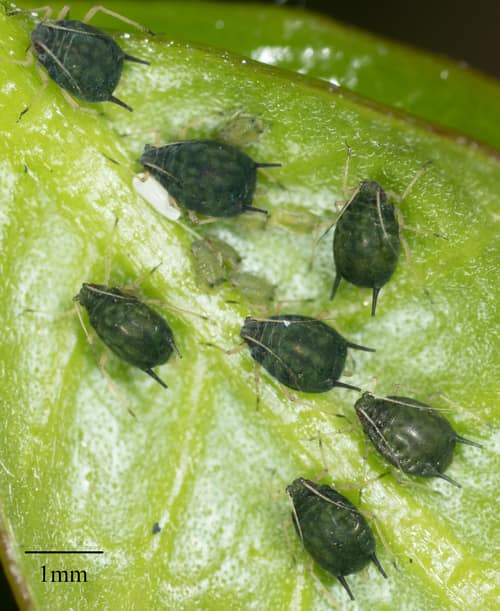
Prey no rights reserved, uploaded by Jesse Rorabaugh · cc0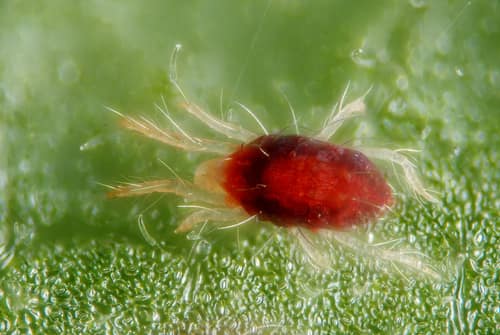
Prey (c) Gilles San Martin, some rights reserved (CC BY-SA) · cc-by-sa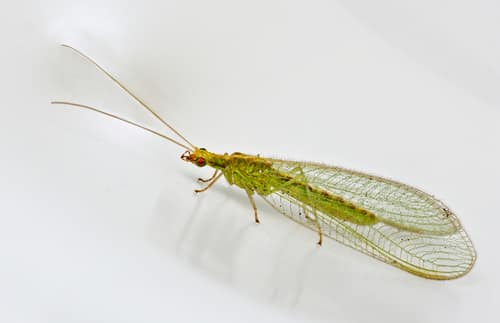
Close Relative (c) AJC1, some rights reserved (CC BY-SA) · cc-by-sa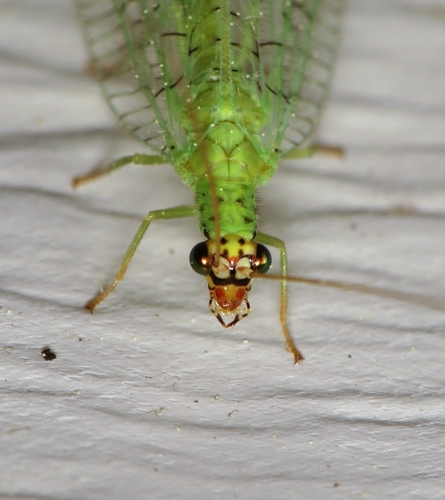
Same Family (c) Nick Block, some rights reserved (CC BY), uploaded by Nick Block · cc-by
Help improve the field guideSomething wrong?
Checking your Fauna account…Report a name, category, or profile issue for review.