
Insect · GBIF taxon 2105360
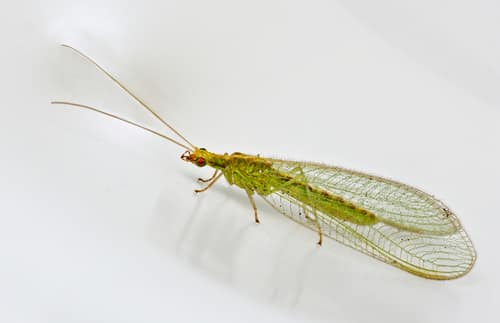
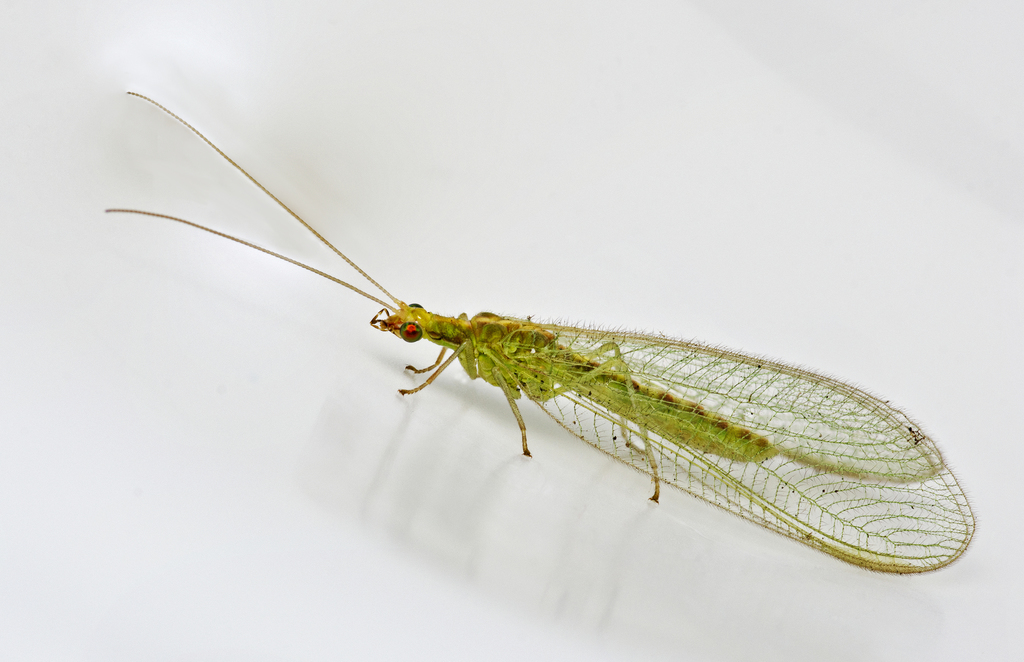
Common Green Lacewing
Chrysoperla carneaAlso known as Aphid Lion, Golden-Eyed Lacewing
Common green lacewings flutter gracefully around vegetation during twilight and night, drawn frequently to porch lights. Females deposit delicate eggs attached to plant stems by tiny silk stalks, protecting them from hungry ground predators. Their fierce larvae, known as aphid lions, use hollow sickle-like jaws to drain soft-bodied agricultural pests.
NocturnalBeneficial BugPredatory Larvae
—observations
—countries
—peak records
Not EvaluatedConservation statusIUCN Red List categoriesLCNTVUENCREWEXNot Evaluated — not placed on the risk ladderRed List categories, explained →
Diet & prey
- Aphids
- Spider Mites
- Thrips
Predators
- Birds
- Spiders
- Bats
ThreatsBroad-spectrum chemical insecticides
HabitatsAgricultural fields, gardens, meadows, and mixed woodlands
Life span4–6 weeks as adults
Size / weightNot available
Classification
- OrderNeuroptera
- FamilyChrysopidae
- GenusChrysoperla
- SpeciesChrysoperla carnea
Range data is not available yet.
Interaction riskLow
- Low
- Moderate
- High
- Very high
- Why interaction risk is low
- Safe to observe at a normal distance.
Responsible observation
- Attracting to Gardens: Plant nectar-rich flowers like dill, alyssum, and cosmos to encourage adult lacewings to lay eggs nearby.
- Night Observation: Look around outdoor lights on warm summer evenings where adult lacewings frequently rest.
- Handling Larvae: Avoid picking up larvae directly, as their powerful jaws can deliver a mild, harmless pinch.
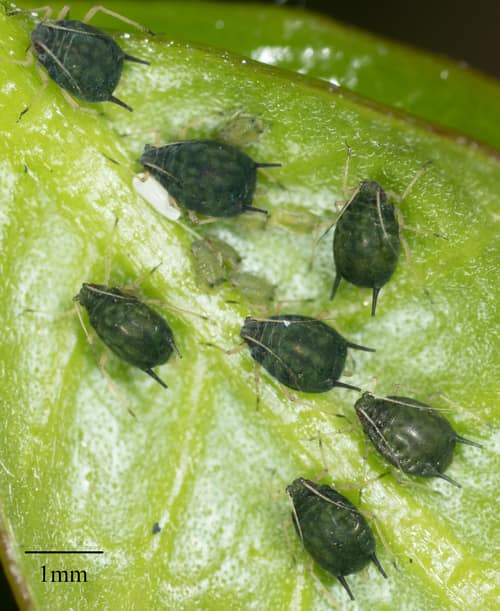
Prey no rights reserved, uploaded by Jesse Rorabaugh · cc0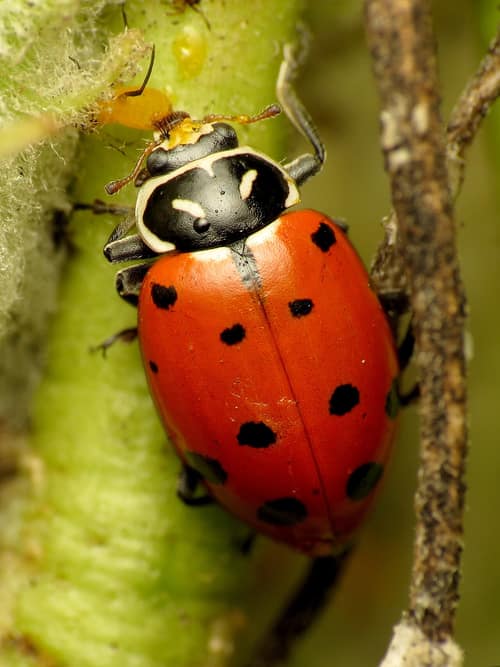
Competitor Katja Schulz from Washington, D. C., USA / CC BY 2.0 · cc-by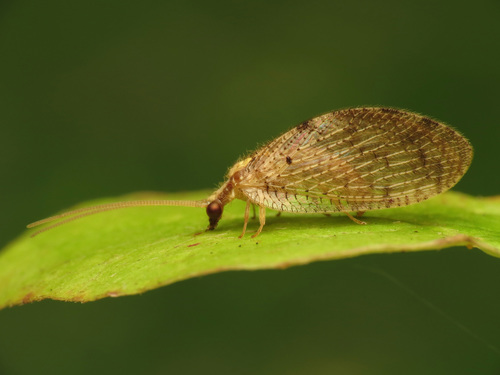
Close Relative (c) Katja Schulz, some rights reserved (CC BY) · cc-by
Help improve the field guideSomething wrong?
Checking your Fauna account…Report a name, category, or profile issue for review.