
Insect
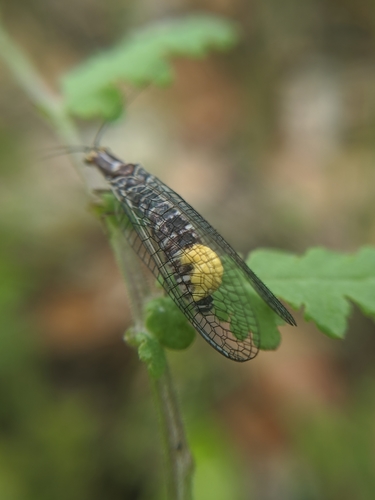
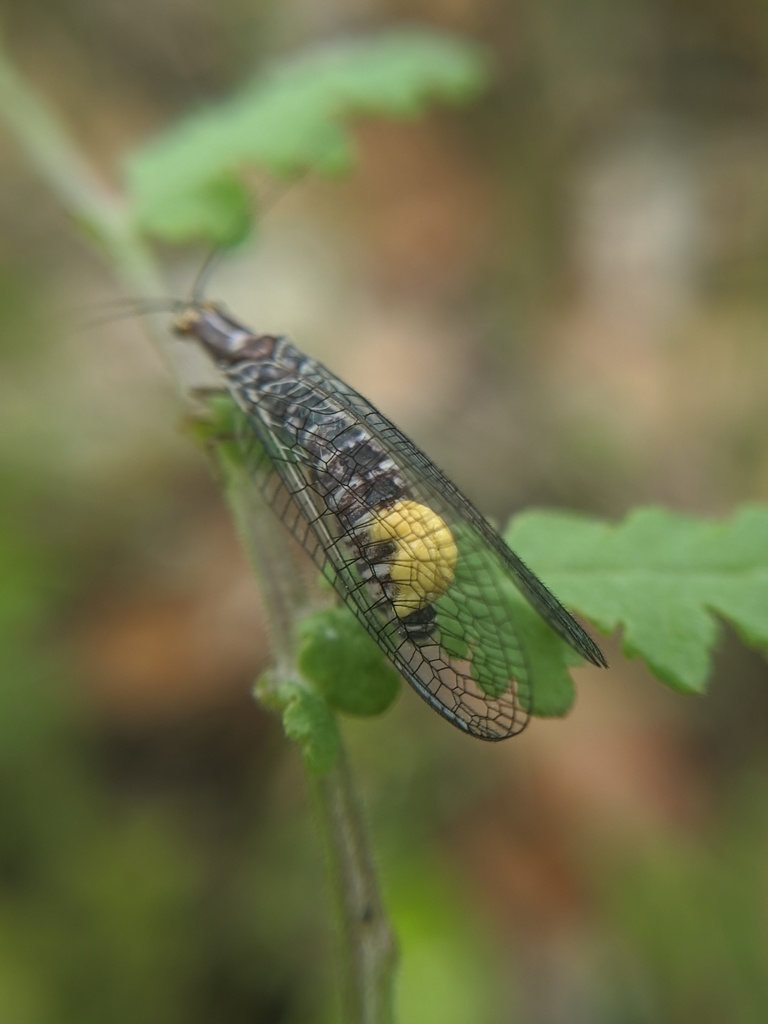
San Francisco Lacewing
Nothochrysa californicaAlso known as California Lacewing
San Francisco lacewings represent an ancient, relictual lineage within the green lacewing family, recognized by archaic wing venation and a distinctly robust build. Adults inhabit the canopies of native trees such as oaks and conifers, fluttering slowly through foliage during the warmer months. Both the bristled larvae and active adults are beneficial predators, devouring significant quantities of plant pests across coastal western North America.
Beneficial InsectPredatoryWoodland
—observations
—countries
—peak records
Not EvaluatedConservation statusIUCN Red List categoriesLCNTVUENCREWEXNot Evaluated — not placed on the risk ladderRed List categories, explained →
Diet & preyAphids, Scale insects, Psyllids
Predators
- Insectivorous birds
- Orb-weaver spiders
- Praying mantises
ThreatsHabitat loss from coastal development and broad-spectrum pesticide use
HabitatsOak woodlands, mixed evergreen forests, and coastal conifer stands
Life spanSeveral months as adults; up to 1 year including larval stages
Classification
- FamilyChrysopidae
- SpeciesNothochrysa californica
Range data is not available yet.
Interaction riskLow
- Low
- Moderate
- High
- Very high
- Why interaction risk is low
- Harmless to humans and pets; safe to observe at close range.
Responsible observation
- Lighting: Check outdoor porch lights or illuminated white sheets near woodlands on warm summer nights.
- Gentle Observation: Inspect tree bark and lower oak branches carefully without shaking the foliage.
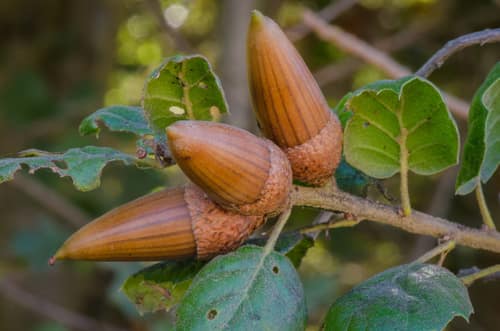
Host Plant (c) Franco Folini, some rights reserved (CC BY-SA) · cc-by-sa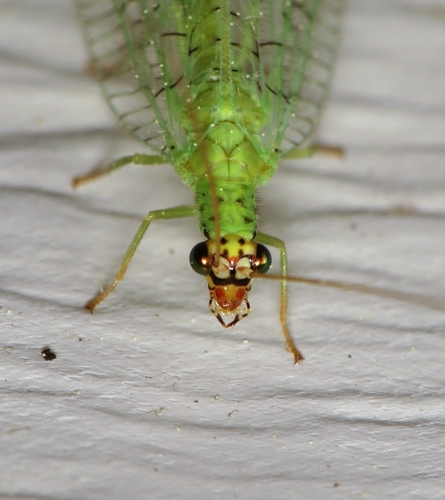
Same Family (c) Nick Block, some rights reserved (CC BY), uploaded by Nick Block · cc-by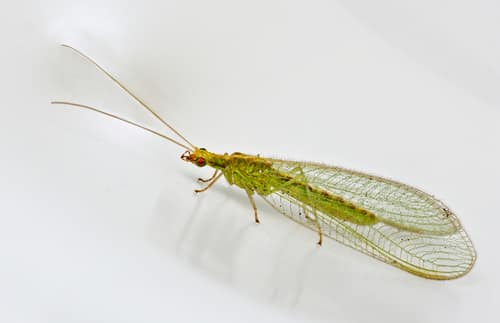
Same Family (c) AJC1, some rights reserved (CC BY-SA) · cc-by-sa
Help improve the field guideSomething wrong?
Checking your Fauna account…Report a name, category, or profile issue for review.