
Insect · GBIF taxon 2100336
Pleasing Picture-winged Antlion
Glenurus gratusAlso known as Picture-winged Antlion
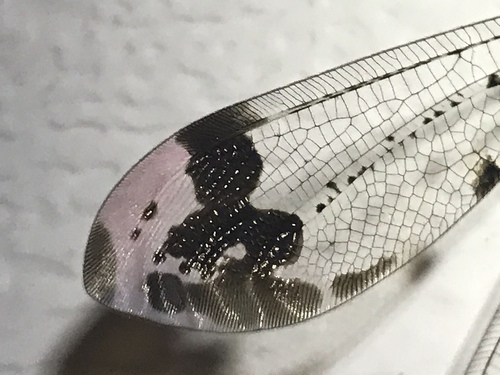
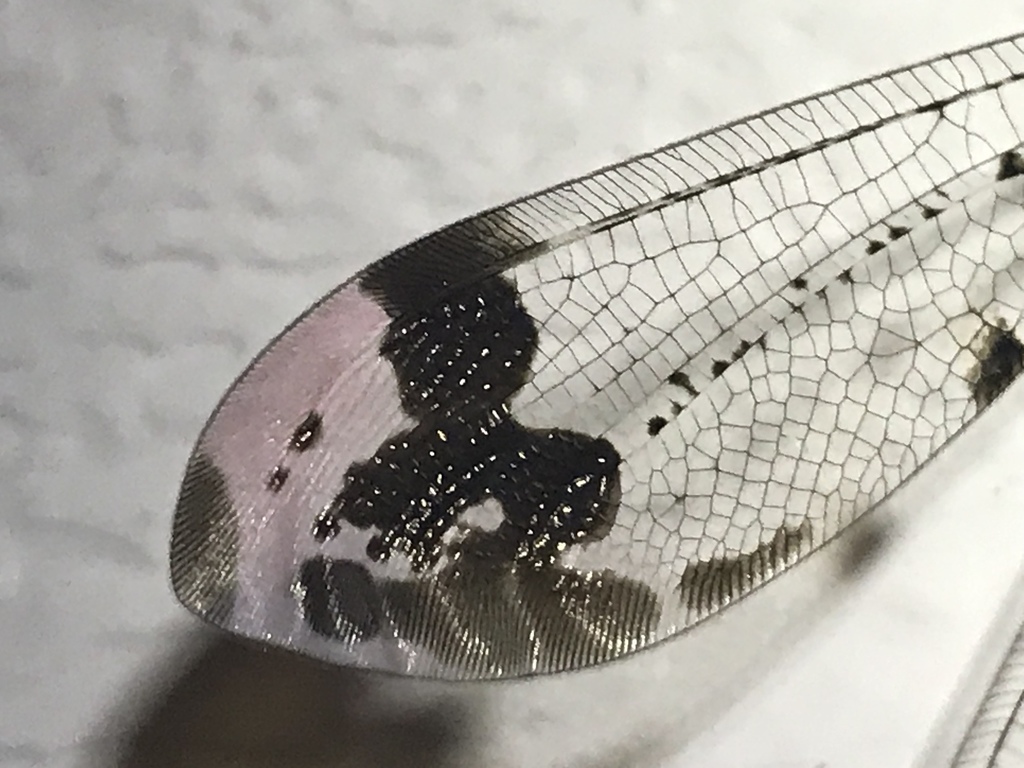
Pleasing picture-winged antlions display striking, boldly patterned wings that make them among the most distinctive neuropterans in eastern North America. Unlike common antlions that excavate conical sand pits, their cryptic larvae inhabit dry wood rot inside hollow deciduous trees and rock crevices to ambush prey. Adults take wing at dusk during the warm summer months, fluttering weakly through mature woodland canopies where they occasionally visit porch lights.
NocturnalWoodlandPredatory
 1 / 7
1 / 7—observations
—countries
—peak records
Not EvaluatedConservation statusIUCN Red List categoriesLCNTVUENCREWEXNot Evaluated — not placed on the risk ladderRed List categories, explained →
Diet & prey
- Ants
- Termites
- Beetle larvae
Predators
- Bats
- Birds
- Spiders
ThreatsDeforestation, loss of hollow mature trees, and light pollution
HabitatsDeciduous forests, mature hardwood stands, and tree cavities
Life span1–2 years (majority spent in larval stage)
Size / weightNot available
Classification
- OrderNeuroptera
- FamilyMyrmeleontidae
- GenusGlenurus
- SpeciesGlenurus gratus
Range data is not available yet.
Interaction riskLow
- Low
- Moderate
- High
- Very high
- Why interaction risk is low
- Harmless to humans and safe to observe at a close distance.
Responsible observation
- Light Sheet Surveys: Set up a blacklight against a white sheet near mature oak woods on humid summer nights.
- Tree Hollow Inspection: Gently inspect dry rot pockets in older hardwood trunks to spot cryptic larvae.
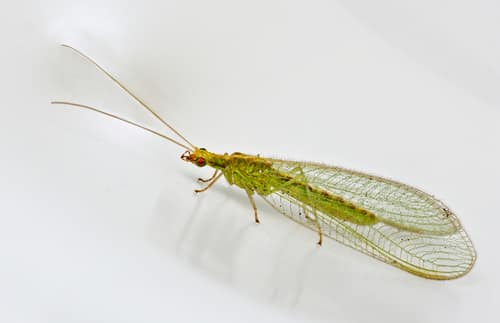
Same Order (c) AJC1, some rights reserved (CC BY-SA) · cc-by-sa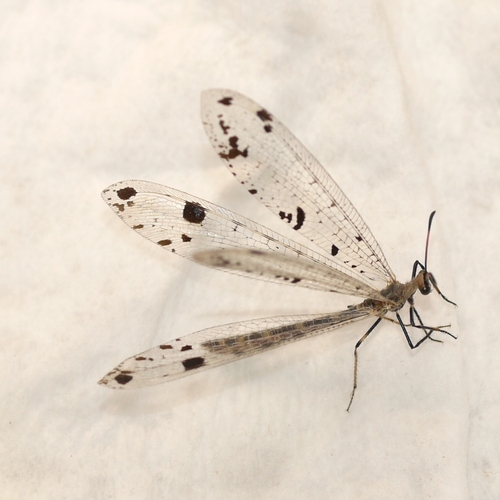
Same Family (c) Ilona, some rights reserved (CC BY-SA) · cc-by-sa Image unavailable
Same Family
Help improve the field guideSomething wrong?
Checking your Fauna account…Report a name, category, or profile issue for review.