
Insect
Giant Bark Aphid
Longistigma caryaeGiant bark aphids are the largest aphid species in North America, forming dense colonies along the trunk and major branches of hardwood trees like oaks, hickories, and walnuts. They use long, piercing mouthparts to tap into branch sap, excreting large quantities of sticky honeydew that draws attendant ants, wasps, and sooty mold. Despite their impressive size, these giant sap suckers rarely cause lasting damage to healthy established trees.
Sap-SuckingArborealColonial
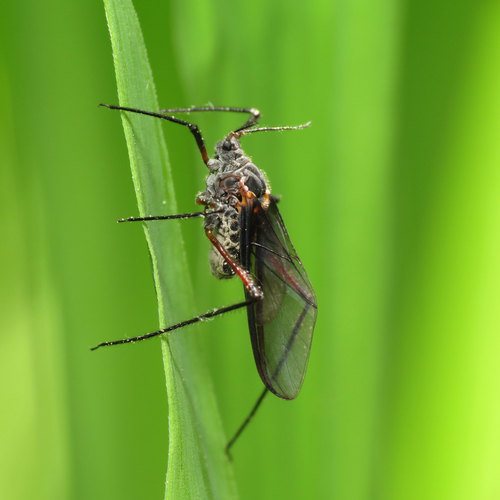
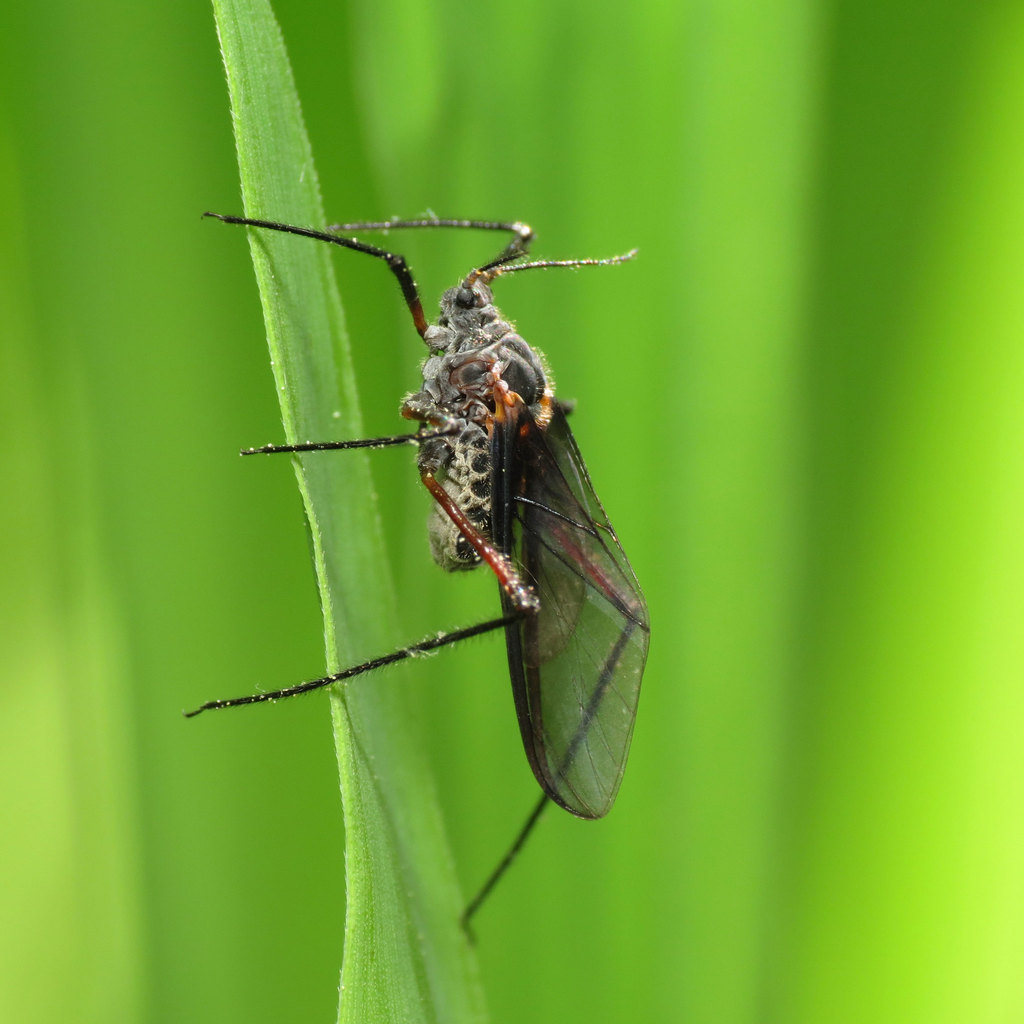
—observations
—countries
—peak records
Not EvaluatedConservation statusIUCN Red List categoriesLCNTVUENCREWEXNot Evaluated — not placed on the risk ladderRed List categories, explained →
Diet & preyOak Sap, Hickory Sap, Pecan Sap
Predators
- Ladybugs
- Green Lacewings
- Parasitoid Wasps
ThreatsNatural predators, extreme cold events, and chemical insecticide sprays
HabitatsDeciduous forests, woodlands, parks, and suburban shade trees
Life span1–2 months
Classification
- OrderHemiptera
- FamilyAphididae
- GenusLongistigma
- SpeciesLongistigma caryae
Range data is not available yet.
Interaction riskLow
- Low
- Moderate
- High
- Very high
- Why interaction risk is low
- Safe to observe at a normal distance.
Responsible observation
- Trunk Inspection: Look on major limbs and bark folds of oaks or hickories during autumn to locate colonies.
- Notice Honeydew: Check underlying leaves or ground for sticky secretions indicating feeding activity above.
- Observe Ant Herding: Watch closely to see ants protecting the aphids in exchange for sugary honeydew.
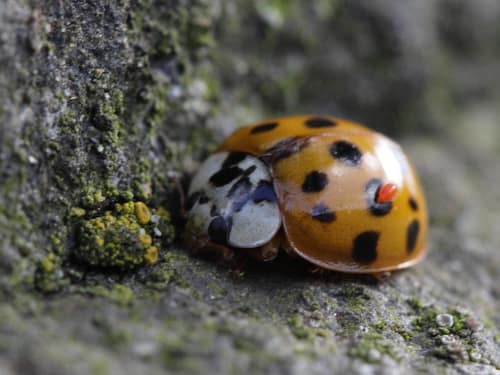
Predator "Asian Lady Beetle in Central-Germany & a mite" by gbohne is licensed under CC BY-SA 2.0. To view a copy of this license, visit https://creativecommons.org/licenses/by-sa/2.0/. · cc-by-sa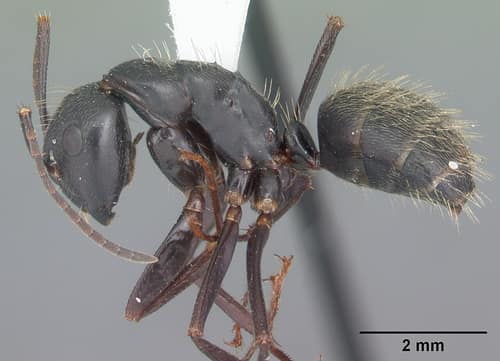
Symbiont April Nobile / CC BY 4.0 · cc-by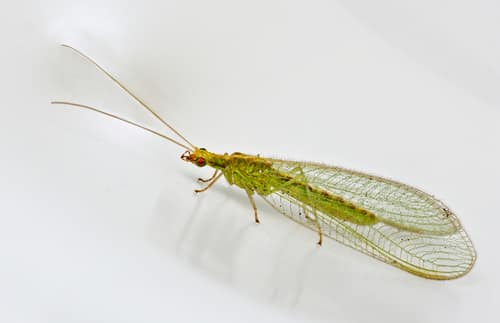
Predator (c) AJC1, some rights reserved (CC BY-SA) · cc-by-sa Image unavailable
Close Relative
Help improve the field guideSomething wrong?
Checking your Fauna account…Report a name, category, or profile issue for review.