
Insect · GBIF taxon 2072221
Soybean Aphid
Aphis glycinesAlso known as Asian Soybean Aphid
Soybean aphids are small, pale yellow insects with black siphuncles that feed on the phloem sap of soybean plants and winter on buckthorn bushes. Populations increase rapidly through asexual reproduction during the warm summer, producing winged adults when crop plants become crowded or stressed. Dense colonies cause leaf curling and yellowing while excreting sticky honeydew that promotes damaging soot mold growth.
Agricultural PestSap-feedingInvasive
—observations
—countries
—peak records
Not EvaluatedConservation statusIUCN Red List categoriesLCNTVUENCREWEXNot Evaluated — not placed on the risk ladderRed List categories, explained →
Diet & prey
- Soybean Sap
- Common Buckthorn Sap
Predators
- Multicolored Asian Lady Beetle
- Seven-spotted Lady Beetle
- Green Lacewing
ThreatsInsecticide sprays, generalist predators, fungal pathogens
HabitatsAgricultural fields, cropland margins, buckthorn thickets
Life span1–4 weeks
Size / weightNot available
Classification
- OrderHemiptera
- FamilyAphididae
- GenusAphis
- SpeciesAphis glycines
Range data is not available yet.
Interaction riskLow
- Low
- Moderate
- High
- Very high
- Why interaction risk is low
- Safe to observe at a normal distance.
Responsible observation
- Inspect leaf undersides: Look on young soybean foliage in early summer to spot small colonizing clusters.
- Watch for sticky honeydew: Shiny residues on upper leaves often reveal aphid activity on leaves above.
- Observe predator presence: Lady beetles and lacewing larvae near colonies indicate active natural control.
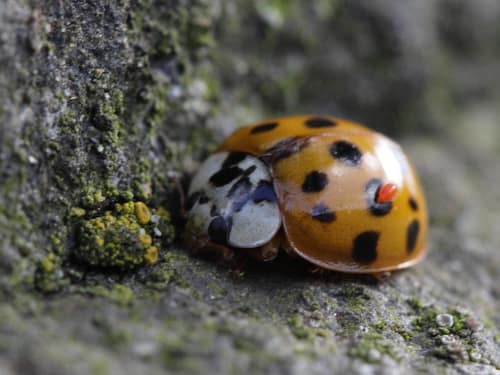
Predator "Asian Lady Beetle in Central-Germany & a mite" by gbohne is licensed under CC BY-SA 2.0. To view a copy of this license, visit https://creativecommons.org/licenses/by-sa/2.0/. · cc-by-sa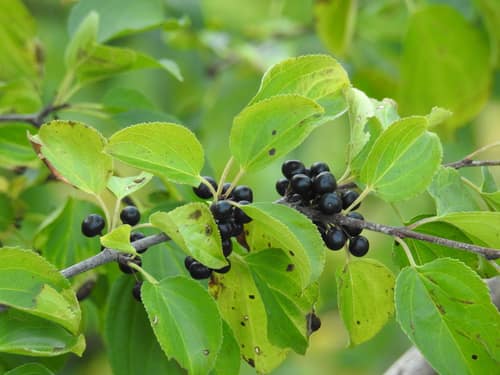
Overwintering Host (c) Robert Flogaus-Faust, some rights reserved (CC BY) · cc-by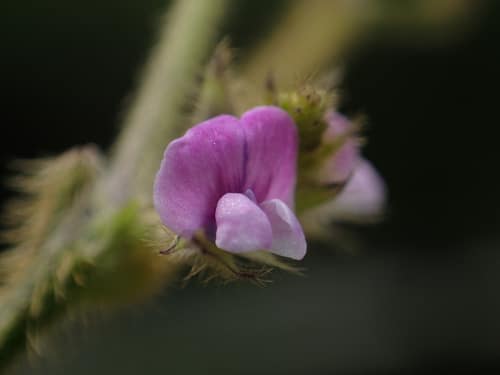
Primary Host Plant no rights reserved, uploaded by 葉子 · cc0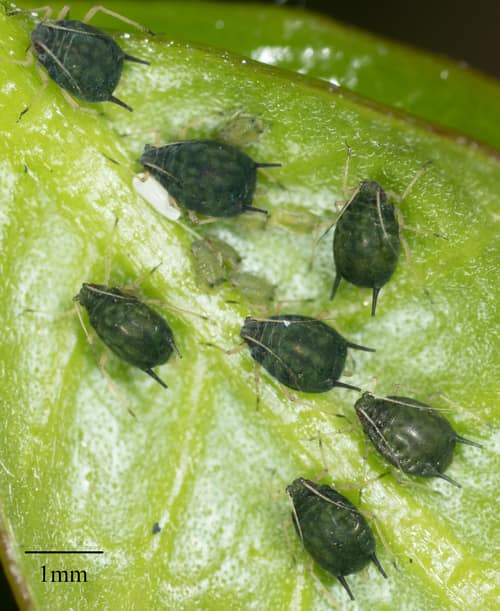
Close Relative no rights reserved, uploaded by Jesse Rorabaugh · cc0
Help improve the field guideSomething wrong?
Checking your Fauna account…Report a name, category, or profile issue for review.