
Insect
Black Bean Aphid
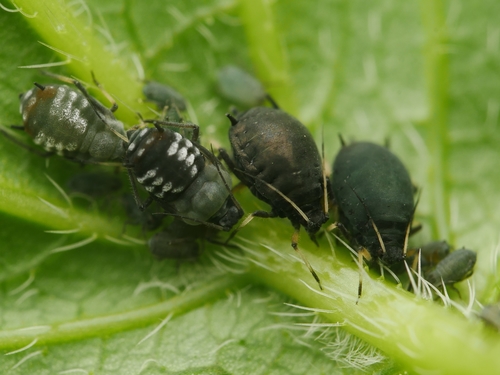
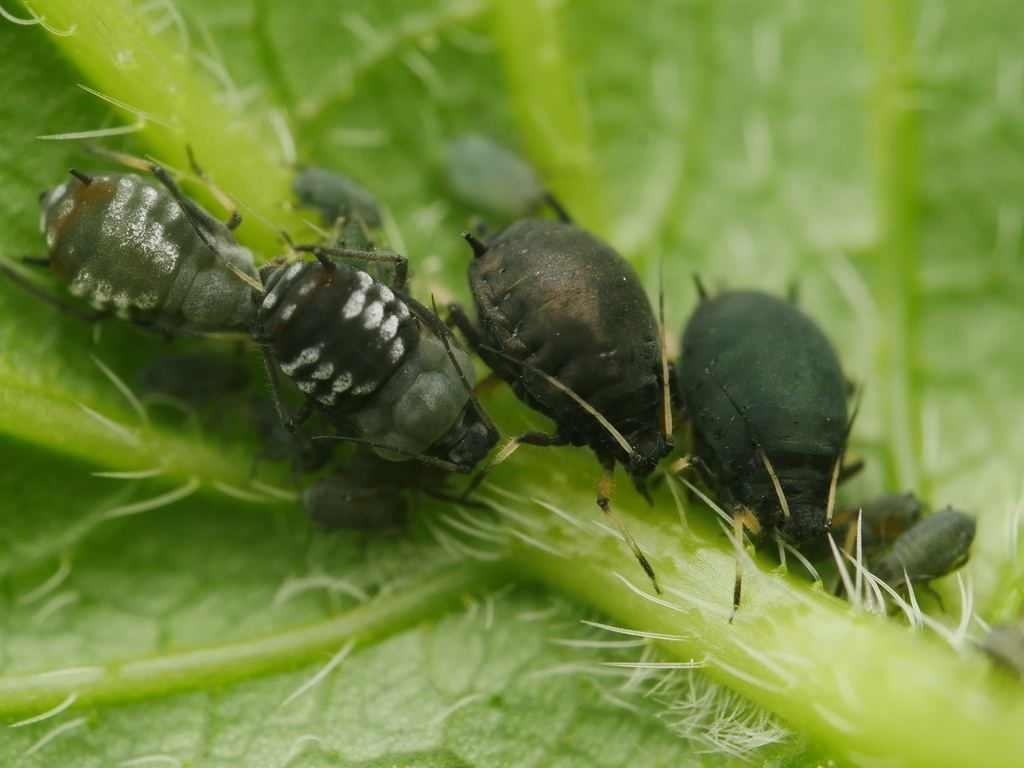
Aphis fabaeAlso known as Blackfly, Bean Aphid, Beet Leaf Aphid
Dense colonies cluster on tender shoots and leaf undersides, extracting sap with piercing mouthparts while excreting sticky, sugary honeydew. During spring and summer, all-female populations reproduce via viviparous parthenogenesis, giving birth directly to live clones that mature in just days. Mutualistic ants frequently farm these aggregations, defending them from hungry predators in exchange for sweet honeydew secretions.
ColonialAgricultural PestSap-feeding
—observations
—countries
—peak records
Not EvaluatedConservation statusIUCN Red List categoriesLCNTVUENCREWEXNot Evaluated — not placed on the risk ladderRed List categories, explained →
Diet & preyBroad bean sap, Sugar beet sap, Spindle tree sap
Predators
- Seven-spot Ladybird
- Common Green Lacewing
- Hoverfly larvae
ThreatsInsecticide applications, predatory insects, and adverse weather conditions
HabitatsAgricultural fields, gardens, hedgerows, and temperate scrublands
Life span2–6 weeks
Classification
- OrderHemiptera
- FamilyAphididae
- GenusAphis
- SpeciesAphis fabae
Range data is not available yet.
Interaction riskLow
- Low
- Moderate
- High
- Very high
- Why interaction risk is low
- Harmless to humans and pets; safe to observe at a normal distance.
Responsible observation
- Colony Inspection: Examine the undersides of broad bean leaves with a hand lens to see live birth in action.
- Ant Symbiosis: Watch for ants gently stroking aphid abdomens with their antennae to collect honeydew.
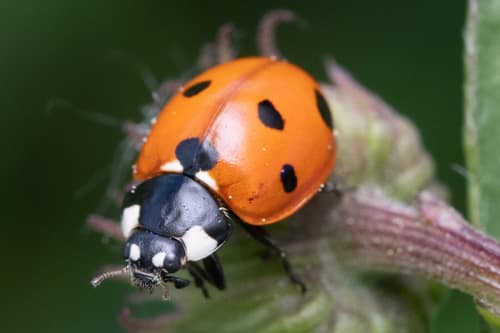
Predator (c) Casey H. Richart, some rights reserved (CC BY), uploaded by Casey H. Richart · cc-by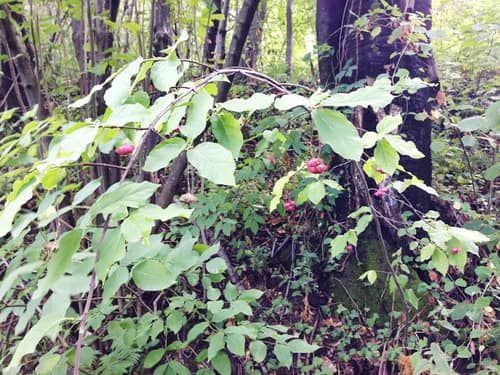
Host Plant (c) Vedran Lastovčić, some rights reserved (CC BY), uploaded by Vedran Lastovčić · cc-by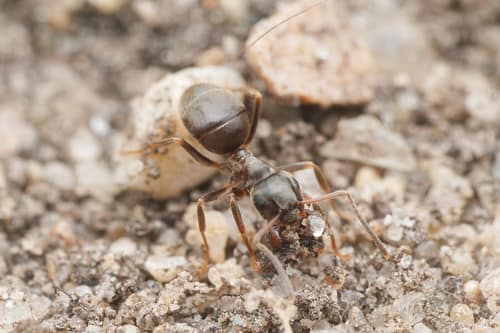
Symbiont (c) Jonghyun Park, some rights reserved (CC BY), uploaded by Jonghyun Park · cc-by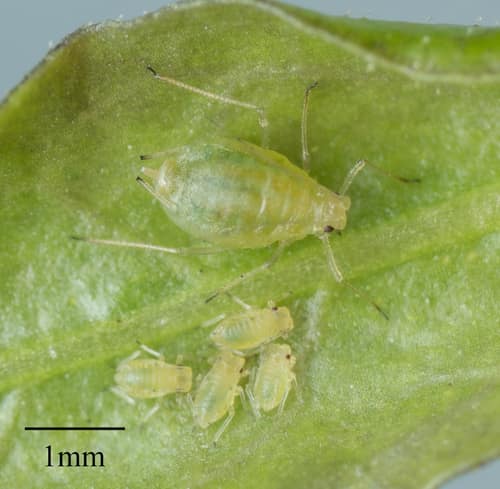
Competitor no rights reserved, uploaded by Jesse Rorabaugh · cc0
Help improve the field guideSomething wrong?
Checking your Fauna account…Report a name, category, or profile issue for review.