
Insect · GBIF taxon 2049739
Hemlock Woolly Adelgid
Adelges tsugaeAlso known as HWA, Hemlock Adelgid
Hemlock woolly adelgids spend most of their lives attached to the base of hemlock needles, secreting a dense, white waxy coat that resembles miniature cotton swabs. By inserting needle-like mouthparts directly into twig tissue, these tiny insects drain vital nutrients and disrupt water flow, causing needle loss, branch dieback, and eventual tree death within a few years. While natural predators keep populations in check across East Asia and western North America, unrestrained outbreaks in the eastern United States continue to reshape entire forest ecosystems.
InvasivePestSap-sucker
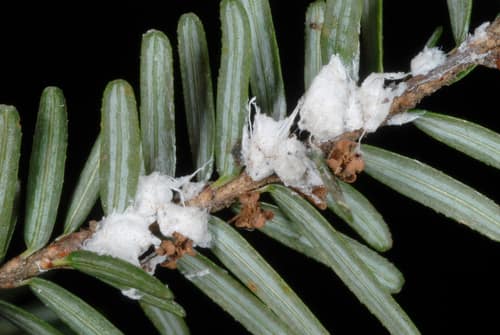
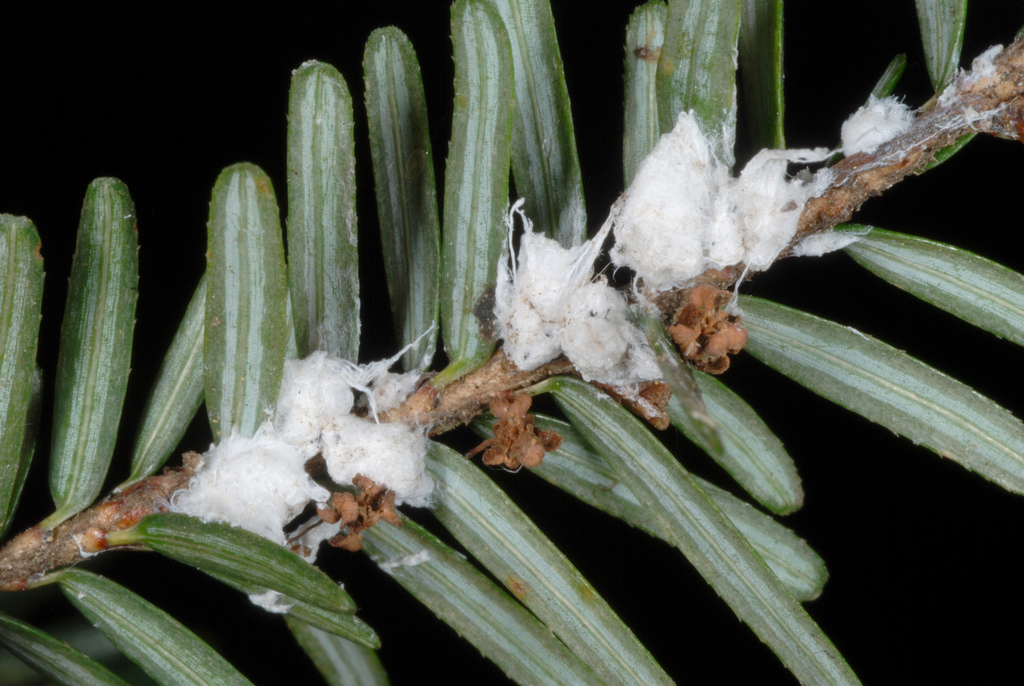 1 / 7
1 / 7—observations
—countries
—peak records
Not EvaluatedConservation statusIUCN Red List categoriesLCNTVUENCREWEXNot Evaluated — not placed on the risk ladderRed List categories, explained →
Diet & prey
- Eastern hemlock sap
- Carolina hemlock sap
- Spruce tree sap
Predators
- Sasajiscymnus tsugae
- Laricobius nigrinus
- Leucopis flies
ThreatsExtreme winter cold and biological control programs using predatory beetles
HabitatsTemperate coniferous forests, forest valleys, urban parks
Life span1–6 months
Classification
- FamilyAdelgidae
- SpeciesAdelges tsugae
Range data is not available yet.
Interaction riskLow
- Low
- Moderate
- High
- Very high
- Why interaction risk is low
- Safe to observe at a normal distance.
Responsible observation
- Inspect underside of branches: Look for tiny white, cottony masses clinging to the base of needles.
- Report infestations: Alert local forestry offices when finding white waxy sacs in uninfested counties.
- Avoid spreading pests: Refrain from moving hemlock firewood or wild-harvested trees from infested areas.
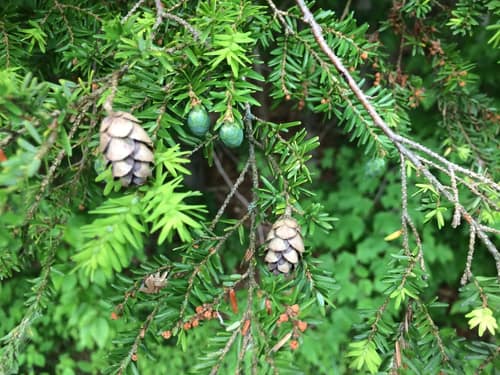
Host Plant (c) Ian Manning, some rights reserved (CC BY), uploaded by Ian Manning · cc-by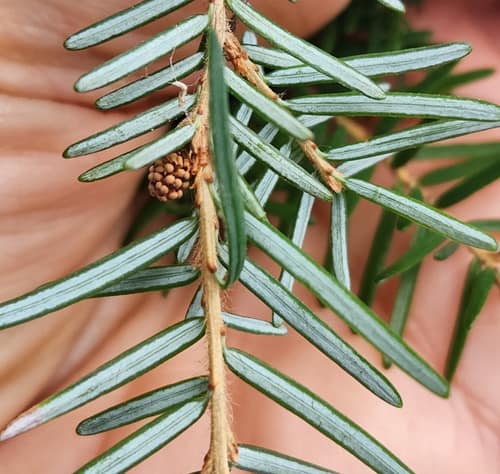
Host Plant (c) Lyrae, some rights reserved (CC BY), uploaded by Lyrae · cc-by Image unavailable
Predator Close Relative
Help improve the field guideSomething wrong?
Checking your Fauna account…Report a name, category, or profile issue for review.