
Insect · GBIF taxon 2039662
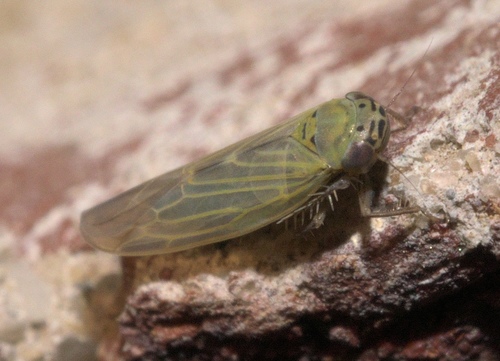
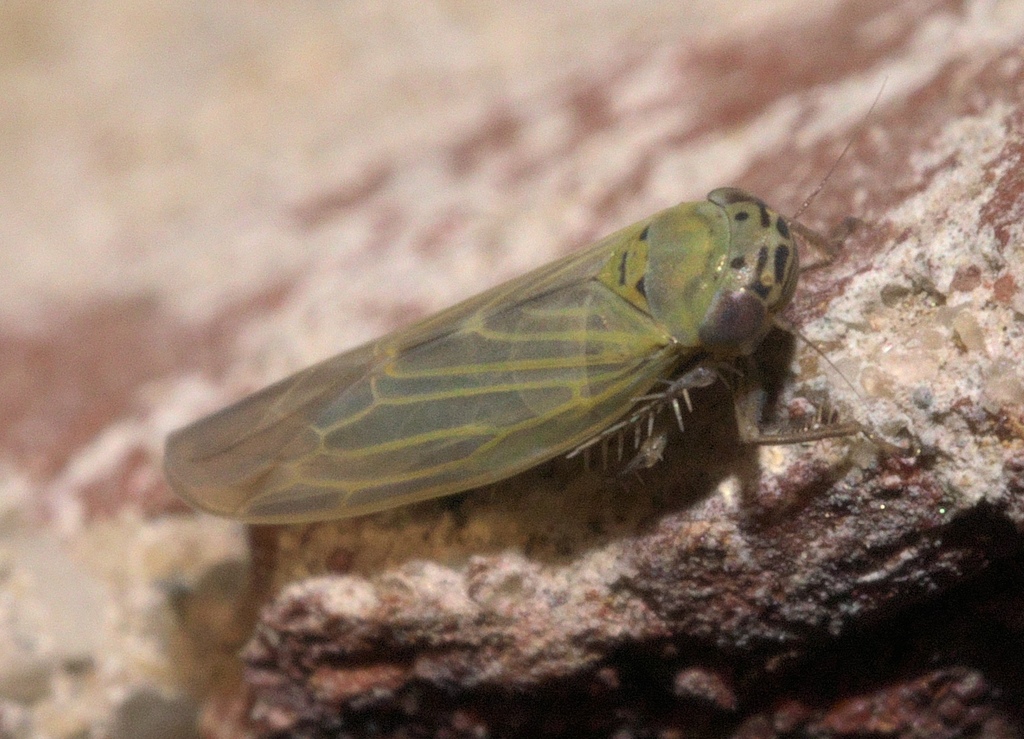
Aster Leafhopper
Macrosteles quadrilineatusAlso known as Six-Spotted Leafhopper
Aster leafhoppers are tiny, greenish-yellow sap-feeders recognized by six distinct dark marks arranged in pairs on their forehead. They are notorious agricultural vectors, transmitting the phytoplasma bacteria responsible for aster yellows disease in hundreds of crop and wild plant species. During spring, vast swarms ride high-altitude wind currents northward from southern wintering sites to colonize fields and gardens.
Crop PestSapsuckingMigratory
 1 / 7
1 / 7—observations
—countries
—peak records
Not EvaluatedConservation statusIUCN Red List categoriesLCNTVUENCREWEXNot Evaluated — not placed on the risk ladderRed List categories, explained →
Diet & prey
- Plant phloem sap
- Vegetable foliage juices
Predators
- Ladybug larvae
- Green lacewing larvae
- Orb-weaver spiders
ThreatsSystemic insecticides, extreme weather, and natural predators
HabitatsAgricultural fields, vegetable gardens, meadows, and grasslands
Life span1 to 2 months
Classification
- FamilyCicadellidae
- SpeciesMacrosteles quadrilineatus
Range data is not available yet.
Interaction riskLow
- Low
- Moderate
- High
- Very high
- Why interaction risk is low
- Harmless to humans and pets; safe to observe at a close distance.
Responsible observation
- Yellow Cards: Bright yellow sticky cards placed near garden beds quickly reveal leafhopper activity.
- Hand Lens Observation: Inspect the undersides of damaged plant leaves to spot fast-hopping nymphs.
 Image unavailable
Plant Vector 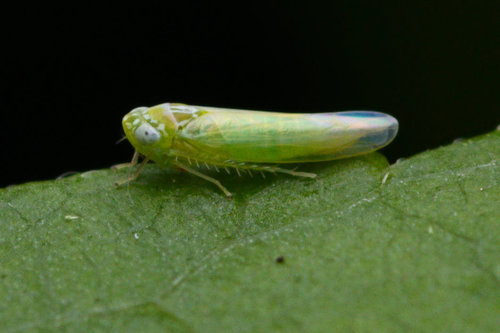
Close Relative no rights reserved, uploaded by Dennis White · cc0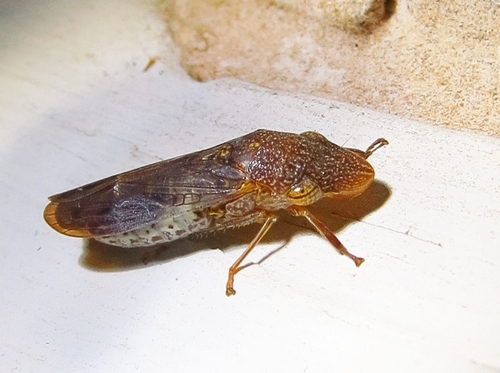
Family Member (c) Annika Lindqvist, some rights reserved (CC BY), uploaded by Annika Lindqvist · cc-by
Help improve the field guideSomething wrong?
Checking your Fauna account…Report a name, category, or profile issue for review.