
Insect
Platycotis vittatus
Platycotis vittatusAlso known as Oak Treehopper
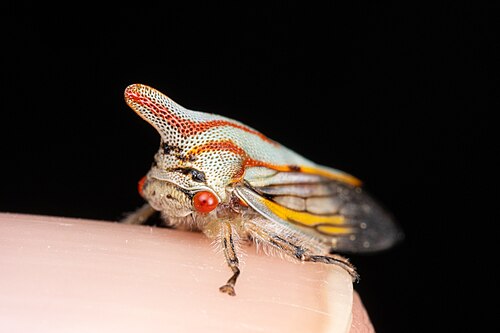
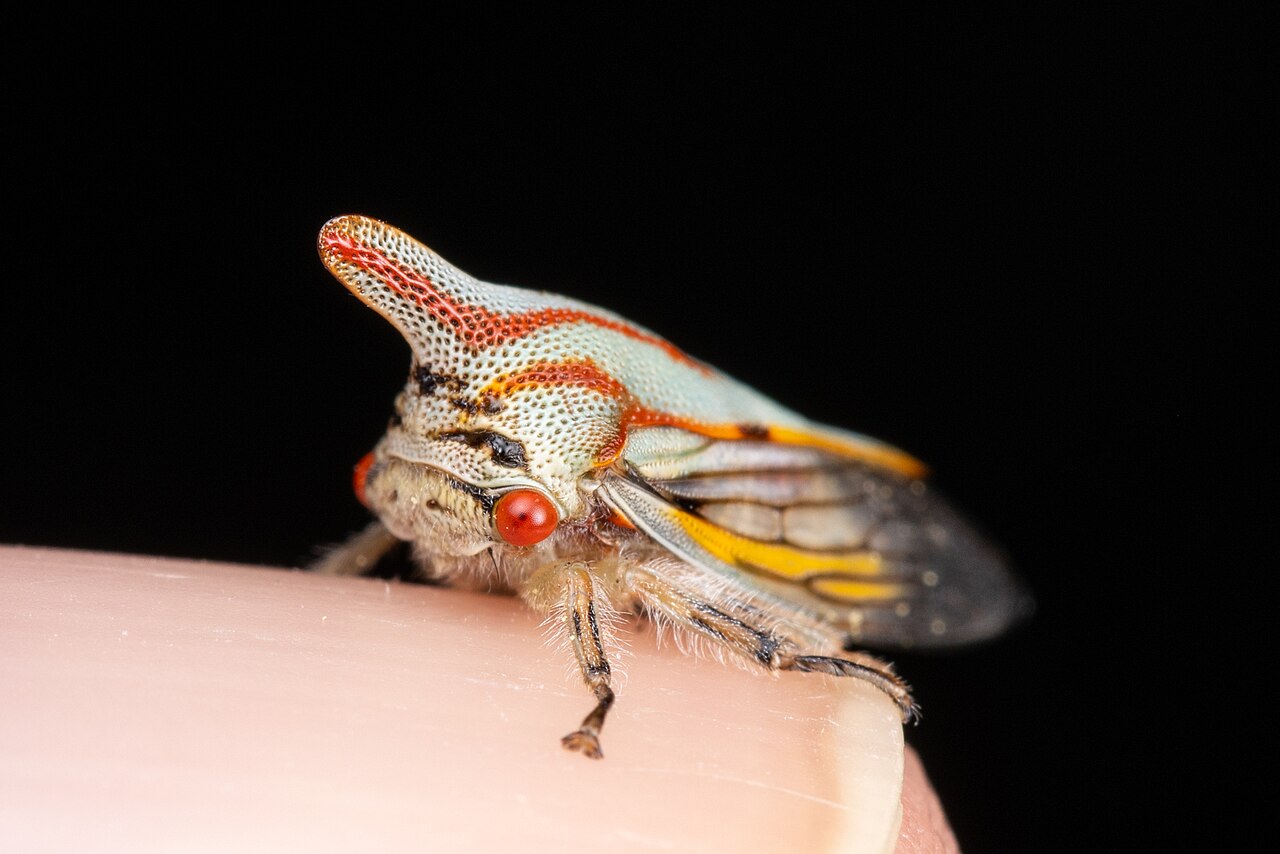
Oak treehoppers display striking morphological variation, occurring in both hornless varieties and forms sporting a long, forward-pointing thorn atop the thorax, often decorated with vibrant longitudinal stripes. Females exhibit devoted maternal care, guarding their egg clusters on oak twigs and defending the newly hatched nymphs against predators. As the young feed on plant sap, they excrete honeydew that frequently attracts mutualistic ants, which protect the cluster in exchange for the sugary reward.
PolymorphicGregariousHerbivorous
—observations
—countries
—peak records
Not EvaluatedConservation statusIUCN Red List categoriesLCNTVUENCREWEXNot Evaluated — not placed on the risk ladderRed List categories, explained →
Diet & preyOak sap and plant fluids
Predators
- Spiders
- Parasitoid wasps
- Songbirds
ThreatsPesticide spraying and habitat loss
HabitatsOak woodlands, mixed deciduous forests, and suburban parks
Life spanSeveral months to 1 year
Classification
- FamilyMembracidae
- SpeciesPlatycotis vittatus
Range data is not available yet.
Interaction riskLow
- Low
- Moderate
- High
- Very high
- Why interaction risk is low
- Safe to observe at a normal distance.
Responsible observation
- Twig inspection: Search the underside of tender oak branches in spring to spot brooding females and clusters of striped nymphs.
- Follow ant trails: Watch for worker ants actively patrolling tree limbs, as they often lead directly to honeydew-producing aggregations.
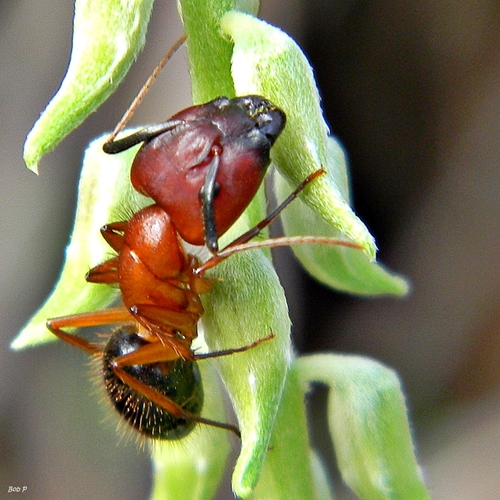
Symbiont (c) Bob Peterson, some rights reserved (CC BY-SA) · cc-by-sa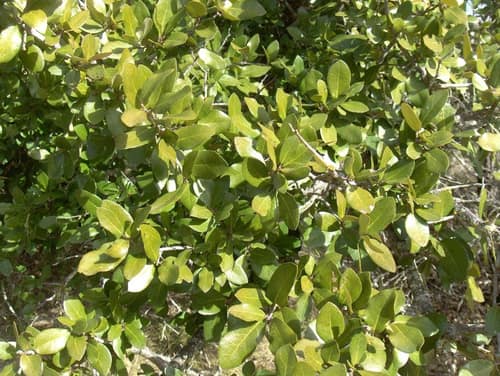
Host Plant Homer Edward Price / CC BY 2.0 · CC BY 2.0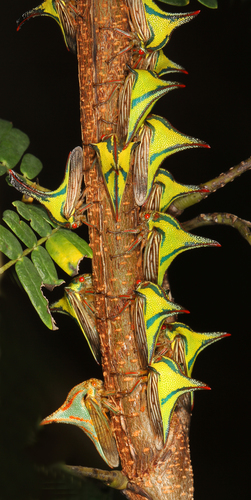
Same Family (c) Judy Gallagher, some rights reserved (CC BY-SA) · cc-by-sa Image unavailable
Same Family
Help improve the field guideSomething wrong?
Checking your Fauna account…Report a name, category, or profile issue for review.