
Insect
Aster Treehopper
Publilia concavaAlso known as Goldenrod Treehopper, Concave Treehopper
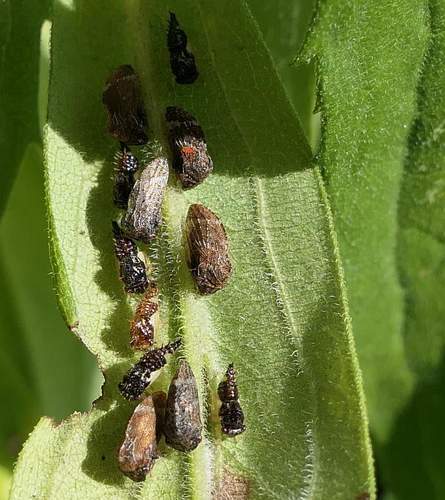
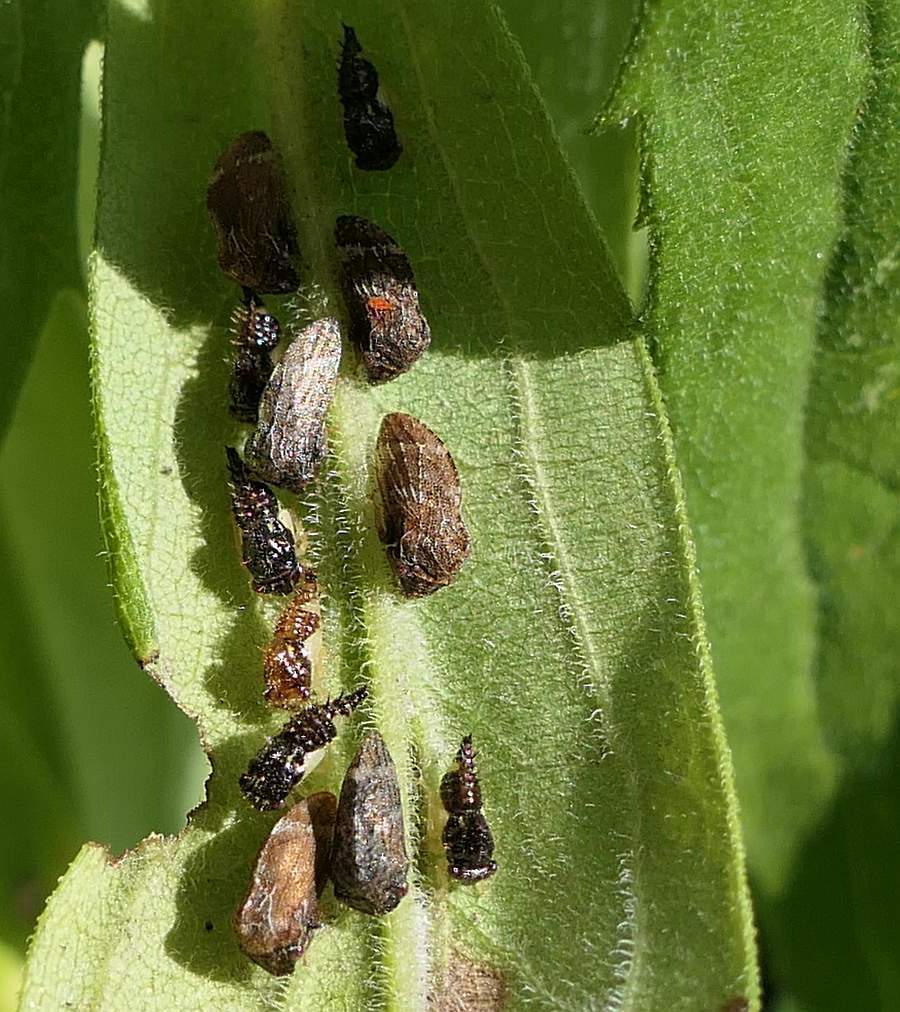
Aster treehoppers resemble tiny bits of textured tree bark or small leaf thorns clinging to stems in the sunflower family. Mothers guard their eggs on leaf veins and produce sugary honeydew to attract ants, which defend the treehopper nymphs from predatory spiders and beetles. When disturbed, adults walk around to the opposite side of a plant stem or leap away with powerful hind legs.
Plant-FeedingAnt MutualistCamouflaged
—observations
—countries
—peak records
Not EvaluatedConservation statusIUCN Red List categoriesLCNTVUENCREWEXNot Evaluated — not placed on the risk ladderRed List categories, explained →
Diet & preyHerbivorous (plant sap)
Predators
- Jumping spiders
- Ladybugs
- Lacewing larvae
ThreatsHabitat loss, widespread insecticide application
HabitatsFields, meadows, roadsides, forest edges
Life span1 year
Classification
- OrderHemiptera
- FamilyMembracidae
- GenusPublilia
- SpeciesPublilia concava
Range data is not available yet.
Interaction riskLow
- Low
- Moderate
- High
- Very high
- Why interaction risk is low
- Safe to observe at a normal distance.
Responsible observation
- Look on Stems: Check the main stems and underside leaf veins of goldenrods and asters during late spring and summer.
- Watch for Ants: Search for groups of ants gathered on stems, which frequently signals a cluster of honeydew-producing treehoppers.
- Approach Gently: Move slowly to avoid shaking host plant stems, as treehoppers quickly dodge out of sight behind branches.
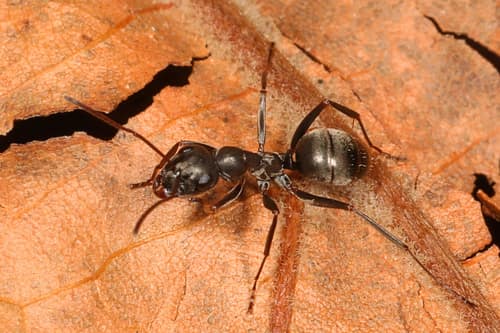
Symbiont (c) Judy Gallagher, some rights reserved (CC BY-SA), uploaded by Judy Gallagher · cc-by-sa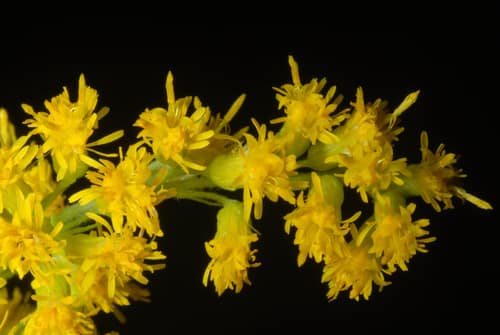
Host Plant (c) Douglas Goldman, some rights reserved (CC BY-SA), uploaded by Douglas Goldman · cc-by-sa Image unavailable
Close Relative 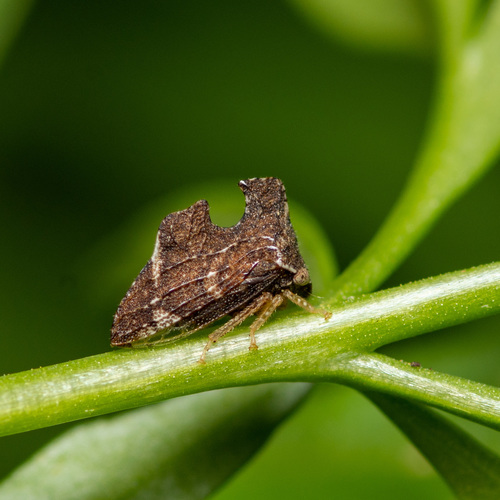
Close Relative (c) Justin Williams, some rights reserved (CC BY), uploaded by Justin Williams · cc-by
Help improve the field guideSomething wrong?
Checking your Fauna account…Report a name, category, or profile issue for review.