
Insect
Two-lined Spittlebug
Prosapia bicinctaAdult two-lined spittlebugs feed on sap from grasses and shrubs, injecting toxic saliva that causes surrounding plant tissue to yellow and die back. Nymphs produce a dense, protective white foam by pumping air into excreted plant fluids, shielding their delicate bodies from desiccation and predators while feeding near ground level. When threatened, adults rely on powerful hind legs to leap explosively into the air before flying away.
Sap-SuckingJumpingGrassland
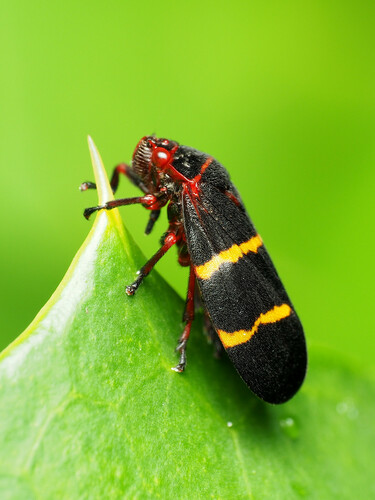
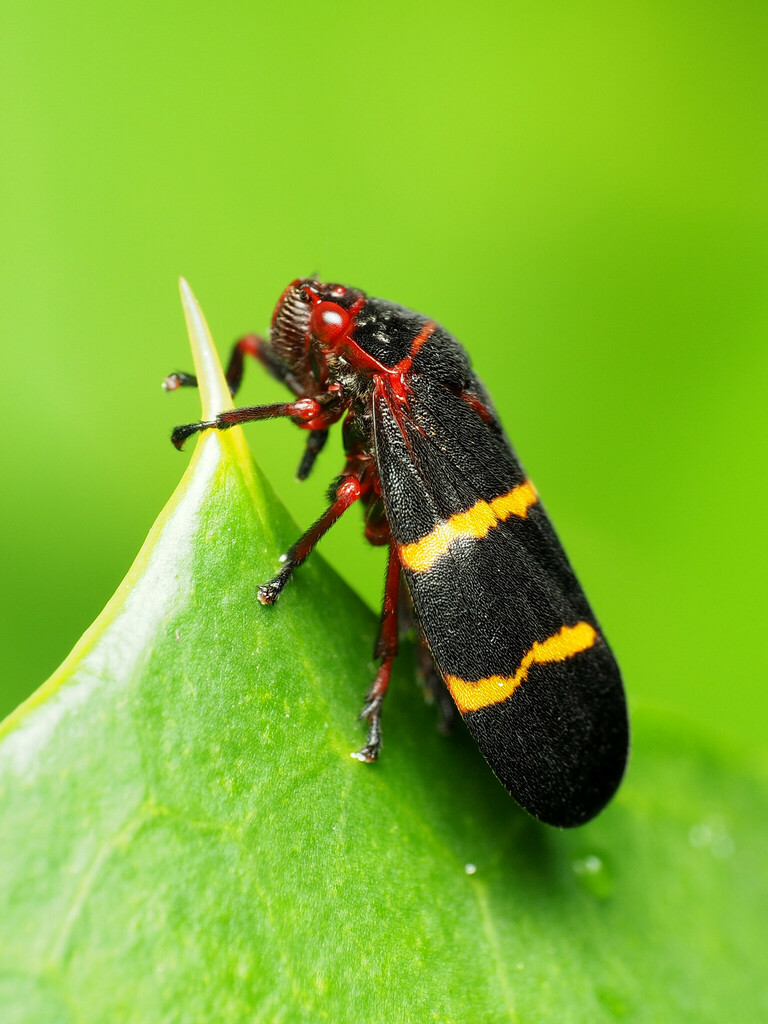
—observations
—countries
—peak records
Not EvaluatedConservation statusIUCN Red List categoriesLCNTVUENCREWEXNot Evaluated — not placed on the risk ladderRed List categories, explained →
Diet & preyTurfgrass sap, Holly sap, Weed sap
Predators
- Spiders
- Insectivorous birds
- Predatory stink bugs
ThreatsPesticide applications and severe drought
HabitatsLawns, pastures, meadows, and forest edges
Life spanSeveral months (nymph to adult)
Classification
- OrderHemiptera
- FamilyCercopidae
- GenusProsapia
- SpeciesProsapia bicincta
Range data is not available yet.
Interaction riskLow
- Low
- Moderate
- High
- Very high
- Why interaction risk is low
- Safe to observe at a normal distance.
Responsible observation
- Locating Nymphs: Look for clusters of frothy white spit near the base of turfgrass stems.
- Observing Adults: Approach slowly, as adults are quick to leap away when cast in shadow.
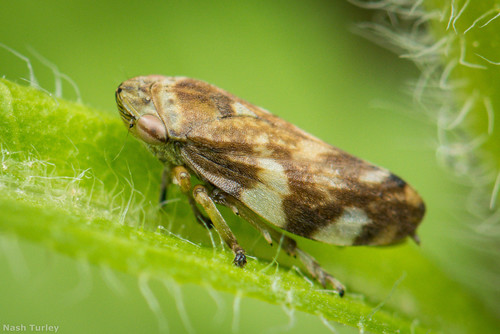
Ecological Counterpart (c) Nash Turley, some rights reserved (CC BY), uploaded by Nash Turley · cc-by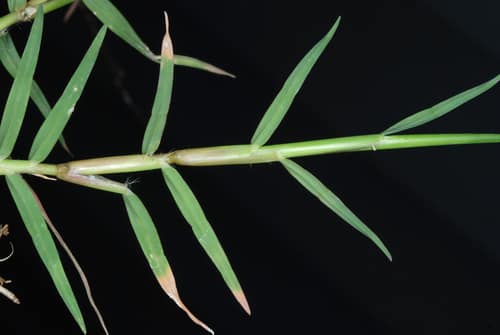
Host Plant (c) Douglas Goldman, some rights reserved (CC BY-SA), uploaded by Douglas Goldman · cc-by-sa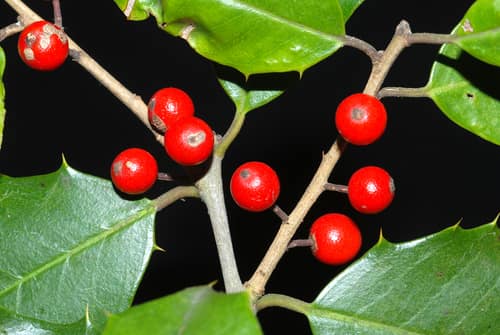
Host Plant (c) Douglas Goldman, some rights reserved (CC BY-SA), uploaded by Douglas Goldman · cc-by-sa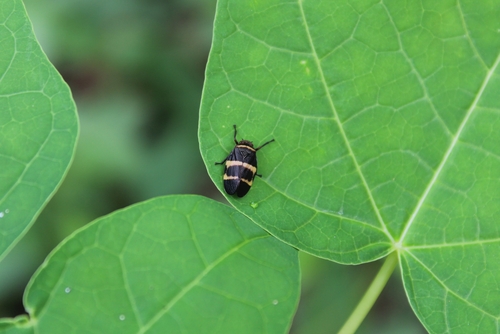
Close Relative (c) Ricard Busquets Reverte, some rights reserved (CC BY) · cc-by
Help improve the field guideSomething wrong?
Checking your Fauna account…Report a name, category, or profile issue for review.