
Insect · GBIF taxon 2007781
False Chinch Bug
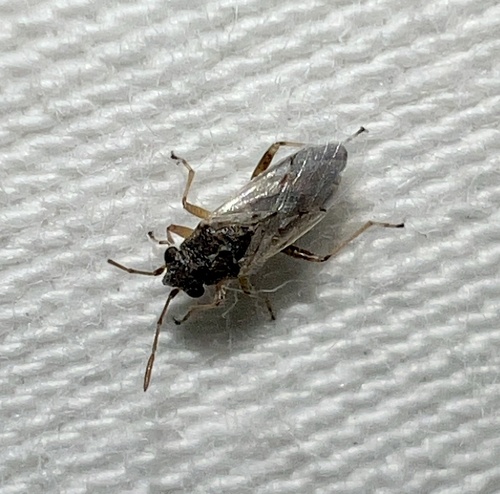
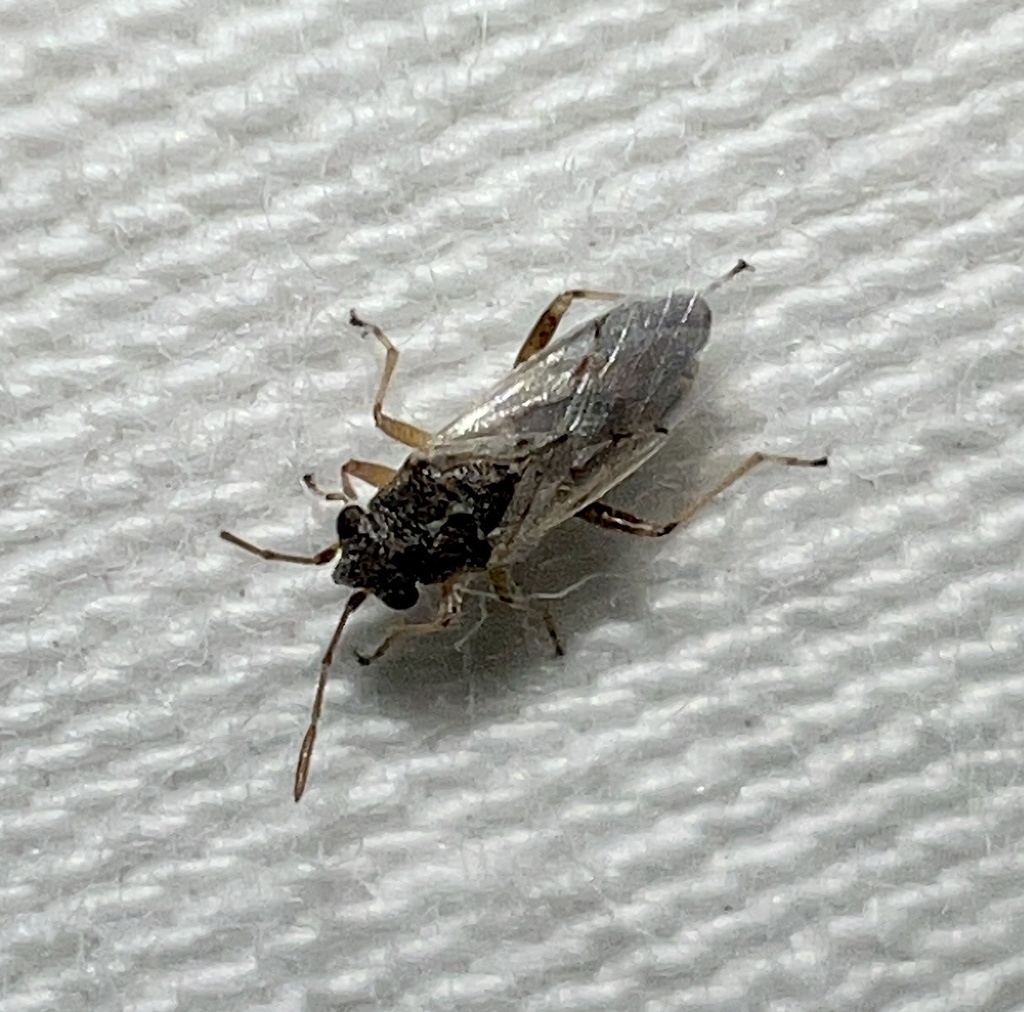
Nysius raphanusFalse chinch bugs thrive across arid and agricultural regions of North America, congregating in huge swarms on wild mustards and spring weeds. When spring vegetation dries down in early summer, hungry hordes migrate en masse into adjacent irrigated crops, gardens, and fruit orchards. When disturbed or crushed in large numbers, they emit a pungent defensive odor reminiscent of true stink bugs.
GregariousHerbivorousAgricultural Pest
 1 / 3
1 / 3—observations
—countries
—peak records
Not EvaluatedConservation statusIUCN Red List categoriesLCNTVUENCREWEXNot Evaluated — not placed on the risk ladderRed List categories, explained →
Diet & prey
- Plant sap and seeds, especially brassicas, weeds, and cultivated crops
Predators
- Geocoris biguttatus
- Nabis americoferus
- Chrysoperla carnea
ThreatsPesticide applications and habitat alteration
HabitatsAgricultural fields, rangelands, roadsides, disturbed ground, and arid plains
Life span1 to 2 months
Classification
- OrderHemiptera
- FamilyLygaeidae
- GenusNysius
- SpeciesNysius raphanus
Range data is not available yet.
Interaction riskLow
- Low
- Moderate
- High
- Very high
- Why interaction risk is low
- Harmless to humans and pets, though large swarms can occasionally land on skin and test-probe.
Responsible observation
- Weed Management: Clear spring mustards near garden borders before they dry out and drive bugs onto cultivated plants.
- Barrier Protection: Use floating row covers over tender young seedlings to exclude sudden mass migrations.
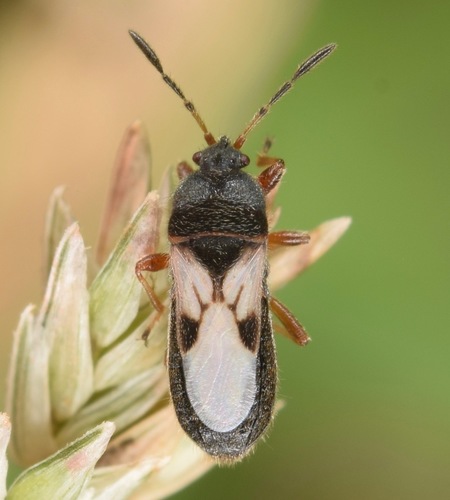
Look-alike (c) skitterbug, some rights reserved (CC BY), uploaded by skitterbug · cc-by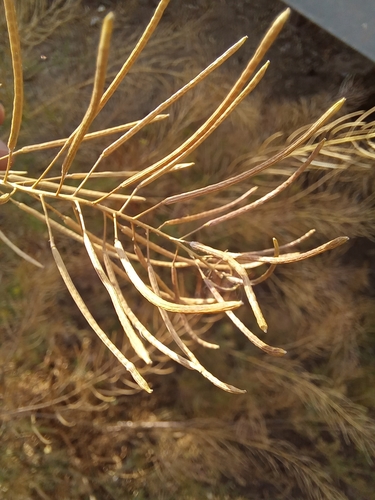
Host Plant (c) Гущина Ангелина Викторовна, some rights reserved (CC BY), uploaded by Гущина Ангелина Викторовна · cc-by Image unavailable
Predator
Help improve the field guideSomething wrong?
Checking your Fauna account…Report a name, category, or profile issue for review.