
Insect
Formosan Subterranean Termite
Coptotermes formosanusAlso known as Formosan Termite, Super Termite
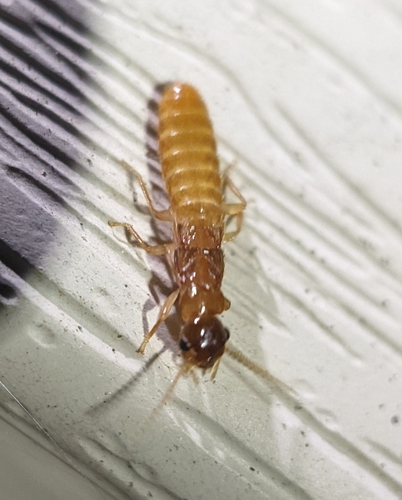
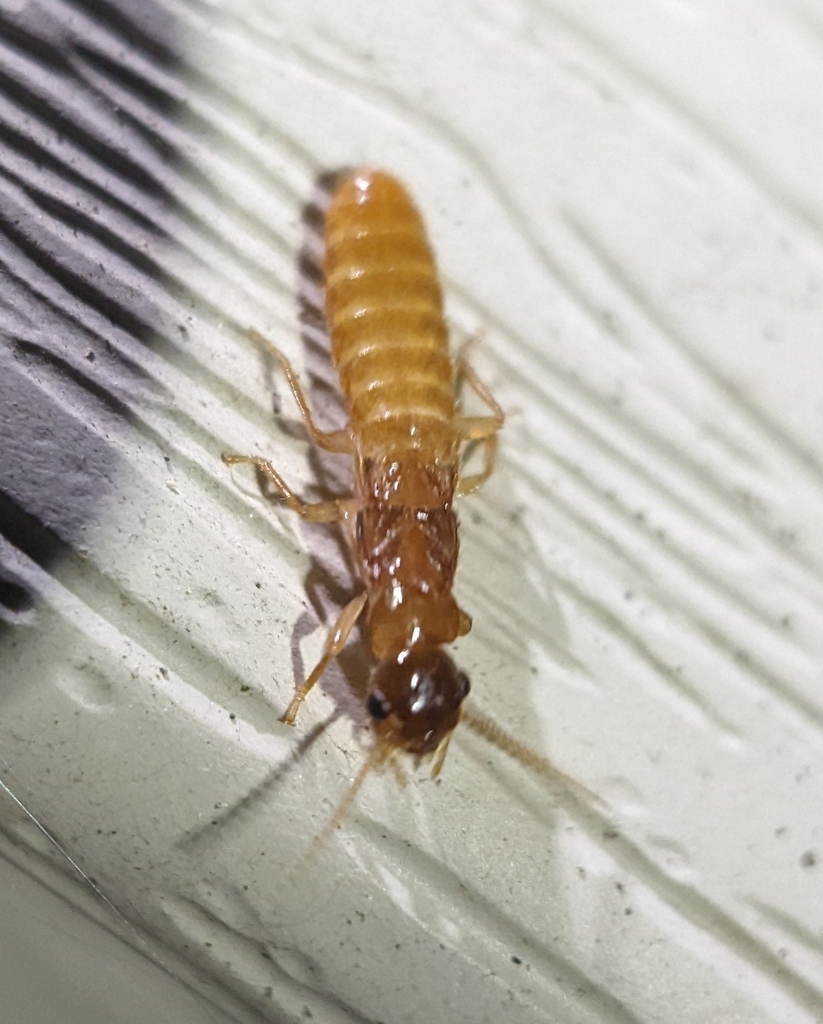
Formosan subterranean termites build massive underground colonies containing millions of individuals that construct carton nests inside structures and living trees. Alate swarmers emerge in warm, humid dusk conditions by the thousands to disperse and establish new nests. Highly aggressive soldier termites defend these vast galleries by squeezing sticky white latex from glands on their heads.
SubterraneanInvasiveSocial Insect
—observations
—countries
—peak records
Not EvaluatedConservation statusIUCN Red List categoriesLCNTVUENCREWEXNot Evaluated — not placed on the risk ladderRed List categories, explained →
Diet & preyWood Cellulose, Plant Fibers, Decaying Timber
Predators
- Ants
- Toads
- Birds
ThreatsPest management, extreme winter temperatures, parasitic fungi
HabitatsSubterranean soil, wooden structures, utility poles, and living trees
Life span3–5 years for workers and soldiers; up to 15 years for queens
Classification
- OrderBlattodea
- FamilyRhinotermitidae
- GenusCoptotermes
- SpeciesCoptotermes formosanus
Range data is not available yet.
Interaction riskLow
- Low
- Moderate
- High
- Very high
- Why interaction risk is low
- Safe to observe at a normal distance.
Responsible observation
- Evening Observations: Watch for nocturnal swarming flights around outdoor lights on warm humid late-spring evenings.
- Distinction: Identify soldier termites by their teardrop-shaped heads and aggressive defense behavior when galleries are exposed.
- Precaution: Avoid moving infested wood or mulch to prevent spreading colonies to new areas.
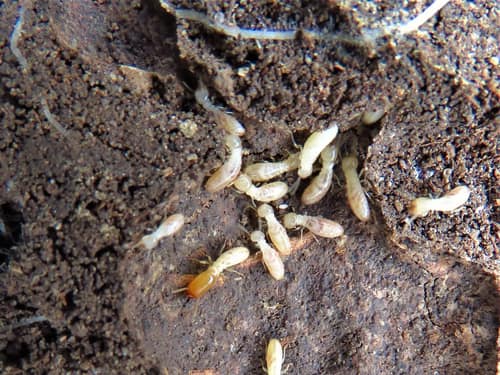
Native Competitor (c) Annika Lindqvist, some rights reserved (CC BY), uploaded by Annika Lindqvist · cc-by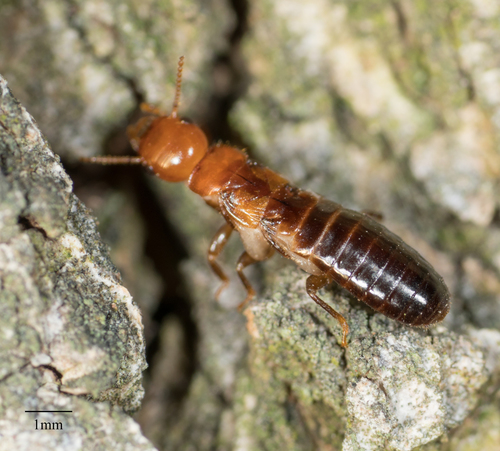
Ecological Competitor no rights reserved, uploaded by Jesse Rorabaugh · cc0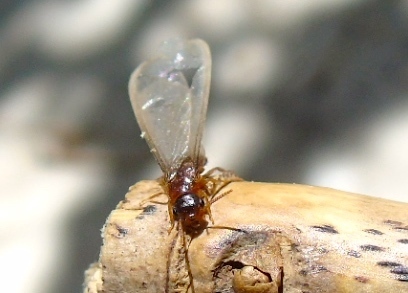
Close Relative (c) Francisco Farriols Sarabia, some rights reserved (CC BY), uploaded by Francisco Farriols Sarabia · cc-by
Help improve the field guideSomething wrong?
Checking your Fauna account…Report a name, category, or profile issue for review.