
Insect
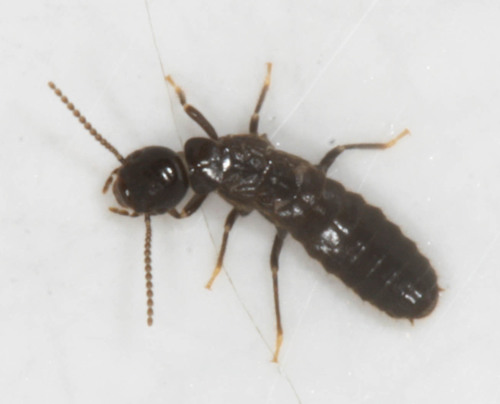
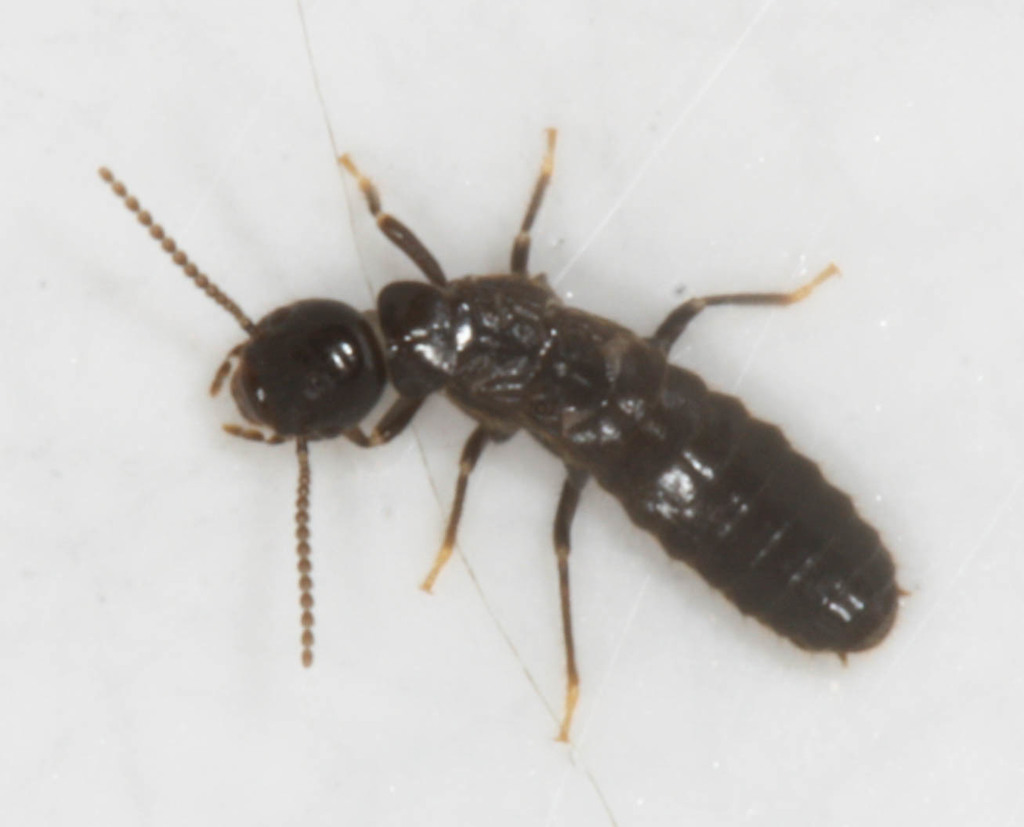
Western Subterranean Termite
Reticulitermes hesperusWestern subterranean termites form vast, hidden colonies underground, relying on an intricate network of earthen tunnels to protect their soft bodies from desiccation. Sterile workers endlessly scavenge for fallen timber and tree roots, relying on symbiotic gut microbes to break down tough cellulose into vital nutrients for the nest. On warm, sunny days following seasonal rains, winged reproductives emerge by the thousands in synchronized mating flights to disperse and found new subterranean colonies.
SubterraneanSocialDecomposer
—observations
—countries
—peak records
Not EvaluatedConservation statusIUCN Red List categoriesLCNTVUENCREWEXNot Evaluated — not placed on the risk ladderRed List categories, explained →
Diet & preyDecaying Conifer Wood, Decaying Hardwood, Cellulose Plant Fibers
Predators
- Pavement Ant
- Western Fence Lizard
- Barn Swallow
ThreatsHabitat disruption, soil contamination, and chemical pest control
HabitatsTemperate forests, coastal woodlands, grasslands, and suburban gardens
Life spanWorkers live 1–2 years; queens can live 10–15 years or longer
Classification
- OrderBlattodea
- FamilyRhinotermitidae
- GenusReticulitermes
- SpeciesReticulitermes hesperus
Range data is not available yet.
Interaction riskLow
- Low
- Moderate
- High
- Very high
- Why interaction risk is low
- Harmless to humans and pets, posing no physical threat upon observation.
Responsible observation
- Log Inspection: Gently roll over rotting forest logs to see worker galleries, returning the wood carefully to preserve colony moisture.
- Swarm Timing: Watch open clearings and fence lines on warm afternoons following autumn or spring rains to spot emerging winged alates.
- Structural Caution: Check wooden foundations and soil contact zones around homes for signature earthen shelter tubes.
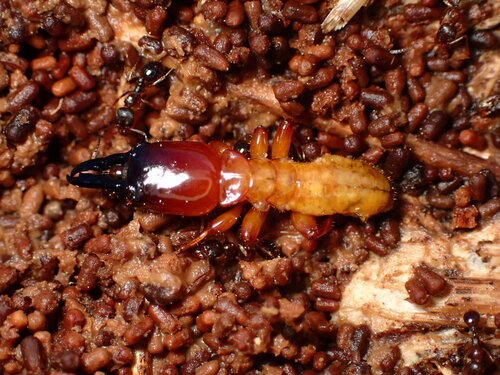
Ecological Neighbor (c) Cricket Raspet, some rights reserved (CC BY), uploaded by Cricket Raspet · cc-by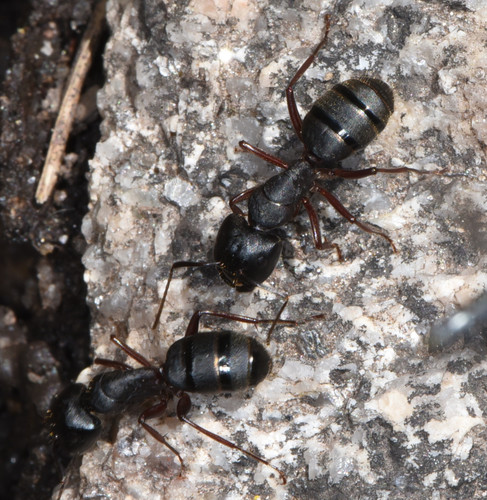
Predator (c) Don Loarie, some rights reserved (CC BY), uploaded by Don Loarie · cc-by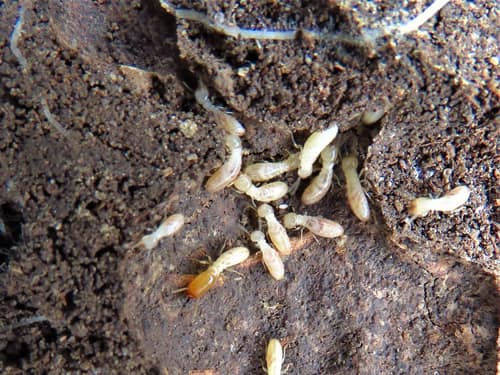
Close Relative (c) Annika Lindqvist, some rights reserved (CC BY), uploaded by Annika Lindqvist · cc-by
Help improve the field guideSomething wrong?
Checking your Fauna account…Report a name, category, or profile issue for review.