
Insect
Western Drywood Termite
Incisitermes minorAlso known as Dark Drywood Termite
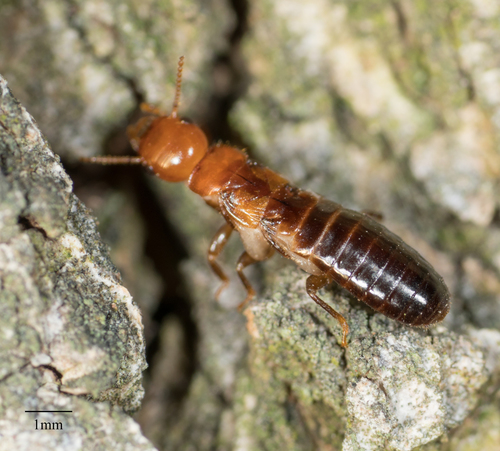
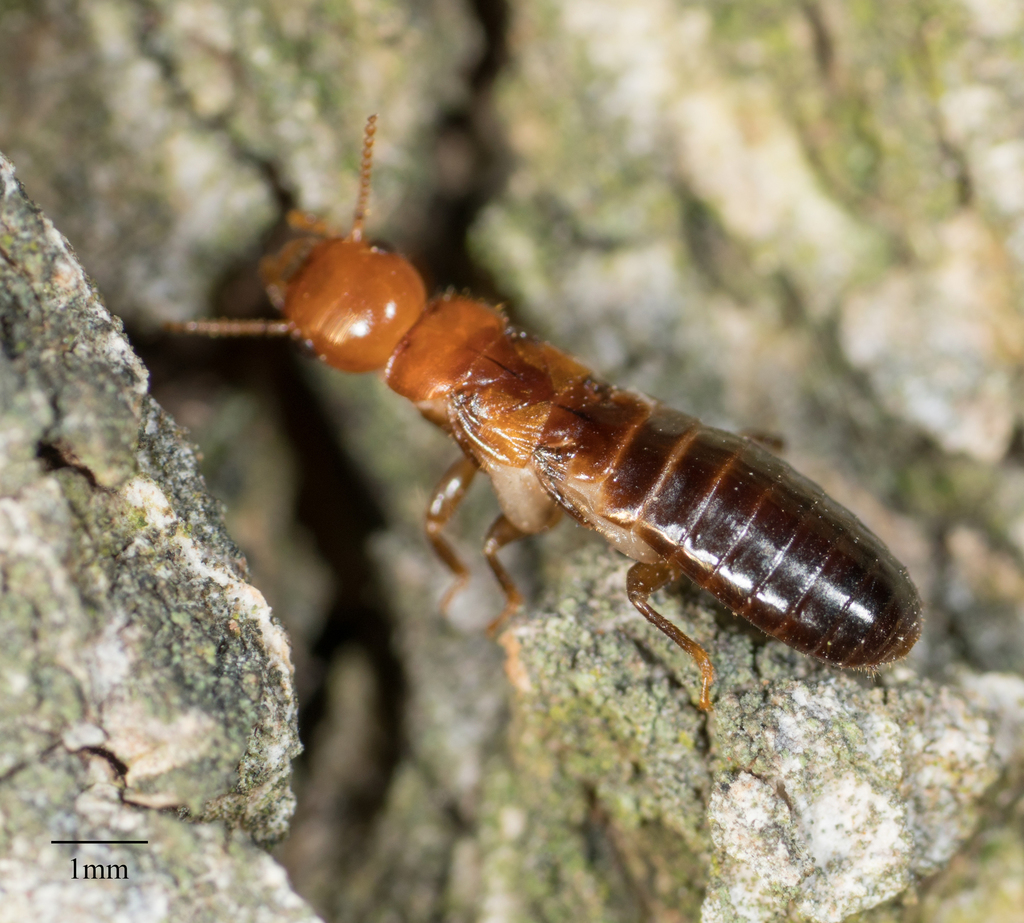
Western drywood termites live out their entire life cycle completely sealed inside sound, dry timber, requiring no contact with soil or external water sources. Colonies remain comparatively compact, often numbering only a few thousand individuals who excavate smooth, clean galleries across both structural framing and utility poles. Winged reproductive alates take flight on warm, sunny autumn afternoons, shedding their dusky wings immediately after landing to bore initial nest cavities into dry wood.
Wood-BoringSocial InsectUrban Pest
—observations
—countries
—peak records
Not EvaluatedConservation statusIUCN Red List categoriesLCNTVUENCREWEXNot Evaluated — not placed on the risk ladderRed List categories, explained →
Diet & preyDry wood, Dead tree limbs, Cellulose
Predators
- Ants
- Spiders
- Woodpeckers
ThreatsStructural fumigation, targeted heat treatments, and localized pesticide applications
HabitatsCoastal sage scrub, oak woodlands, chaparral, and human-built wooden structures
Life spanPseudergates 2–4 years; primary queens over 10–12 years
Classification
- OrderBlattodea
- FamilyKalotermitidae
- GenusIncisitermes
- SpeciesIncisitermes minor
Range data is not available yet.
Interaction riskLow
- Low
- Moderate
- High
- Very high
- Why interaction risk is low
- Harmless to humans and pets, though highly destructive to dry structural lumber.
Responsible observation
- Check Frass: Inspect windowsills and baseboards for mounds of tiny, six-sided fecal pellets discarded from gallery kick-out holes.
- Observe Swarms: Watch sunny building exteriors during warm late-summer and autumn afternoons to see dispersing alates in flight.
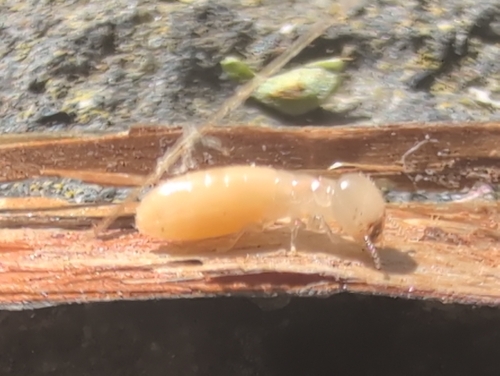
Competitor (c) tunicatedreamz, some rights reserved (CC BY) · cc-by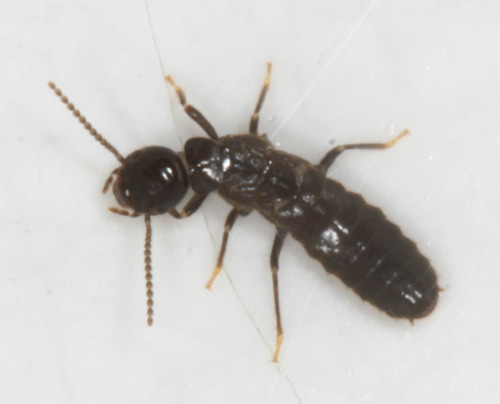
Ecological Neighbor no rights reserved, uploaded by Scott Loarie · cc0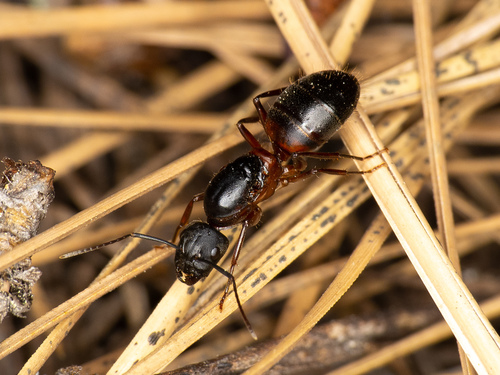
Predator (c) Jason Alexander, some rights reserved (CC BY), uploaded by Jason Alexander · cc-by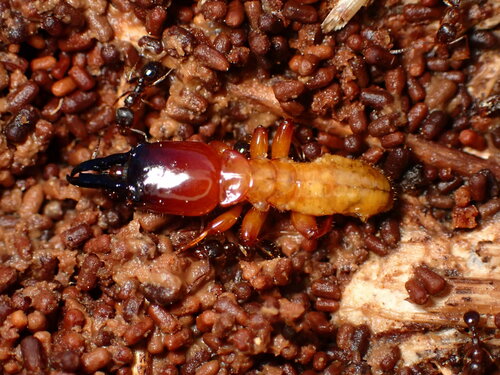
Close Relative (c) Cricket Raspet, some rights reserved (CC BY), uploaded by Cricket Raspet · cc-by
Help improve the field guideSomething wrong?
Checking your Fauna account…Report a name, category, or profile issue for review.