
Insect · GBIF taxon 2005130
Common Stone
Acroneuria abnormisAlso known as Common Stonefly, Golden Stonefly
Common stones spend up to three years as flattened aquatic nymphs prowling beneath river cobbles, breathing through tufted gills located at the base of their legs. In early summer, mature nymphs crawl up emergent boulders or streamside vegetation under cover of darkness to molt into clumsy, broad-winged adults. Because their aquatic young require cool, saturated oxygen levels and pristine gravel substrates, their presence serves as an immediate gold standard of river health.
AquaticBioindicatorNocturnal
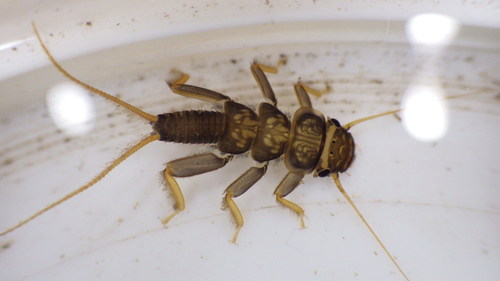
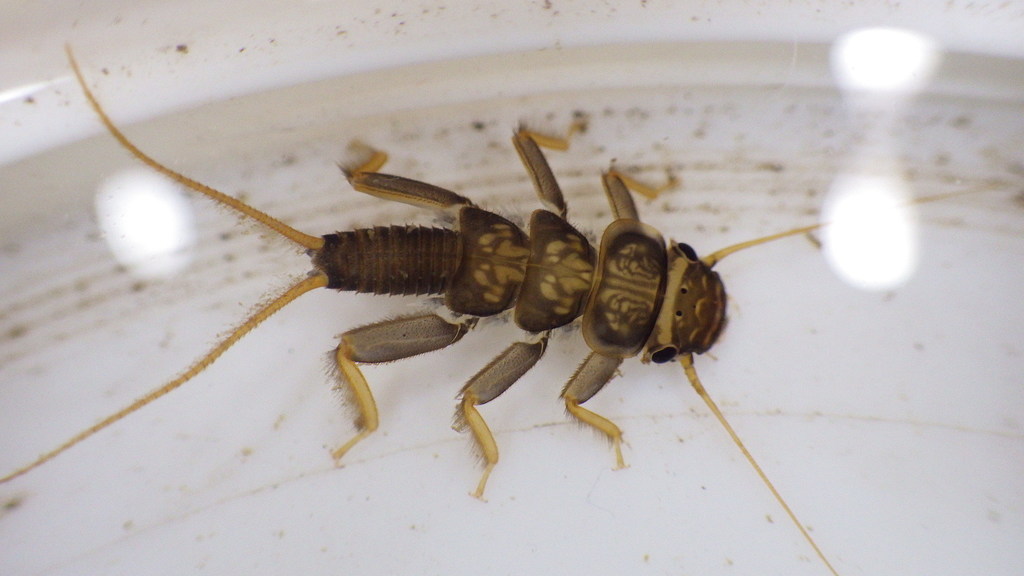
—observations
—countries
—peak records
Not EvaluatedConservation statusIUCN Red List categoriesLCNTVUENCREWEXNot Evaluated — not placed on the risk ladderRed List categories, explained →
Diet & prey
- Mayfly Nymphs
- Midge Larvae
- Blackfly Larvae
Predators
- Brook Trout
- American Dipper
- Big Brown Bat
ThreatsAgricultural runoff, sedimentation, thermal pollution, and stream acidification
HabitatsFast-flowing, well-oxygenated rocky streams and rivers
Life span2–3 years (majority spent as nymphs; adults live 1–2 weeks)
Size / weightNot available
Classification
- OrderPlecoptera
- FamilyPerlidae
- GenusAcroneuria
- SpeciesAcroneuria abnormis
Range data is not available yet.
Interaction riskLow
- Low
- Moderate
- High
- Very high
- Why interaction risk is low
- Safe to observe at a normal distance.
Responsible observation
- Stream Search: Gently lift submerged cobbles in swift river riffles to inspect for crawling, predatory nymphs before replacing rocks carefully.
- Night Observation: Check illuminated bridge railings and riverside light posts during early summer emergence peaks.
- Gentle Inspection: Allow winged adults to crawl onto a flat hand, avoiding pressure on their soft bodies and delicate wing veins.
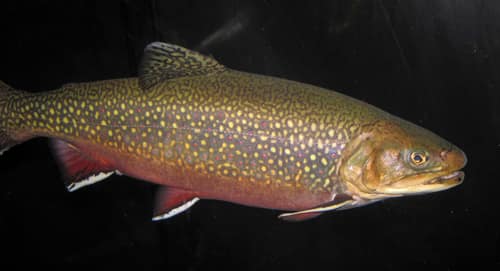
Predator (c) James St. John, some rights reserved (CC BY) · cc-by Image unavailable
Prey Close Relative Same Family
Help improve the field guideSomething wrong?
Checking your Fauna account…Report a name, category, or profile issue for review.