
Insect · GBIF taxon 2000447
Florida Woods Cockroach
Eurycotis floridanaAlso known as Florida Skunk Roach, Skunk Cockroach, Florida Stinkroach, Stinking Cockroach
Florida woods cockroaches are large, flightless native insects that play a vital ecological role breaking down fallen timber and leaf litter across the Southeastern United States. Adults feature glossy dark reddish-brown to black bodies with short vestigial wing pads that never develop into functional wings. When alarmed, they release a potent directional chemical spray from abdominal glands that deters predators and gives them their famous skunk roach nickname.
NativeFlightlessDefensive
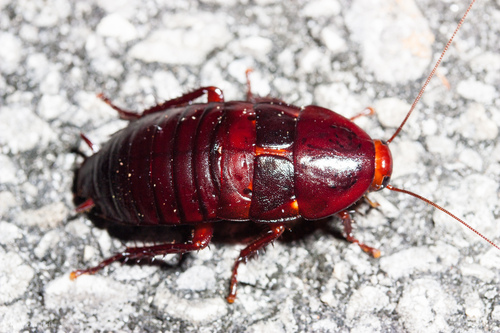
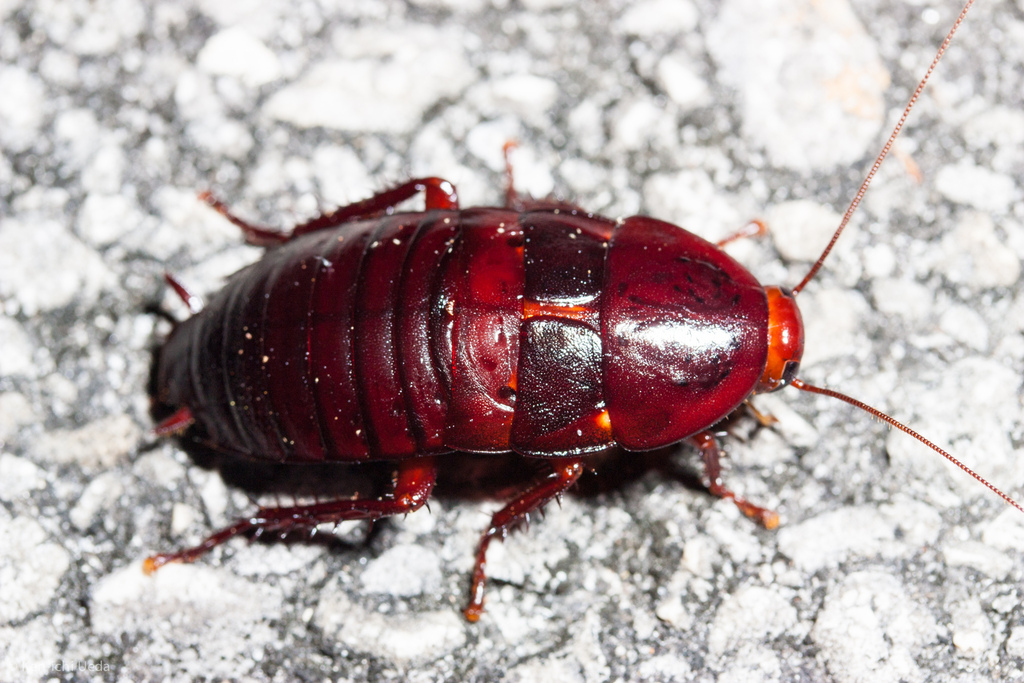 1 / 7
1 / 7—observations
—countries
—peak records
Not EvaluatedConservation statusIUCN Red List categoriesLCNTVUENCREWEXNot Evaluated — not placed on the risk ladderRed List categories, explained →
Diet & prey
- Decaying leaf litter
- Rotting wood
- Fungi
Predators
- Toads
- Lizards
- Birds
ThreatsHabitat loss, widespread pesticide usage
HabitatsSubtropical forests, palmetto scrub, woodpiles, moist leaf litter
Life span1–2 years
Classification
- FamilyBlattidae
- SpeciesEurycotis floridana
Range data is not available yet.
Interaction riskLow
- Low
- Moderate
- High
- Very high
- Why interaction risk is low
- Sprays a foul chemical that irritates eyes and skin; observe without handling or startling.
- Why it is dangerous
- Ejects a defensive chemical spray containing trans-2-hexenal that causes painful eye irritation and skin stinging.
- How to recognize a risky encounter
- Look for a large, broad, dark reddish-brown to black flightless body with short vestigial wing pads.
- What to do
- Do not pick up or corner this insect, and keep your face at a safe distance during observation.
Responsible observation
- Observe from a distance: Avoid poking or cornering them to prevent triggering their pungent chemical spray.
- Check damp timber: Look beneath rotting logs, loose tree bark, and outdoor woodpiles in shaded areas.
- Do not panic: These native insects prefer humid outdoor habitats and rarely establish indoor infestations.
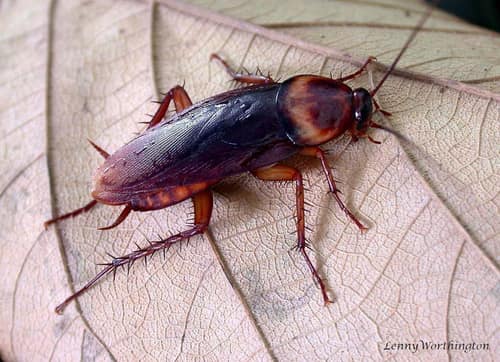
Close Relative (c) Len Worthington, some rights reserved (CC BY-SA) · cc-by-sa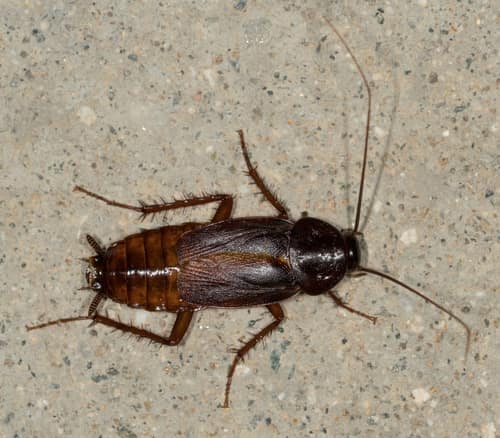
Close Relative no rights reserved, uploaded by Jesse Rorabaugh · cc0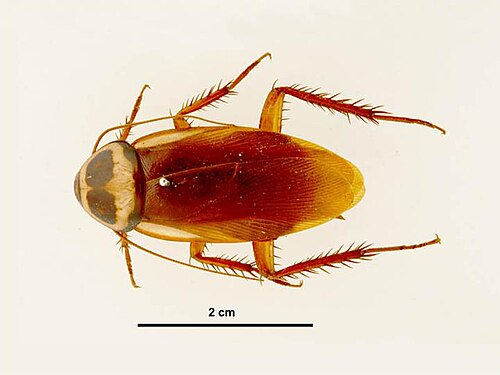
Close Relative Lucinda Gibson & Ken Walker / CC BY 3.0 au · cc-by
Help improve the field guideSomething wrong?
Checking your Fauna account…Report a name, category, or profile issue for review.