
Insect
Tawny Cockroach
Ectobius pallidusAlso known as Pale Wood Cockroach
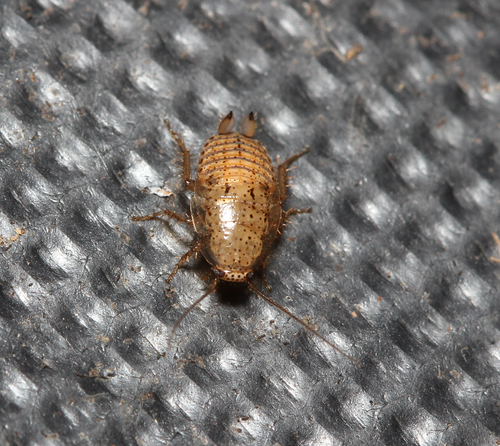
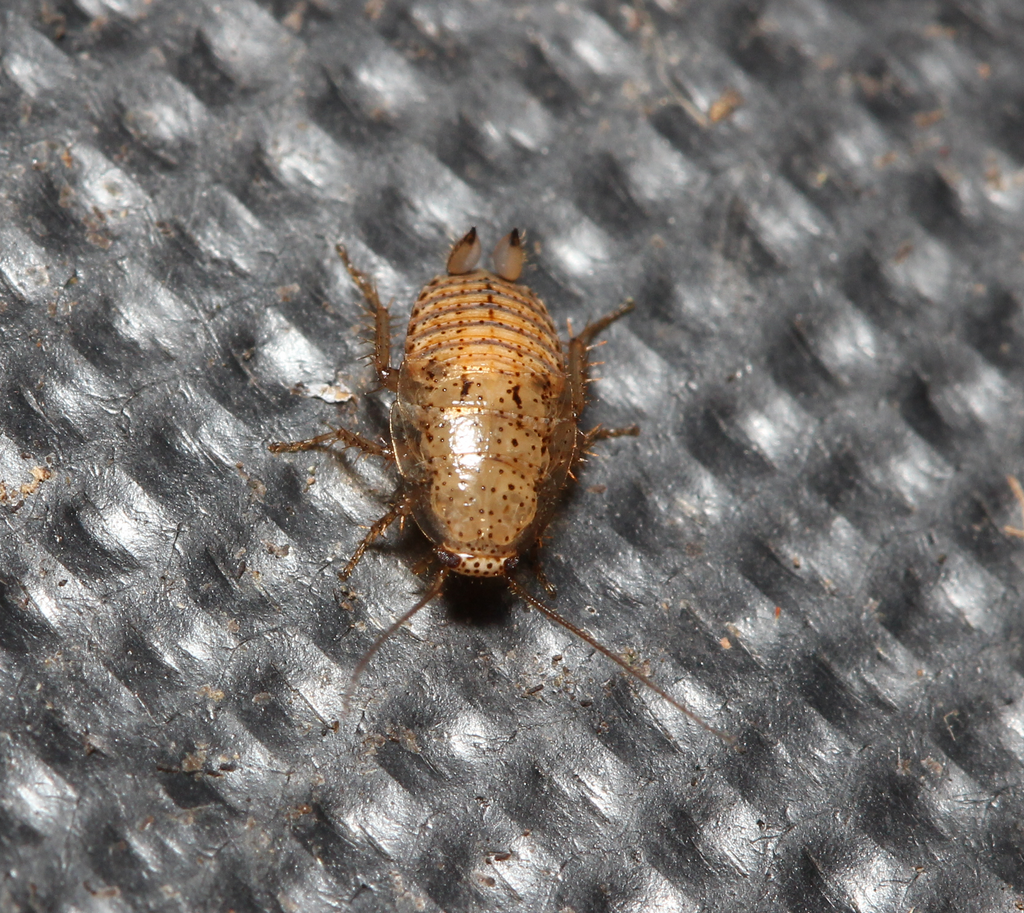
Tawny cockroaches spend their days foraging among leaf litter, low scrub, and woodland undergrowth, serving as vital decomposers of fallen organic matter. Both males and females possess functional wings and fly readily toward evening porch lights during warm summer nights. Unlike notorious domestic pests, these wild wood roaches cannot survive in dry indoor conditions and do not reproduce inside human dwellings.
NocturnalWoodlandDecomposer
—observations
—countries
—peak records
Not EvaluatedConservation statusIUCN Red List categoriesLCNTVUENCREWEXNot Evaluated — not placed on the risk ladderRed List categories, explained →
Diet & preyFallen leaves, Decaying organic matter, Lichen
Predators
- Songbirds
- Jumping spiders
- Ground beetles
ThreatsIndiscriminate outdoor insecticide spraying and excessive leaf litter removal
HabitatsDeciduous woodlands, heathland, gardens, and scrubby clearings
Life span1–2 years
Classification
- OrderBlattodea
- FamilyEctobiidae
- GenusEctobius
- SpeciesEctobius pallidus
Range data is not available yet.
Interaction riskLow
- Low
- Moderate
- High
- Very high
- Why interaction risk is low
- Harmless outdoor inhabitant that cannot survive indoors or transmit pathogens.
Responsible observation
- Relocation: Gently scoop stray individuals entering homes and release them outside in garden mulch.
- Night Observation: Search low foliage and tree trunks using a dim red headlamp on warm summer evenings.
- Identification: Check the pronotum for uniform pale tawny coloration lacking two dark parallel stripes.
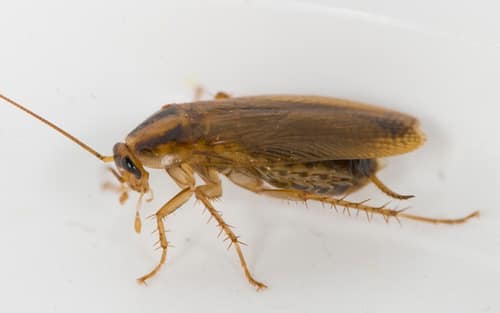
Look-alike (c) D. Sikes, some rights reserved (CC BY-SA) · cc-by-sa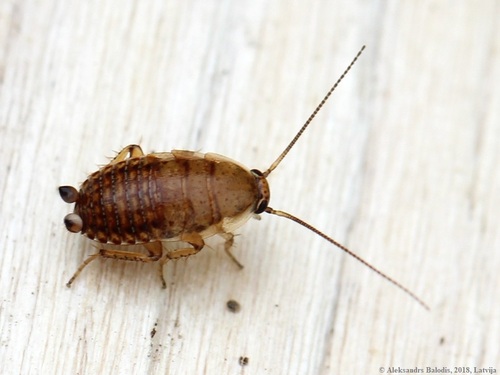
Close Relative (c) AfroBrazilian, some rights reserved (CC BY-SA) · cc-by-sa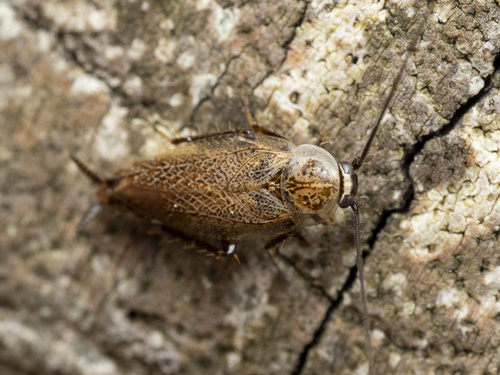
Close Relative (c) Rupert Lees, some rights reserved (CC BY), uploaded by Rupert Lees · cc-by
Help improve the field guideSomething wrong?
Checking your Fauna account…Report a name, category, or profile issue for review.